janet
janetSolutions for urban agriculture are proven methods and technologies that address the unique challenges of growing food in city environments, from maximizing limited space to managing poor soil quality and restricted water access. These approaches range from vertical farming systems and rooftop gardens to community-led soil remediation programs and innovative irrigation techniques that make productive food cultivation possible even in the densest metropolitan areas.
Cities face a fundamental paradox. While urban populations continue to grow and food security becomes increasingly urgent, the space available for traditional agriculture shrinks. Urban agriculture solutions transform this challenge into opportunity by reimagining how, where, and what we grow. Vacant lots become thriving community gardens. Building rooftops evolve into productive farms. Even windowsills and balconies contribute to local food systems.
What makes these solutions particularly powerful in 2026 is their accessibility. You don’t need a degree in horticulture or a large budget to participate. A neighborhood group can convert an abandoned corner lot using low-cost raised bed systems. An apartment dweller can grow substantial produce using container gardening techniques. A school can teach students about food systems through a simple vertical garden installation.
This article breaks down the most effective urban agriculture solutions by the specific problems they solve. You’ll discover which approaches work best for your situation, whether you’re dealing with contaminated soil, limited square footage, or challenging climate conditions. We’ll examine how these solutions function, explore different categories based on your constraints, and share real examples from urban farming projects that started small and grew into neighborhood cornerstones. The goal is simple: help you identify the right solution to start growing food where you live.
What Urban Agriculture Solutions Mean for City Food Systems
Urban agriculture solutions are the practical tools, methods, and approaches that transform challenging city environments into productive growing spaces. They range from low-tech techniques like container gardening and composting to sophisticated systems like vertical farms and rainwater harvesting setups. What makes them “solutions” isn’t just the technology or practice itself, but how they specifically overcome the obstacles that make urban food production difficult: limited square footage, contaminated soil, scarce water resources, short growing seasons, and the economic realities of operating in expensive city landscapes.
These solutions matter because they directly address food security, environmental health, and community resilience in cities. A rooftop garden doesn’t just produce tomatoes; it captures stormwater, reduces urban heat island effect, and creates gathering space for neighbors. A community composting program doesn’t only build healthy soil; it diverts organic waste from landfills, reduces methane emissions, and teaches skills that spread through neighborhoods. Each solution serves multiple purposes, which is critical when working within the tight resource constraints typical of urban settings.
In 2026, cities face mounting pressure to become more self-sufficient and sustainable. Climate change brings unpredictable weather that strains regional food supplies. Supply chain disruptions remind us how vulnerable centralized food systems can be. Rising food costs hit urban residents especially hard. Urban agriculture solutions answer these challenges by decentralizing food production, shortening supply chains, and putting growing power directly into community hands.
What distinguishes effective solutions is their adaptability to real urban conditions. A vertical growing system that works beautifully in a climate-controlled warehouse needs different design when installed on a windy rooftop in Boston. Soil remediation strategies must be affordable enough for community gardens operating on shoestring budgets. The best solutions scale from a single apartment balcony to a neighborhood-wide network, meeting people where they are with resources they can actually access.
How Urban Agriculture Solutions Work in Practice
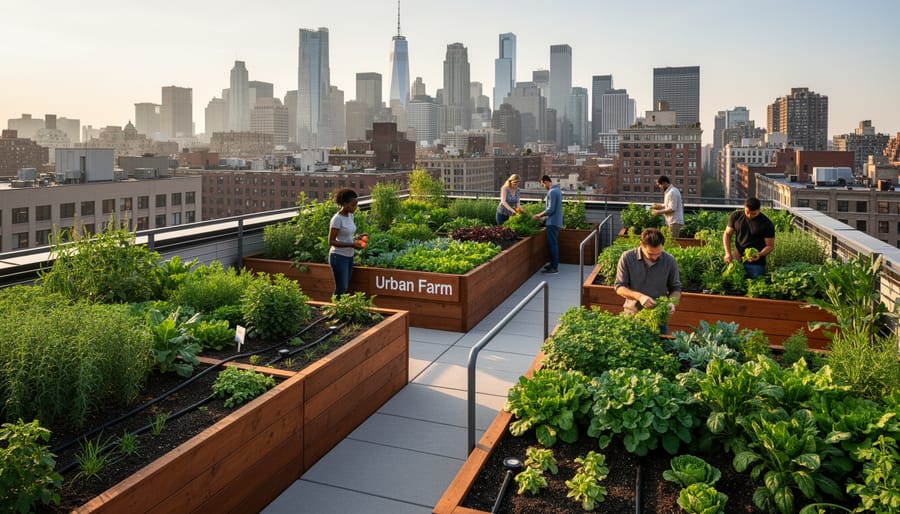
Urban agriculture solutions function by transforming city constraints into design opportunities through strategic adaptation and integration. Rather than fighting against urban limitations, effective solutions work with the built environment, reimagining rooftops as farmland, walls as planting surfaces, and tight spaces as opportunities for vertical growth.
The mechanics start with assessment. Before implementing any solution, successful urban farmers evaluate their specific challenges: how much sunlight reaches their space, what existing infrastructure they can leverage, and which resources are already available nearby. A solution that works brilliantly on a sunny fifth-floor balcony may fail in a shaded courtyard, so matching approach to conditions drives success.
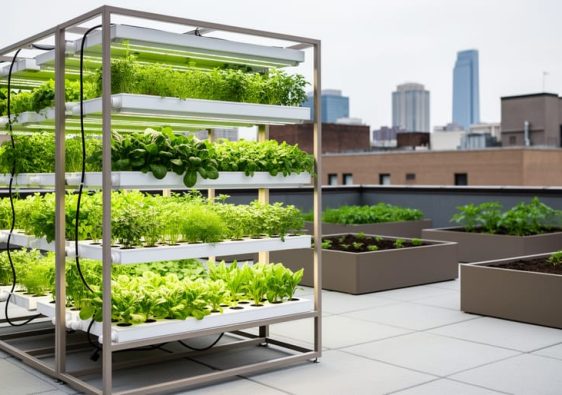
Space-maximizing solutions overcome limited horizontal area by building upward or intensifying production within small footprints. Vertical systems use gravity-fed irrigation and stacked layers to multiply growing area without expanding ground-level space. Container gardens mobilize planting zones, allowing gardeners to chase sunlight across a terrace or relocate sensitive plants during extreme weather. These methods integrate seamlessly with urban infrastructure, mounting on fence lines, filling unused corners, or transforming fire escapes into productive zones.
Soil quality solutions bypass contamination risks and poor native soil through controlled growing environments. Raised beds filled with purchased, tested soil create safe root zones elevated above questionable ground. Composting systems turn kitchen scraps and yard waste into rich amendments, closing nutrient loops right where food grows. The key is creating isolated, known-quality soil ecosystems that urban gardeners fully control.
Water management solutions capture, conserve, and redistribute this precious resource efficiently. Rain barrels collect runoff from roofs, converting storm drainage into irrigation supply. Drip systems and soaker hoses deliver water directly to root zones, eliminating waste from evaporation and overspray. Mulch layers lock moisture into soil while suppressing weeds that compete for water.
Season extension solutions manipulate microclimates to stretch growing windows beyond natural limits. Simple plastic covers trap heat around plants, adding weeks to both spring and fall seasons. South-facing walls radiate stored warmth, creating protected zones where tender crops survive earlier frosts.
The most effective urban agriculture solutions layer multiple strategies together, creating resilient systems where each element supports the others while engaging community members in hands-on participation that builds collective knowledge.
Core Categories of Urban Agriculture Solutions
Space-Maximizing Growing Methods
Urban farmers have developed ingenious methods to grow substantial amounts of food on surprisingly small footprints, turning vertical surfaces and overlooked spaces into productive gardens. These space-maximizing approaches don’t just fit more plants into tighter areas, they often improve growing conditions and yields compared to traditional ground-level methods.
Vertical Farming Systems
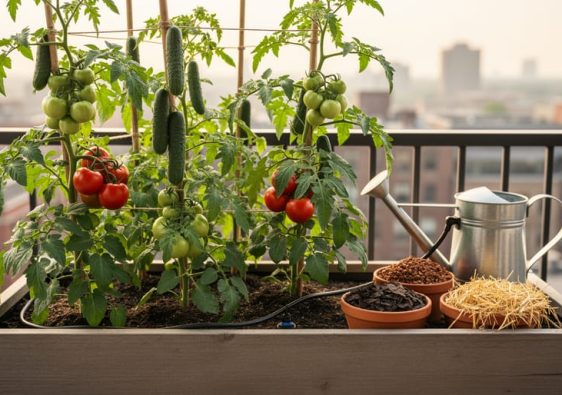
Growing upward instead of outward multiplies your productive area without expanding your lot. Trellises, wall-mounted planters, and stacked growing towers let you cultivate vining crops like tomatoes, cucumbers, and pole beans while keeping your ground space available for other plants. Research shows that vertical farming yields more per square foot than conventional methods, making it particularly valuable in city lots. Boston’s Somerville Growing Center transformed a narrow side yard into a thriving vertical garden producing over 200 pounds of tomatoes and peppers annually using simple wire cages and wooden ladder trellises.
Rooftop Gardens
City buildings offer thousands of square feet of unused growing space above our heads. Rooftop gardens take advantage of excellent sun exposure and turn structural dead space into productive acreage. They require careful attention to weight limits and waterproofing, but lighter growing media and container systems make them accessible. The Boston Medical Center’s rooftop farm demonstrates this perfectly, growing 7,000 pounds of produce yearly on what was previously just tar and gravel.
- Vertical systems: wall planters, trellises, and stacked towers that grow upward to maximize square footage
- Rooftop gardens: converting unused roof space into productive growing areas with proper waterproofing and lightweight containers
- Container growing: portable pots and boxes that work on balconies, patios, and small yards without ground space requirements
- Intensive raised beds: densely planted boxes using square-foot gardening techniques to triple output per square foot
Container Growing and Raised Beds
Containers offer ultimate flexibility for renters and those with no ground access. Five-gallon buckets, fabric grow bags, and decorative pots turn balconies and patios into mini-farms. Meanwhile, raised beds concentrate your efforts and inputs into defined areas where you can control soil quality completely. Square-foot gardening techniques within raised beds let you plant much more densely than row gardening, fitting sixteen plants where traditional spacing might allow four.
Soil Health and Remediation Solutions
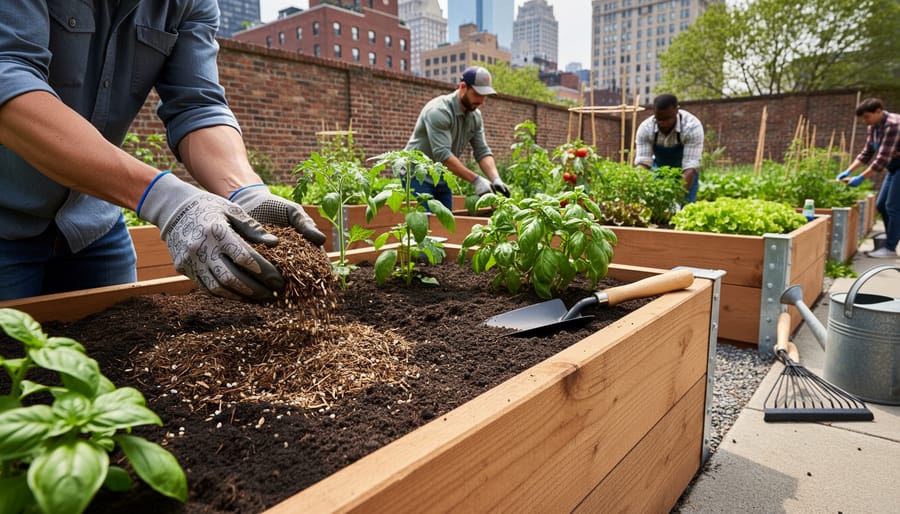
Urban soil often carries decades of contaminants, lead paint residue, industrial pollutants, compacted clay, that make direct planting risky or unproductive. The first step in any urban garden is soil testing through your local extension service or a certified lab, which reveals lead levels, pH, nutrient deficiencies, and organic matter content. Once you know what you’re working with, you can choose the right remediation approach rather than guessing. For heavily contaminated sites, raised beds filled with clean, imported topsoil and compost create an immediate growing solution that bypasses problem soil entirely. Build them at least 12 inches deep, line the bottom with landscape fabric to prevent root penetration into contaminated ground, and fill with a tested soil blend, many community gardens in Boston have adopted this model successfully.
Composting transforms kitchen scraps and yard waste into nutrient-rich amendments that improve any soil’s structure, water retention, and microbial life. A simple three-bin system or tumbler works well in compact urban yards, and applying finished compost as a top layer adds organic matter without disturbing contaminated soil below. Mulching with wood chips or straw further protects against direct contact while conserving moisture. For moderately contaminated soil, adding compost and maintaining a pH above 6.5 reduces lead bioavailability, though leafy greens still absorb more than fruiting crops, focus on tomatoes, beans, and squash in questionable areas.
Phytoremediation plants like sunflowers and certain grasses can pull contaminants from soil over multiple growing seasons, though this remains a long-term strategy best combined with other methods. Understanding quality control basics helps you track progress as amendments take effect. The state’s guidance on gardening in urban soil offers region-specific testing and safety thresholds. Healthy urban soil is built, not found, consistent testing, thoughtful amendments, and protective barriers make productive, safe gardens possible even on challenging sites.
Water Management and Conservation Strategies
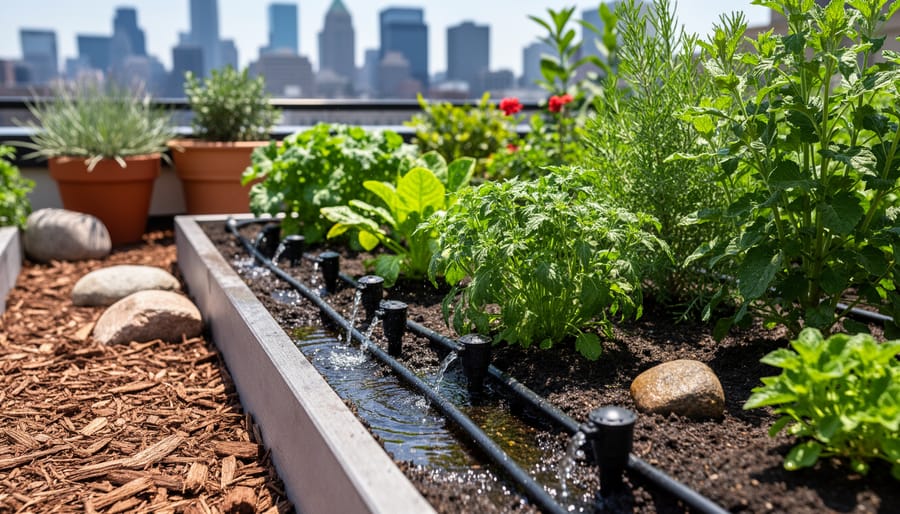
Urban water costs and environmental concerns make efficient irrigation a priority for city growers. Smart water management solutions let you maintain thriving plants while cutting consumption by 30-50% compared to conventional overhead watering.
Rainwater harvesting offers the most sustainable approach. A simple rain barrel connected to your downspout captures hundreds of gallons per season, free, chlorine-free water that plants prefer. Boston’s 43 inches of annual rainfall means a 1,000-square-foot roof can collect over 26,000 gallons yearly. Install overflow diversion and use harvested water for container gardens, raised beds, or to supplement municipal supplies during dry spells.
Drip irrigation delivers water directly to root zones, eliminating the 40% evaporation loss from sprinklers. These systems work perfectly in raised beds and container setups, using gravity-fed reservoirs or low-pressure connections. Set timers to water during cooler morning hours when plants absorb moisture most efficiently.
Mulching creates a protective layer that slows evaporation, regulates soil temperature, and suppresses weeds that compete for moisture. Apply 2-3 inches of organic mulch, shredded leaves, straw, or wood chips, around plants, keeping it an inch from stems to prevent rot. Mulched beds need roughly half the water of bare soil.
Choose crops suited to your water budget. Leafy greens, herbs, and root vegetables tolerate drier conditions better than water-hungry tomatoes or squash. Group plants with similar needs together so you’re not overwatering drought-tolerant crops to satisfy thirsty neighbors.
Season Extension and Climate Control
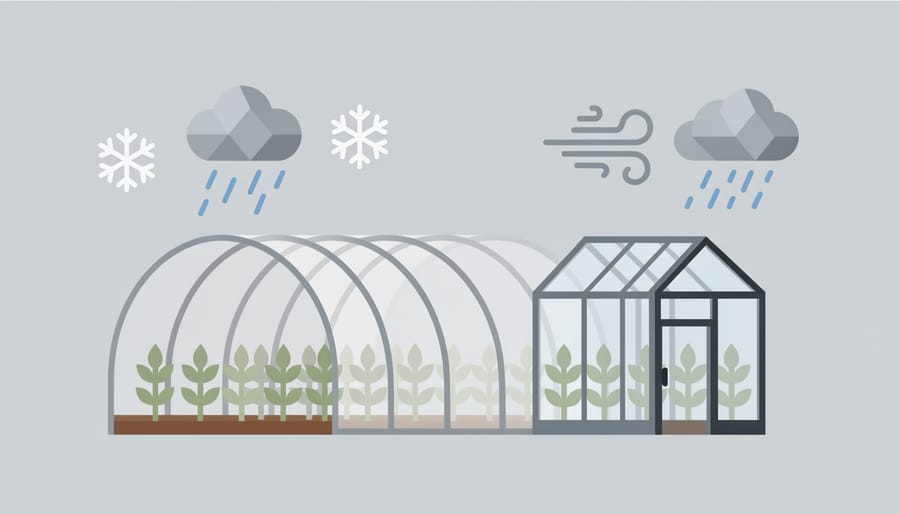
Boston’s short growing season doesn’t have to limit your harvest. Simple structures and strategic techniques let you start earlier in spring, protect crops from fall frosts, and even grow fresh greens through winter.
Cold frames, essentially bottomless boxes with transparent lids, trap solar heat against the ground, warming soil and protecting seedlings from harsh winds. You can build one from reclaimed windows and scrap lumber for under $50, positioning it against a south-facing wall for maximum warmth. They’re perfect for hardening off seedlings in April or keeping lettuce and kale producing into December.
Row covers made from lightweight fabric shield plants from frost while allowing light and water through. Drape them directly over crops or support them with wire hoops. They’ll protect tomatoes from unexpected late-May cold snaps and extend your harvest of broccoli and Swiss chard well into November.
Hoop houses, plastic-covered tunnel structures, create walk-in growing spaces that moderate temperature swings without electricity. A 10×20-foot hoop house costs around $400-600 in materials and can produce salad greens, radishes, and Asian vegetables throughout winter. Many Boston community gardens now include shared hoop houses for members.
For year-round production, insulated greenhouses with supplemental heat represent a bigger investment ($2,000-5,000 for a modest backyard model) but enable reliable winter harvests. You’ll find more season extension tips and approaches suited to different budgets and goals, from simple microclimates created by stone walls and water barrels to automated systems with climate sensors.
Community and Economic Models
Urban agriculture only thrives when it solves real economic and social challenges, not just technical ones. The most successful city farming projects create structures that share resources, distribute costs fairly, and build genuine community ownership.
Community garden plots with membership fees spread infrastructure costs across dozens of gardeners. Members pay annual fees ($25-75 in most Boston neighborhoods) that cover water, tools, fencing, and soil amendments, making quality growing space affordable when individual setup would cost hundreds. Well-run community gardens establish clear plot assignments, shared maintenance schedules, and harvest-sharing norms that prevent conflicts before they start.
Cooperative ownership models take this further. Urban farming cooperatives pool labor, equipment, and expertise while sharing both expenses and profits. Worker-owned farm cooperatives in cities like Detroit and Oakland demonstrate how growers can achieve living wages through collective marketing and direct sales, rather than competing individually at slim margins.
Community Supported Agriculture (CSA) programs solve the cash-flow problem that kills most urban farms: members pay upfront for a season’s worth of weekly produce shares, providing working capital when seeds go in the ground rather than months later at harvest. This model builds loyal customer bases who understand seasonal availability and weather challenges, subscribers become invested stakeholders, not transactional buyers.
Partnerships with restaurants, schools, and hospitals create stable institutional buyers willing to pay fair prices for hyper-local produce. Boston urban farms supply cafeterias within blocks of their growing sites, eliminating transportation costs while providing institutions with fresh food and a compelling sustainability story.
These economic structures aren’t afterthoughts, they’re what make urban agriculture sustainable as both a livelihood and a community resource.
Where Urban Agriculture Solutions Make the Biggest Impact
Urban agriculture solutions adapt to remarkably diverse settings, each with unique constraints and opportunities. Understanding where these approaches work best helps you identify which strategies fit your own context and goals.
- Intensive Planting
- A space-efficient technique that places crops closer together than traditional spacing, maximizing yield per square foot while suppressing weeds and conserving moisture.
- Season Extension
- Methods like cold frames and row covers that protect plants from frost and cold temperatures, allowing harvests weeks or months beyond the typical growing season.
- Phytoremediation
- The use of plants to absorb and break down soil contaminants, gradually cleaning urban soils while avoiding direct contact between contaminated earth and food crops.
- Biodiverse Landscapes
- Growing environments that support multiple plant species, beneficial insects, and pollinators, creating resilient ecosystems rather than monoculture plantings.
Residential spaces, from tiny balconies to quarter-acre yards, anchor the urban agriculture movement. Container gardens on fire escapes produce fresh herbs and salad greens for individual households. Backyards host raised beds with season-extending cold frames, rainwater barrels, and intensive vertical plantings that transform lawn into productive space. These home-scale solutions prioritize food security, cost savings, and the satisfaction of growing your own meals.
Community gardens multiply impact by concentrating resources and knowledge. Shared tool sheds, compost systems, and water infrastructure reduce individual investment while creating gathering spaces for neighbors to exchange techniques. When you join a community garden you gain access to tested solutions for your neighborhood’s specific soil and climate challenges.
Schoolyards convert asphalt corners into outdoor classrooms where students learn biology through hands-on composting and planting. These educational gardens often feature accessible raised beds, demonstration rain gardens, and seasonal crop rotations that align with the academic calendar.
Vacant lots become neighborhood assets when community organizations implement soil remediation, water access, and shared governance models. Commercial urban farms operate at larger scale on these sites, using intensive production methods, season extension infrastructure, and distribution partnerships to supply restaurants and farmers markets. Institutional campuses, hospitals, universities, corporate headquarters, integrate rooftop farms, pollinator gardens, and productive landscapes that feed cafeterias while managing stormwater and reducing building temperatures.
Real Stories: Solutions in Action
The Dudley Greenhouse at Dorchester’s Food Project transformed a half-acre of contaminated industrial land into one of Boston’s most productive urban farms. When the project team tested the soil in 2020, they found elevated lead levels that made direct ground planting impossible. Rather than abandon the site, they built raised beds using locally-sourced lumber and filled them with a custom compost blend from the city’s organics program mixed with purchased topsoil. They installed a 5,000-gallon rainwater harvesting system connected to their greenhouse, which now irrigates 80% of their crops during growing season. The farm grows over 15,000 pounds of organic produce annually, distributed through a sliding-scale CSA that serves 120 families. More than 40 teenagers work there each summer, learning everything from seed starting to urban farm quality control building skills that several have turned into green industry careers.
In Cambridge’s Port neighborhood, the Maple Avenue Community Garden turned a trash-filled vacant lot into a thriving 35-plot garden serving primarily immigrant families. The biggest challenge wasn’t space, it was water. The nearest hydrant sat 200 feet away, and dragging hoses across sidewalks proved unsustainable. A local engineering firm donated design work for a rain barrel network that now captures runoff from an adjacent warehouse roof. Six interconnected 55-gallon barrels gravity-feed to each garden section through drip lines, cutting municipal water use by 75%. The garden became such a community anchor that the city converted the temporary permit to permanent parkland status in 2024.
At the Fenway Victory Gardens, America’s oldest continuously-operating community gardens, plot holders tackled Boston’s short season with low-cost hoop houses. Using PVC pipe and greenhouse plastic costing under $150 per structure, gardeners now harvest greens through December and start transplants in March, extending the season by eight weeks on both ends. The gardens host quarterly workshops where experienced growers share construction techniques and crop timing strategies, creating a knowledge-sharing culture that’s reduced the learning curve for newcomers from years to months.
Common Questions About Urban Agriculture Solutions
Starting urban agriculture can feel overwhelming with so many solutions available, but understanding the basics helps you make confident choices. Here are answers to the questions we hear most often from people looking to begin their urban farming journey.
How much does it cost to get started with urban agriculture?
You can start for under $50 with container gardening using repurposed materials, seeds, and basic potting mix. More advanced solutions like drip irrigation or greenhouse structures require larger investments ($200-2000+), but you can add them gradually as your garden grows.
How much time do I need to commit each week?
A small container garden or raised bed requires 30-60 minutes weekly for watering, weeding, and harvesting during the growing season. Larger projects or season-extension systems need 2-4 hours weekly, though efficient solutions like drip irrigation significantly reduce daily tasks.
Can I succeed without prior gardening experience?
Absolutely. Start with beginner-friendly solutions like container growing with easy crops (lettuce, herbs, cherry tomatoes), and build skills gradually. Community gardens offer mentorship, and many organizations provide workshops specifically designed for first-time urban farmers.
Which solution should I try first?
Match your first project to your available space and time. Balcony dwellers succeed with container gardens, while those with yard access often start with one or two raised beds. Choose a single solution, learn it well, then expand to others that keep your garden thriving year-round.
The learning curve isn’t as steep as you might think. Most urban farmers see their first harvests within 60-90 days of planting, which provides immediate feedback and motivation. Mistakes happen, but each growing season builds your knowledge about what works in your specific microclimate and space. Many successful urban farmers started with a single pot of herbs on a windowsill and expanded from there, proving that small beginnings lead to meaningful results.
The path to productive urban farming starts with a single step, not a complete transformation. You don’t need acreage, a degree in horticulture, or significant financial investment to make a meaningful contribution to your neighborhood’s food system. Whether you’re growing herbs in containers on a sunny balcony, joining a community garden work day, or converting a patch of lawn into a raised bed vegetable garden, you’re participating in a movement that’s reshaping how cities feed themselves.
These solutions work because they’re adaptable to real urban life. The container garden that fits your fire escape, the compost bin that turns your kitchen scraps into soil amendments, the rain barrel that cuts your water bill while nourishing your plants, each represents a practical response to city constraints that delivers tangible benefits. When neighbors share what they’ve learned, when community gardens become gathering spaces, when vacant lots bloom with purpose, the impact multiplies beyond the pounds of produce harvested.
Urban Garden Boston offers workshops, consultations, and ongoing support designed to meet you wherever you are in your growing journey. We’ve helped hundreds of Boston residents and organizations discover which solutions fit their unique situations, from first-time gardeners testing the waters to established communities expanding their reach.
Together, we’re proving that cities can be places of abundance, not just consumption. Every balcony garden, every shared harvest, every child who tastes a tomato they helped grow contributes to neighborhoods that are greener, more connected, and more resilient. The solutions exist. The community is here. Your growing space, whatever its size, is waiting.