Showing: 1 - 10 of 10 RESULTS
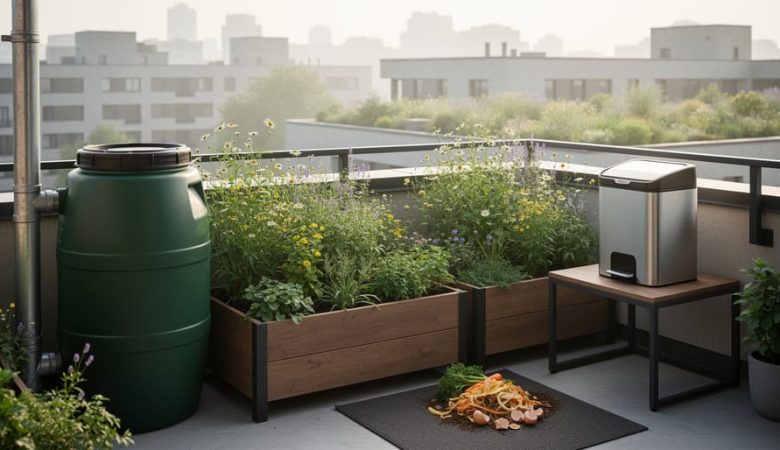
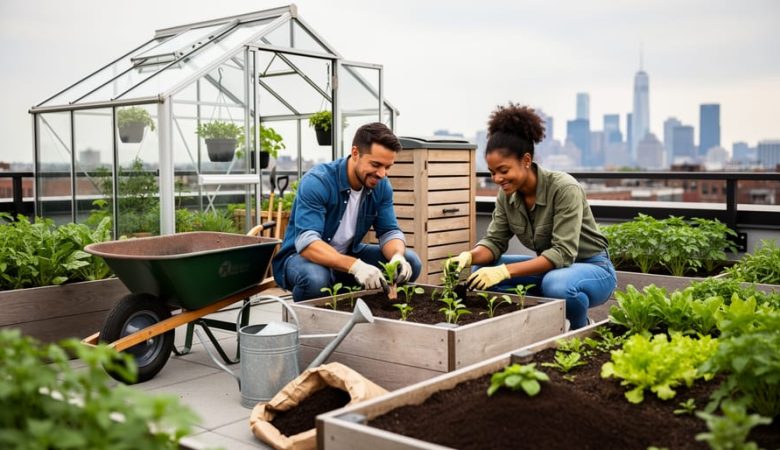
Urban rooftop permaculture garden with raised vegetable beds, trellised plants, shaded greens, and a small pond connected to rainwater collection.
Boston Urban Agriculture Urban Farming Blog

Why Permaculture Farming Is Thriving in Cities Right Now

Permaculture farming works by designing agricultural systems that mimic natural ecosystems, creating self-sustaining gardens and farms that require less water, eliminate chemical inputs, and actually improve soil health over time. The core method arranges plants, water sources, and structures in patterns that allow each element to support the others, turning typical gardening problems into solutions. A nitrogen-fixing tree shades heat-sensitive vegetables while enriching the soil. Rainwater flows from rooftops through vegetable beds before reaching a small pond that moderates temperatures and attracts beneficial insects.
This …

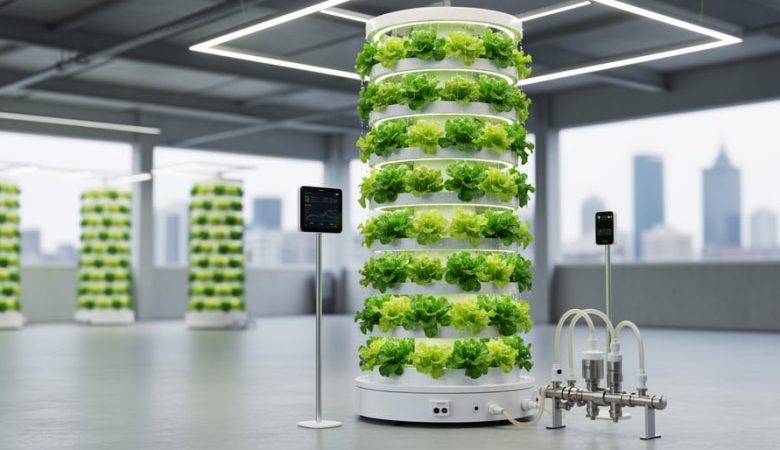
Hydroponic racks with fresh leafy greens in a modern urban farm located on a city lot with blurred buildings in the background.
Boston Urban Agriculture Property Management Urban Farming Blog

What Is a New Urban Farm (and How Does Quality Control Work)?

A new urban farm is a commercially or community-operated agricultural space located within city limits that produces food, herbs, or flowers using intensive growing methods designed for limited space and urban conditions. Unlike backyard gardens or community plots where individuals tend their own patches, these farms function as organized enterprises with coordinated production goals, often serving local markets, restaurants, or neighborhood residents.
Urban farms are reshaping how cities think about food production and land use in 2026. What once seemed impossible, growing meaningful quantities of produce within dense metropolitan …

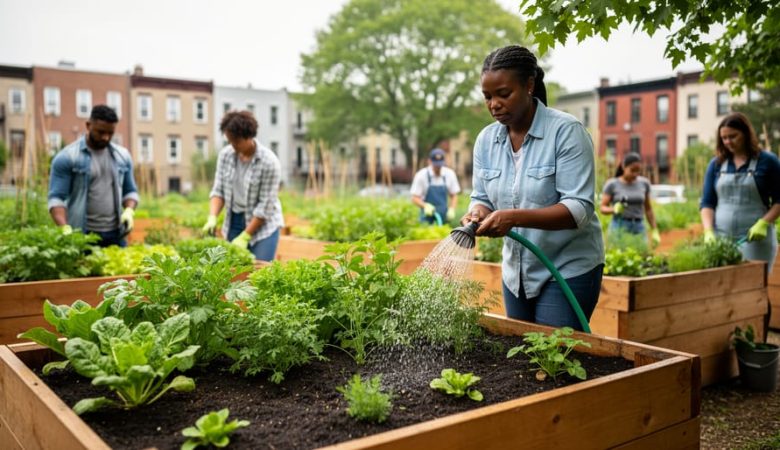
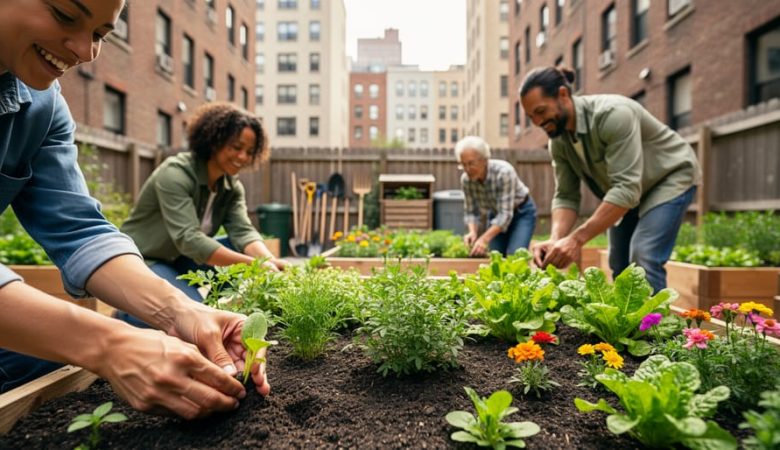
“Seedlings growing in raised and in-ground beds with rich soil in an urban community garden setting.”
Boston Urban Agriculture Urban Farming Blog

Why Urban Farmers Are Turning to Arable Farming Methods in 2026

Arable farming transforms bare land into productive cropland, and this ancient practice is finding new relevance in cities across America in 2026. Picture vast fields of wheat, corn, or soybeans stretching to the horizon. That’s traditional arable farming. But here’s what makes it matter to you: the principles that work on thousand-acre farms can reshape how we grow food in urban spaces.
This spring, farmers in the Midwest faced their most challenging planting season in a decade, drawing national attention to soil health and sustainable growing methods. These conversations aren’t just for rural communities anymore…

man using a mower in a garden
Urban Farming Blog

Face Off – Brushed Vs. Brushless Lawn Mower

Lawn maintenance is one aspect of homekeeping that you can’t put off. And it starts with knowing what side of the brushed vs brushless lawn mower debate you should be on. But first, you must understand the distinction between these motor types. After all, electric mowers gain traction for their environmental benefits and operational advantages. We know it could be a hassle figuring it out alone. That’s why this article delves into the nuances of brushed and brushless lawn mowers. We’ll also provide insights to help you decide on your lawn or …

Urban Farming Blog

Building a Green Community

Other people have taken notice of the work being done in Boston to combat climate change. Not only have we taken notice of it, but so have others. Following the city’s energy efficiency efforts, the Hub was ranked #1 out of 75 communities back in 2019.
This is the third year in a row that the city has earned this recognition for its efforts to save electricity and other natural resources. Along with winning many prizes and accolades, the city has received numerous additional accolades and awards.
Announcing their commitment to a carbon emissions reduction plan aimed at reducing energy consumption and emissions, the …

Urban Farming Blog

How to Master Urban Gardening

One of the oldest complaints of city dwellers is this: “I would love to produce my own food organically, but I don’t have the room!”
Urban gardening is popular among city residents, but Primary houses provide a lifestyle that is appropriate for modern living and is ideal for urban gardening as well.
What is urban farming, and how does it differ from other types of gardening? At its core, it is a method of growing plants and crops that conform to a limited or …

Urban Farming Blog

Solar-Powered Irrigation as a Water Management Solution in Farming

For farmers, water is the lifeblood of their crops, ensuring bountiful harvests and sustainable yields. But as farmers’ dual roles expand to encompass food and energy provision, the question arises: how can integrating solar-powered irrigation improve their business? The answer lies in the fusion of renewable energy with traditional farming practices. By harnessing the sun’s power, farmers can reduce their energy costs and implement efficient water management systems, ensuring their crops receive the right amount of water at the right time. This …

Urban Farming Blog

5 Urban Farming Companies in Boston You Need to Check Out

Urban gardens and indoor farms are springing up all around Boston, on everything from abandoned locations, empty lots, schoolyards, office rooftops to greenhouses. That said, here are four significant urban agriculture projects that affect the momentum of the Boston local food movement.
Bloombrick Urban Agriculture

Urban Farming Blog

Boston at the Frontier of Urban Farming

Boston’s increasing reputation as a sanctuary for healthy options, organic farming, and urban agricultural projects is thanks to its health-conscious initiative towards a greener culture. This city in Massachusetts is known chiefly for its long winters and crowded streets, so it doesn’t stand as the most sustainable place for such a practice.
In fact, it’s not the first place that springs to mind for moderate year-round weather and cheap property, much more so for organic urban …

Urban Farming Blog

A Snapshot of Urban Agriculture in Boston

The availability of healthy food choices in low-income neighborhoods in Boston and many other cities across the country is restricted. It is one of the variables that contribute to significant health disparities in the United States of America.
Our community partners and we pioneered the conversion of local vacant lots into climate-smart urban farms, which are now being expanded to increase access to fresh food in these communities while also enhancing neighborhood climate resilience through the …