janet
janetA new urban farm is a commercially or community-operated agricultural space located within city limits that produces food, herbs, or flowers using intensive growing methods designed for limited space and urban conditions. Unlike backyard gardens or community plots where individuals tend their own patches, these farms function as organized enterprises with coordinated production goals, often serving local markets, restaurants, or neighborhood residents.
Urban farms are reshaping how cities think about food production and land use in 2026. What once seemed impossible, growing meaningful quantities of produce within dense metropolitan areas, has become a proven strategy for increasing local food access while transforming vacant lots, rooftops, and underutilized spaces into productive green infrastructure. These operations range from quarter-acre vegetable farms squeezed between buildings to multi-level hydroponic facilities producing year-round harvests.
The distinction matters because urban farms operate at a different scale and purpose than home gardens. They require business planning, quality control protocols, and often employ staff or coordinate volunteers toward shared production targets. Many collaborate with food banks, schools, and local restaurants to create distribution networks that keep food dollars circulating within neighborhoods.
This article explains how new urban farms function from site selection through harvest, the various models taking root in cities nationwide, and the quality standards that ensure these operations meet food safety expectations. Whether you’re exploring how your city can support agricultural entrepreneurs or considering launching a farm yourself, understanding the operational realities behind these green spaces reveals both their potential and the practical considerations that determine success.
Understanding New Urban Farms
A new urban farm is a productive agricultural operation that transforms underutilized city spaces into sources of fresh food, typically using sustainable growing methods and serving the surrounding community through sales, education, or improved food access. Unlike a backyard garden or weekend hobby plot, these farms operate with intentional business models, clear production goals, and often include infrastructure like irrigation systems, season-extension structures, and post-harvest facilities.
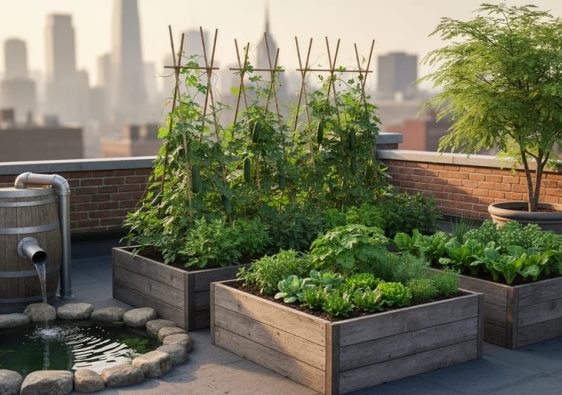
The concept has evolved significantly over the past two decades. Traditional community gardens, where neighbors share divided plots, focused mainly on recreation and personal harvests. New urban farms build on that foundation but function more like compact agricultural businesses. They might lease a vacant lot for commercial production, install raised beds on a restaurant rooftop to supply the kitchen below, or convert a former industrial site into a teaching farm that hosts school groups and sells produce at weekend markets.
- Vertical farming
- Growing crops in stacked layers or vertical structures to maximize production per square foot, often using controlled-environment systems with artificial lighting and climate control.
- Intensive cultivation
- Agricultural techniques that produce high yields from small areas through close spacing, succession planting, and optimized soil fertility, essential for expensive urban land.
- Brownfield remediation
- The process of cleaning and restoring contaminated industrial sites for safe use, allowing former factories or warehouses to become productive farmland with proper soil treatment.
- Biodiverse landscapes
- Farm designs that incorporate multiple plant species, pollinator habitats, and ecological features rather than monoculture rows, supporting urban wildlife while producing food.
What sets these operations apart is their integration into city life. They’re not rural farms that happen to be near buildings; they’re designed for urban constraints and opportunities. A new urban farm might occupy just a quarter-acre but employ specialized growing techniques to produce thousands of pounds annually. Many partner with local organizations to provide job training, donate a portion of harvests to food banks, or host cooking demonstrations that connect residents with fresh vegetables grown blocks from their homes.
How New Urban Farms Work
Site Selection and Preparation
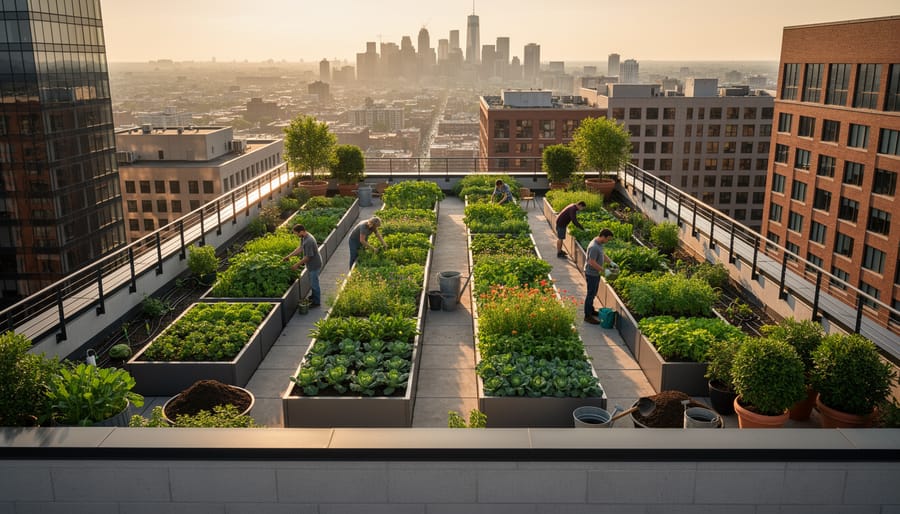
Successful urban farms begin with strategic site evaluation that considers sunlight exposure, accessibility, and structural integrity before any planting starts. Rooftops need engineering assessments to confirm they can support soil weight and water loads, while vacant lots require ownership verification and zoning checks. South-facing locations with six to eight hours of direct sun work best for most vegetable crops.
Site preparation varies dramatically by location type. Converting brownfields for farming demands extensive soil testing for heavy metals, petroleum residues, and industrial contaminants, often requiring soil removal or raised bed construction to create safe barriers. Vacant lots need debris removal, soil amendment with compost, and sometimes remediation before planting. Rooftop projects install waterproof membranes, drainage systems, and lightweight growing media rather than traditional soil.
Smart farmers also map utilities, check water access, and secure long-term land agreements before investing in infrastructure. A thorough site assessment prevents costly problems and creates the foundation for productive, safe food growing in previously unused urban spaces.
Growing Systems and Methods
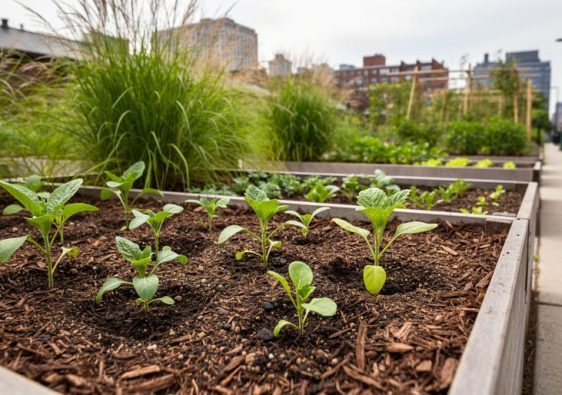
New urban farms employ a diverse toolkit of growing systems adapted to the constraints and opportunities of city environments. The most accessible method is raised bed gardening, which allows farmers to build up clean soil above potentially contaminated ground while improving drainage and making maintenance easier on the back. These beds typically range from 12 to 24 inches deep and can be constructed from untreated wood, metal, or composite materials.
Container gardening offers maximum flexibility, letting farms utilize awkward spaces like alleyways, rooftops, and concrete pads. Five-gallon buckets, fabric grow bags, and repurposed food-grade containers all work well for everything from leafy greens to tomatoes and peppers. The portability means containers can follow the sun or be moved under cover during extreme weather.
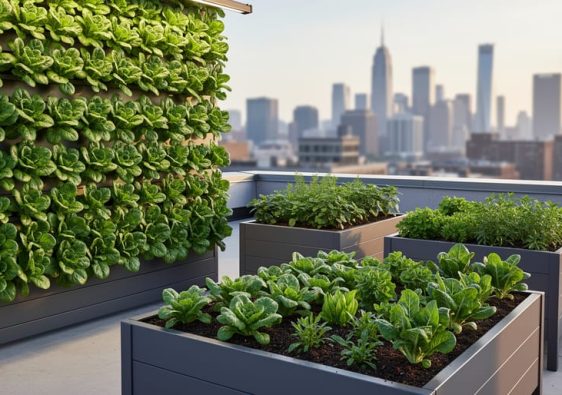
Hydroponics systems, which grow plants in nutrient-rich water rather than soil, have gained traction in urban settings because they use 90% less water than traditional methods and produce faster harvest cycles. Vertical hydroponic towers maximize production per square foot, a crucial advantage when land costs run high.
For pest management, successful urban farms rely on integrated strategies rather than chemical sprays. This means companion planting to confuse pests, introducing beneficial insects like ladybugs and lacewings, using row covers as physical barriers, and maintaining plant health through proper spacing and nutrition so crops can better resist damage naturally.
Types and Components of New Urban Farms
Community-Focused Farms
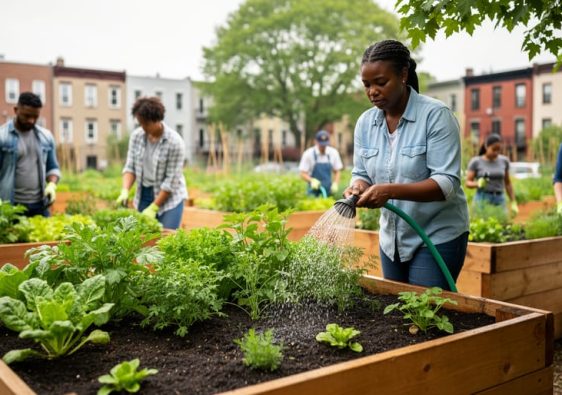
Community-focused farms prioritize neighborhood connection over profit. These projects typically occupy shared spaces where neighbors work together to grow food, learn sustainable practices, and strengthen community bonds. You’ll find volunteer work days, skill-sharing workshops, and harvest distribution systems that ensure fresh produce reaches local families who need it most.
These farms often partner with schools, housing developments, or community centers to maximize accessibility. They create gathering spaces where different generations share gardening knowledge, children learn where food comes from, and residents build relationships across cultural backgrounds. Many operate as cooperative models where participants contribute labor hours in exchange for weekly vegetable shares.
The emphasis stays on inclusion rather than yield. Community farms might dedicate plots to individual families while maintaining common areas for collective projects like fruit trees or pollinator gardens that benefit the entire neighborhood.
Commercial Urban Farms
Commercial urban farms operate as legitimate agricultural businesses within city limits, prioritizing consistent production volumes and reliable distribution channels. These enterprises typically cultivate high-value crops, microgreens, salad mixes, herbs, specialty vegetables, that command premium prices at restaurants and farmers markets while tolerating the higher costs of urban real estate and infrastructure.
Unlike community-focused farms, commercial operations invest heavily in efficient growing systems. Many employ controlled environment agriculture, using greenhouses or vertical farming setups with precise climate control and automated irrigation. This technology enables year-round harvests and predictable yields that meet the demands of wholesale buyers and restaurant clients who need specific quantities on regular schedules.
The business model hinges on proximity advantages. Commercial urban farms reduce transportation time and costs, delivering ultra-fresh produce within hours of harvest. Local chefs value this freshness premium, often willing to pay above commodity prices for produce picked that morning rather than trucked from distant farms.
Educational and Demonstration Farms
Educational and demonstration farms prioritize knowledge sharing over food production, though they often generate substantial harvests as teaching tools. These farms function as living classrooms where visitors learn sustainable agriculture through hands-on experience rather than theory alone.
Universities, botanical gardens, and nonprofit organizations typically operate demonstration farms. They showcase multiple growing methods side by side, letting visitors compare container gardens against raised beds or traditional rows against vertical systems. This direct comparison helps new growers make informed decisions for their own spaces.
Workshops at these sites cover everything from composting and seed starting to season extension and crop rotation. Many offer certificate programs in urban agriculture, creating a trained workforce for the growing sector. School groups tour regularly, connecting urban youth with food systems.
The real value lies in experimentation. Demonstration farms test new varieties, trial innovative techniques, and share results publicly. When a method fails, they document why, saving other urban farmers from repeating mistakes.
Quality Control in Urban Farming Projects
Soil Testing and Safety Protocols
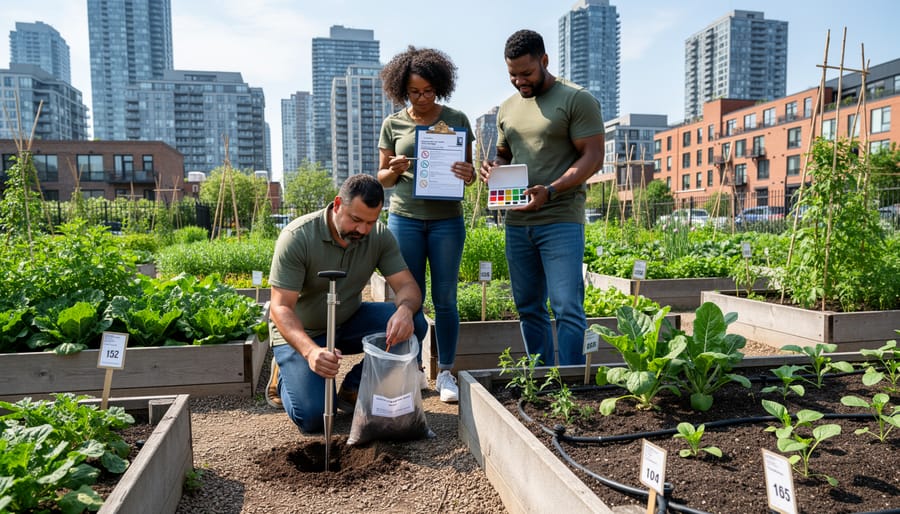
Urban environments present unique soil challenges that demand rigorous testing before any planting begins. Former industrial sites, old gas stations, and lots near highways often harbor lead, arsenic, petroleum residues, or heavy metals that can concentrate in edible crops. Every new urban farm should start with comprehensive soil analysis testing for heavy metals (lead, cadmium, chromium, arsenic), petroleum hydrocarbons, and pH levels before installing growing beds.
When assessing soils for contamination reveals problematic levels, farmers have several remediation paths. Raised bed systems filled with certified clean soil and compost bypass contaminated ground entirely, a practical solution most urban farms adopt. For moderate contamination, phytoremediation using specific plants to absorb toxins, combined with adding organic matter and adjusting pH, can reduce bioavailability over time. Severely contaminated sites might require capping with geotextile fabric before building raised structures, or choosing the location exclusively for non-edible crops like flowers.
Professional soil testing through agricultural extension services costs between $15 and $50 per sample and provides actionable results within two weeks. Test multiple areas across your site since contamination levels vary dramatically even within small plots.
Water Quality and Irrigation Standards
Water quality poses unique challenges in cities where industrial runoff, old pipes, and stormwater systems can introduce contaminants. Before using any water source for irrigation, urban farms should test for bacteria (E. coli and coliforms), heavy metals like lead and cadmium, and pH levels. Municipal water is generally safe, but harvested rainwater or well water requires regular testing to verify it meets irrigation water quality testing standards for agricultural use.
Smart irrigation practices reduce contamination risk. Drip systems that deliver water directly to soil rather than plant surfaces minimize bacterial transfer to edible crops. Avoid overhead sprinklers on leafy greens within two weeks of harvest. Schedule irrigation early in the day so plants dry quickly, which discourages mold and pathogen growth. Keep detailed records of water test results and irrigation dates, especially if you plan to sell produce or partner with restaurants that require food safety documentation.
Harvest and Food Safety Practices
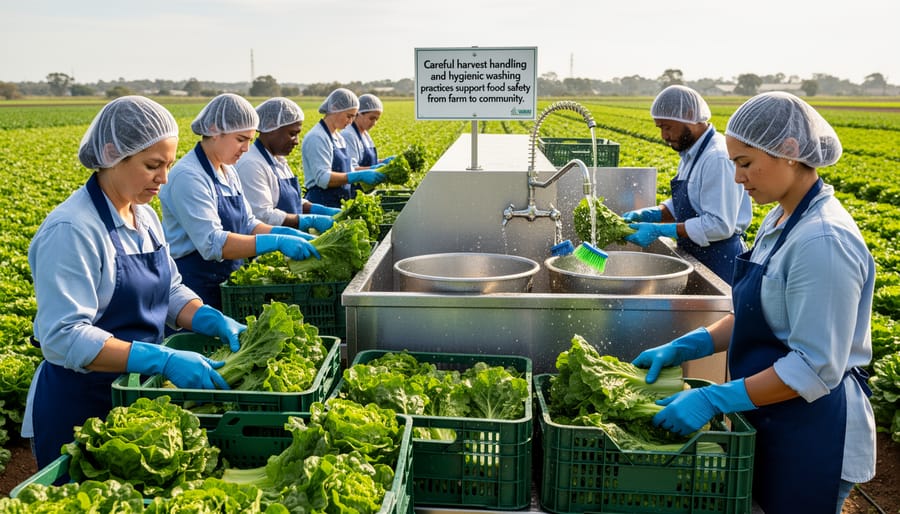
Once produce leaves the ground, proper handling becomes critical to prevent contamination and maintain freshness. Urban farmers should harvest during cooler morning hours when possible, using clean containers and avoiding direct soil contact. Each harvest requires immediate cooling, ideally within an hour, to slow bacterial growth and preserve quality.
Washing stations must use potable water, not collected rainwater or untreated sources. A three-sink system works well: one for initial rinse, one for washing with approved sanitizers at correct concentrations, and one for final rinse. Never submerge greens in standing water, which can spread pathogens; use running water or spray systems instead.
Temperature control matters tremendously. Leafy greens need refrigeration at 34-38°F, while tomatoes and peppers tolerate cool room temperatures. Dedicated food-grade storage containers prevent cross-contamination from non-food items.
Record-keeping tracks harvest dates, batch numbers, and handling procedures. These logs prove invaluable if questions arise about food safety and demonstrate your farm’s commitment to professional standards that protect consumers and build trust with customers and community members.
Real-World Uses and Benefits
New urban farms deliver measurable improvements to city neighborhoods by increasing food access where it’s needed most. In food deserts, areas lacking grocery stores with fresh produce, these farms provide immediate availability of vegetables and herbs within walking distance. Brooklyn’s Saratoga Farm, for example, distributes over 5,000 pounds of produce annually to residents who previously traveled miles for fresh greens, cutting both cost and travel time for families.
The economic impact extends beyond the harvest. Urban farms create entry-level agricultural jobs, paid internships for young adults, and opportunities for small business development through value-added products like preserved foods or plant starts. A single quarter-acre urban farm typically employs 2-3 full-time staff and engages 15-20 regular volunteers, building workforce skills in horticulture, business management, and community organizing.
Environmental benefits accumulate at the neighborhood scale. Urban farms reduce stormwater runoff by absorbing rainfall that would otherwise overwhelm city drainage systems, with a 2,000-square-foot farm capturing roughly 40,000 gallons annually. They lower ambient temperatures in concrete-heavy areas through evapotranspiration, moderate the urban heat island effect, and create habitat corridors for pollinators like native bees and butterflies that struggle in conventional cityscapes.
Neighborhood revitalization follows naturally. Vacant lots transformed into productive farms become gathering spaces that strengthen social ties, reduce crime through increased foot traffic and community ownership, and raise nearby property values by improving the visual appeal and perceived safety of streets. Detroit’s Michigan Urban Farming Initiative turned an abandoned block into a farm that now anchors community events, youth programs, and a resource center, catalyzing investment in surrounding properties.
These combined benefits make urban farms particularly valuable in lower-income neighborhoods where access gaps, economic opportunity, and environmental challenges converge, creating visible improvements that ripple outward through entire communities.
Common Questions About New Urban Farms
Starting or joining an urban farm project often raises practical questions about costs, time, and safety. Here are clear answers to the concerns most people share when considering urban agriculture.
How much does it cost to start a small urban farm?
Initial costs vary widely depending on your approach, a community plot with raised beds might require $500-$2,000 for materials, while a commercial rooftop operation could need $50,000 or more for infrastructure. Many successful farms start small with volunteer labor and donated materials, then scale up as they generate revenue or secure grants.
How many hours per week does managing an urban farm require?
A small community garden plot needs roughly 3-5 hours weekly during growing season for basic maintenance. Larger commercial operations typically require full-time management, though many successful farms rely on volunteer shifts and rotating responsibilities to distribute the workload.
What if my soil is contaminated from previous industrial use?
Contaminated soil is common in cities but manageable through testing and remediation. Most urban farms use raised beds with imported clean soil, install protective barriers between contaminated ground and growing areas, or employ container systems that bypass soil issues entirely.
How can I get involved if I don’t want to start my own farm?
Nearly all urban farms welcome volunteers for planting days, harvest help, or ongoing maintenance. Contact farms in your neighborhood directly, check community bulletin boards, or search for urban agriculture networks in your city that coordinate volunteer opportunities across multiple sites.
These practical considerations shouldn’t discourage you. Most urban farmers learned by doing, and the community around these projects typically offers mentorship and shared resources. Whether you’re testing a single raised bed or planning a neighborhood transformation, starting small and learning as you grow remains the most reliable path forward.
New urban farms represent more than just a growing trend, they’re reshaping how cities produce food, build community connections, and create green spaces where concrete once dominated. From rooftop operations to transformed vacant lots, these projects prove that sustainable agriculture belongs in every neighborhood, not just rural areas.
Quality control isn’t bureaucratic red tape. It’s the foundation that makes urban farming safe, credible, and sustainable for the long term. When farmers test soil, monitor water sources, and follow food safety protocols, they protect both their communities and the reputation of urban agriculture as a whole. These standards transform good intentions into reliable food systems that residents can trust.
Your neighborhood likely has underutilized spaces waiting for transformation. Whether you join an existing farm as a volunteer, support local growers at farmers markets, or advocate for new projects in your community, you can be part of this movement. Start by visiting urban farms near you, talking with the people doing this work, and discovering how agriculture thrives in unexpected places. The next successful urban farm might grow from seeds you help plant, literally or figuratively.