Showing: 1 - 3 of 3 RESULTS
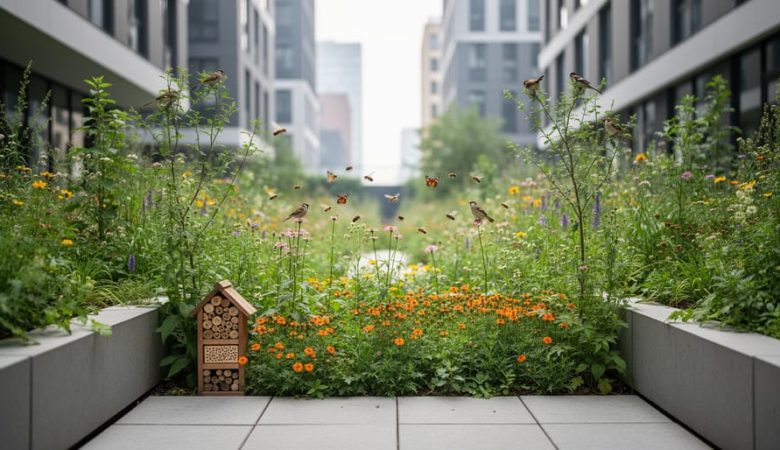
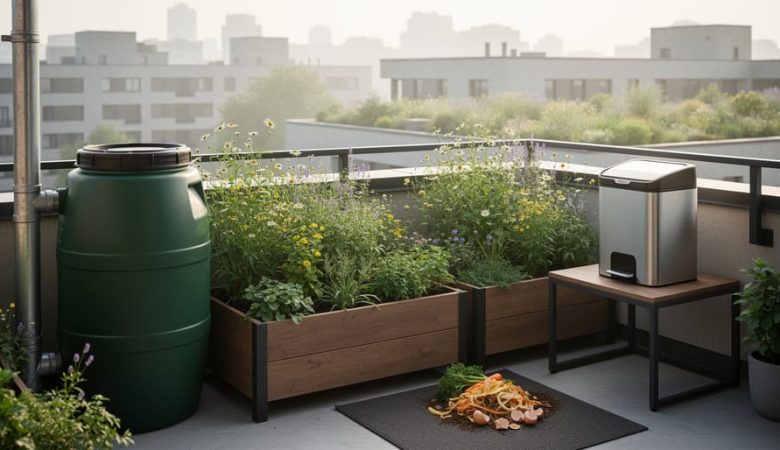
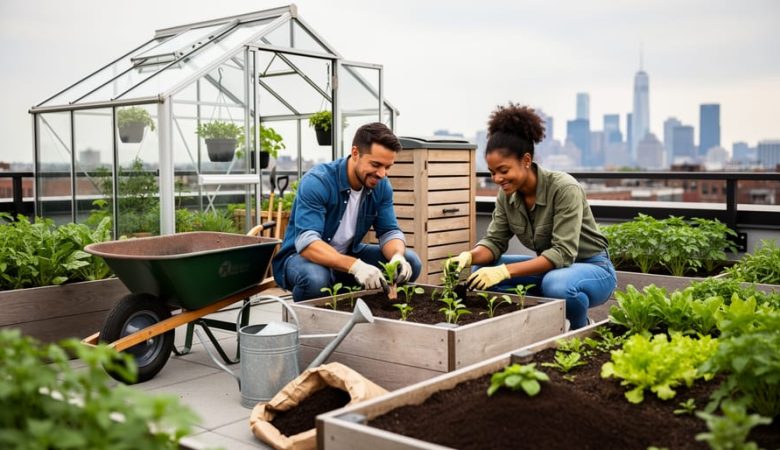
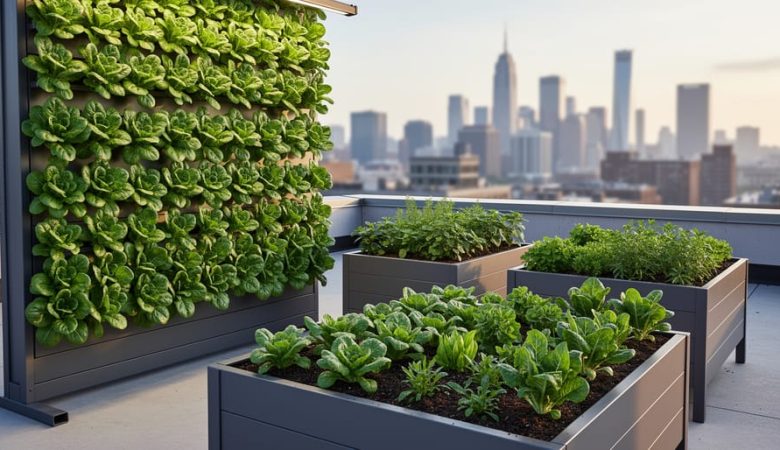
Urban rooftop permaculture garden with raised vegetable beds, trellised plants, shaded greens, and a small pond connected to rainwater collection.
Boston Urban Agriculture Urban Farming Blog

Why Permaculture Farming Is Thriving in Cities Right Now

Permaculture farming works by designing agricultural systems that mimic natural ecosystems, creating self-sustaining gardens and farms that require less water, eliminate chemical inputs, and actually improve soil health over time. The core method arranges plants, water sources, and structures in patterns that allow each element to support the others, turning typical gardening problems into solutions. A nitrogen-fixing tree shades heat-sensitive vegetables while enriching the soil. Rainwater flows from rooftops through vegetable beds before reaching a small pond that moderates temperatures and attracts beneficial insects.
This …

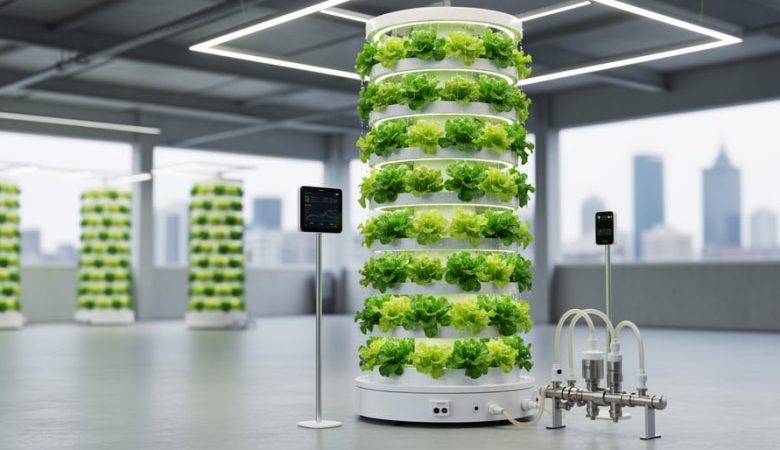
Hydroponic racks with fresh leafy greens in a modern urban farm located on a city lot with blurred buildings in the background.
Boston Urban Agriculture Property Management Urban Farming Blog

What Is a New Urban Farm (and How Does Quality Control Work)?

A new urban farm is a commercially or community-operated agricultural space located within city limits that produces food, herbs, or flowers using intensive growing methods designed for limited space and urban conditions. Unlike backyard gardens or community plots where individuals tend their own patches, these farms function as organized enterprises with coordinated production goals, often serving local markets, restaurants, or neighborhood residents.
Urban farms are reshaping how cities think about food production and land use in 2026. What once seemed impossible, growing meaningful quantities of produce within dense metropolitan …

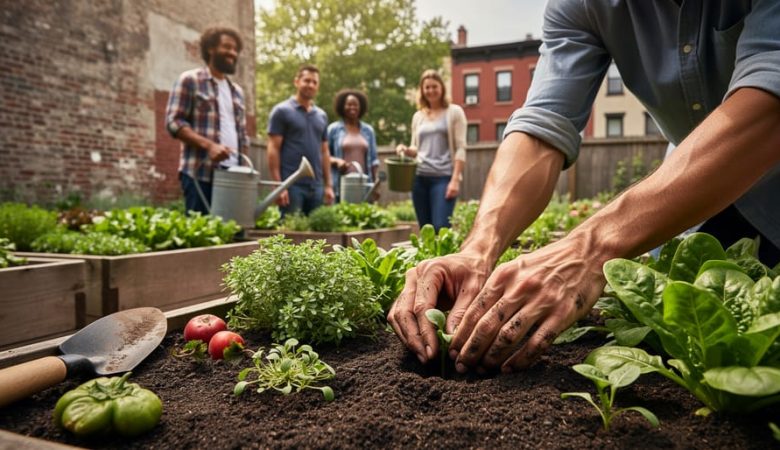
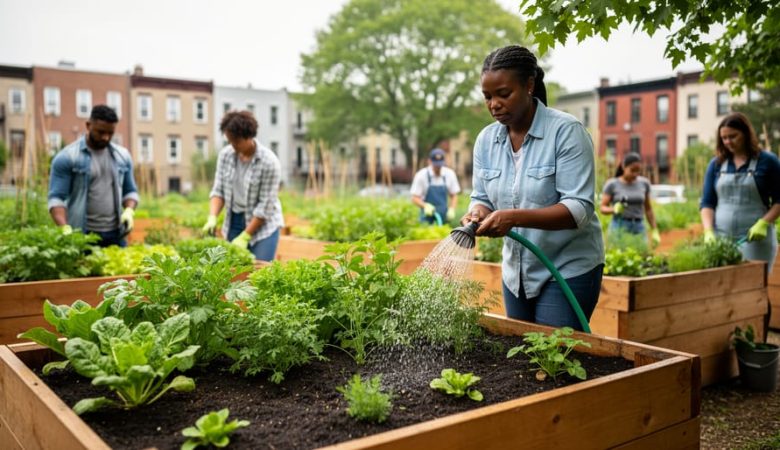
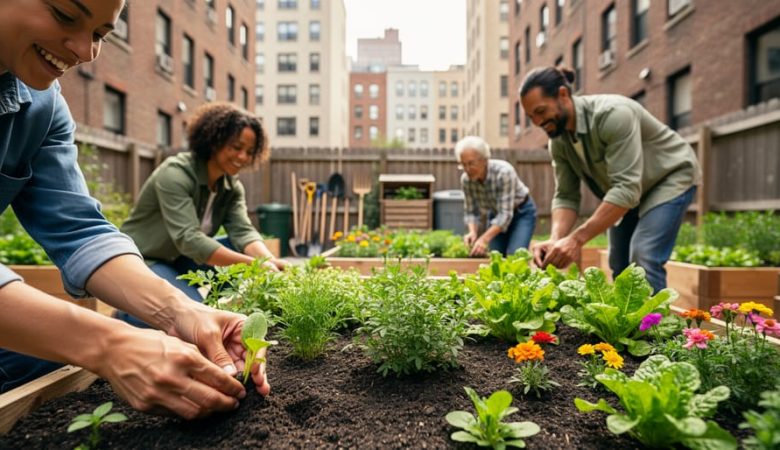
“Seedlings growing in raised and in-ground beds with rich soil in an urban community garden setting.”
Boston Urban Agriculture Urban Farming Blog

Why Urban Farmers Are Turning to Arable Farming Methods in 2026

Arable farming transforms bare land into productive cropland, and this ancient practice is finding new relevance in cities across America in 2026. Picture vast fields of wheat, corn, or soybeans stretching to the horizon. That’s traditional arable farming. But here’s what makes it matter to you: the principles that work on thousand-acre farms can reshape how we grow food in urban spaces.
This spring, farmers in the Midwest faced their most challenging planting season in a decade, drawing national attention to soil health and sustainable growing methods. These conversations aren’t just for rural communities anymore…