janet
janetBiodiversity and sustainability are two sides of the same coin. Biodiversity refers to the variety of life in a given space, from microorganisms in soil to birds overhead, while sustainability means meeting our needs today without compromising future generations’ ability to meet theirs. When we talk about landscapes, these concepts become inseparable: diverse ecosystems naturally support the long-term health of our environment, providing cleaner air, better water filtration, pollination for food crops, and resilience against climate extremes.
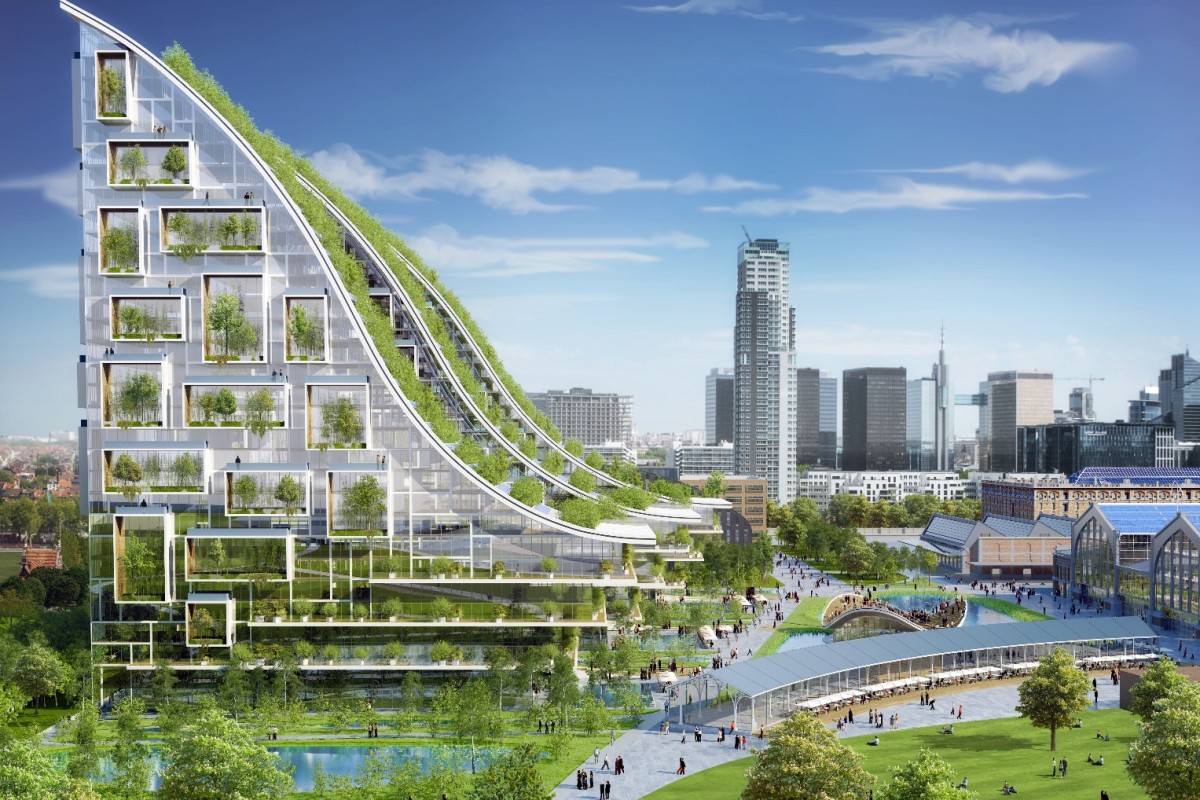
In cities across America, the connection between biodiversity and sustainability is moving from theory to practice. Urban landscapes that incorporate native plants, create habitat corridors, and reduce chemical inputs don’t just look better. They actively support local wildlife, require less water and maintenance, and help communities adapt to rising temperatures and unpredictable weather patterns. A diverse urban ecosystem can cool neighborhoods by several degrees, reduce stormwater runoff that overwhelms aging infrastructure, and reconnect residents with the natural world right outside their doors.
This article breaks down how biodiversity strengthens sustainability in practical terms, explores the key components that make biodiverse landscapes work, and shows you real examples from neighborhoods transforming vacant lots and sterile lawns into thriving green spaces. Whether you’re a homeowner rethinking your yard, a community organizer planning a shared garden, or simply curious about how nature can solve urban challenges, understanding this relationship opens up possibilities for meaningful change where you live.
What Biodiversity and Sustainability Mean in Urban Spaces
Biodiversity means the variety of living things sharing a space, from soil microbes and insects to birds, plants, and everything in between. In your backyard, a community garden plot, or a rooftop container setup, biodiversity shows up as different plant species, beneficial bugs visiting flowers, earthworms improving soil, and birds stopping by for seeds or shelter. The more types of life your space supports, the more biodiverse it becomes.
Sustainability is about creating systems that work long-term without depleting what future gardeners will need. Instead of relying on bags of fertilizer shipped from far away or chemicals that harm soil life, sustainable practices build healthier soil year after year, capture rainwater rather than letting it run off, and create conditions where plants mostly take care of themselves. You’re meeting your needs for fresh vegetables, beautiful flowers, or a peaceful green space while leaving things better than you found them.
- Biodiversity
- The variety of life forms in a given space, including plants, insects, microorganisms, and animals that interact to create a functioning ecosystem.
- Sustainability
- Practices that meet current needs without compromising the ability of future generations to meet theirs, often by working with natural systems rather than against them.
- Ecosystem Services
- The free benefits nature provides, like pollination, pest control, water filtration, and soil building, which reduce the work and inputs gardeners need.
- Native Species
- Plants and animals that evolved in your region and support local wildlife while thriving without extra water, fertilizer, or pest management.
- Biodiverse Landscape
- A designed space that intentionally supports multiple species through varied plantings, habitat features, and resource availability.
In urban settings, these concepts become intensely practical. A biodiverse rooftop garden with ten different flowering plants supports more pollinators than a single-species planting, creating natural pest control that protects your tomatoes without sprays. A community plot that composts kitchen scraps and uses rainwater barrels operates sustainably because it recycles nutrients and reduces strain on city water systems. Even a small balcony with native flowers in containers contributes to neighborhood biodiversity when bees and butterflies visit.
The beauty is that biodiversity and sustainability aren’t abstract ideals reserved for rural farms or wilderness preserves. They’re strategies that make city gardening easier, more productive, and more rewarding while turning concrete-heavy neighborhoods into places where nature can actually thrive.
How Biodiversity and Sustainability Work Together
The Natural Support System
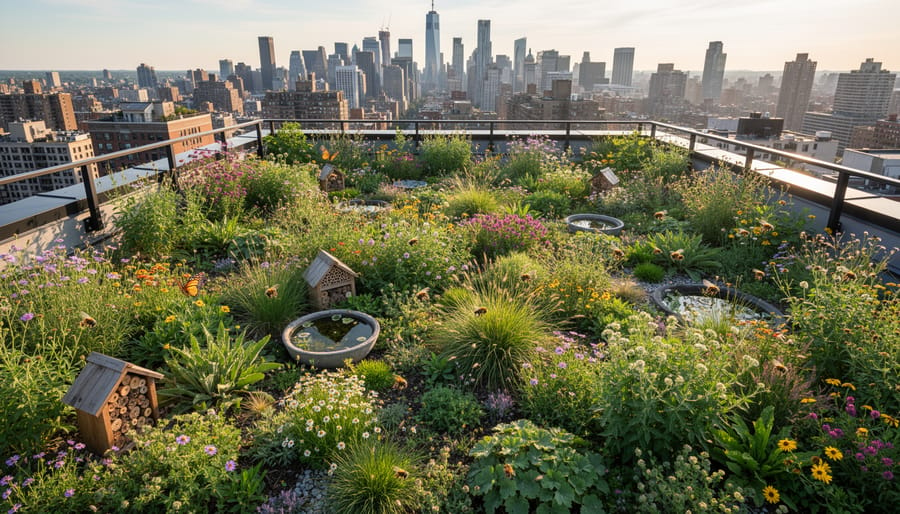
A biodiverse garden essentially runs itself. When you plant a variety of species, you create a living workforce that handles tasks most people reach for chemicals to solve. Ladybugs and lacewings patrol for aphids. Ground beetles consume slug eggs before they become a problem. Native bees and butterflies pollinate your vegetables and flowers while hummingbirds handle the tubular blooms. Research confirms that biodiversity supports natural pest control reducing the need for interventions that harm beneficial organisms along with pests.
The benefits extend underground. Diverse plant roots create channels at different depths, improving drainage and preventing waterlogging during heavy rains. Deep-rooted perennials pull nutrients up from the subsoil, making them available to shallow-rooted plants. Organic matter from varied plants feeds different soil organisms, building a community of bacteria, fungi, and earthworms that break down materials into rich humus. This living soil holds moisture like a sponge during dry spells and filters rainwater naturally, keeping pollutants out of storm drains. You water less, fertilize less, and spray nothing because the ecosystem does the work.
Building Resilience Through Variety
Diverse plant communities function like insurance policies for urban landscapes. When one species struggles with unusual heat or cold, others continue thriving, ensuring your garden remains productive and attractive through whatever weather arrives. This built-in resilience means fewer dead plants to replace and less money spent on emergency interventions.
Monocultures create single points of failure. A disease targeting one plant type can devastate an entire bed. But in diverse landscapes, pathogens encounter barriers: they can’t easily jump between unrelated species, so outbreaks fizzle out naturally. The same principle applies to pests, which struggle to build populations when their preferred host plants are scattered among dozens of other species.
Climate variability hits Boston harder each year, with unpredictable freezes, heat spikes, and rainfall swings becoming the new normal. Gardens mixing drought-tolerant natives with moisture-loving perennials and hardy groundcovers adapt to these extremes without constant replanting. Different species have different tolerances, so your landscape always has something carrying the load while others recover. This variety cuts maintenance time dramatically and protects your investment in plants, soil amendments, and infrastructure.
Components of Biodiverse and Sustainable Landscapes
Native and Adapted Plants
Native plants are the backbone of truly sustainable urban landscapes because they evolved right here, adapted to New England’s clay soils, summer humidity, and winter freezes. When you plant species like black-eyed Susan, switchgrass, or serviceberry instead of imported ornamentals, you’re working with your environment rather than fighting it. These plants already know how to thrive in local conditions, so native plants need less water once established, often surviving on rainfall alone after their first season.
Beyond saving you time hauling hoses and money on water bills, locally-adapted plants feed the wildlife that depends on them. Native bees evolved alongside specific flowers, caterpillars need particular host plants to complete their lifecycle, and migrating birds recognize the berries and seeds they’ve relied on for generations. A yard full of exotic species might look green, but it functions as a food desert for local creatures.
You’ll also skip the fertilizer routine. Native plants thrive in the nutrient levels Boston soils naturally provide, eliminating the need for chemical supplements that wash into storm drains and harm waterways.
Habitat Diversity
Creating habitat diversity means designing your urban landscape as a collection of welcoming “rooms” that accommodate different creatures at different heights and conditions. Rather than planting a uniform bed of similar-sized plants, layer your space vertically: groundcovers spread along the soil surface sheltering beetles and spiders; mid-height perennials and shrubs offer nesting sites for native bees and songbirds; taller plants and small trees provide roosting spots and food sources throughout the year.
Each structural layer serves a purpose. Groundcovers shade soil and conserve moisture while harboring ground-nesting pollinators. Dense shrubs create safe corridors for birds moving through the city. Standing dead plant stems left through winter house beneficial insects that emerge in spring to pollinate early flowers and control pests. Even a small balcony garden gains habitat value by mixing heights: trailing plants cascading from containers, upright herbs at eye level, and a climbing vine reaching overhead.
This layered approach doesn’t require more space, just thoughtful arrangement. When multiple species find homes in your landscape, they naturally support each other through pollination, pest control, and nutrient cycling, reducing the work and inputs you provide.
Closed-Loop Resource Systems
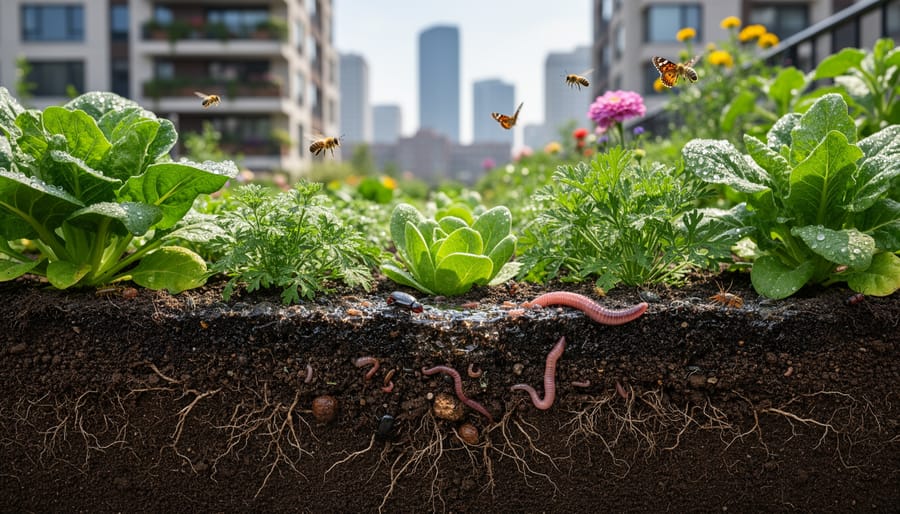
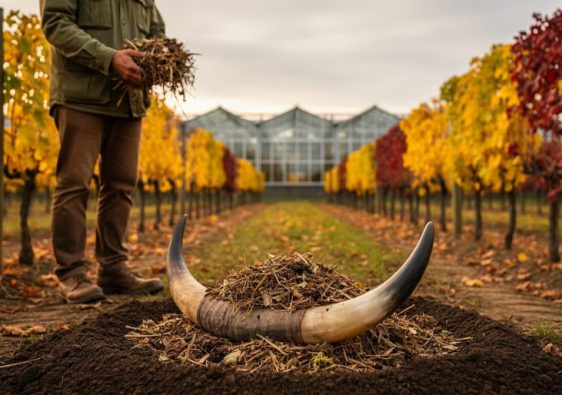
Closed-loop systems turn your landscape into a self-sustaining cycle where waste becomes a resource. Start with composting, every kitchen scrap and yard trimming breaks down into nutrient-rich soil amendment that feeds your plants without synthetic fertilizers. A simple bin or even a pile tucked behind plantings transforms coffee grounds, vegetable peels, and fallen leaves into the foundation of healthy soil teeming with beneficial microorganisms.
Rainwater collection captures free irrigation while reducing stormwater runoff that overwhelms urban drainage systems. A basic rain barrel attached to your downspout stores hundreds of gallons for dry spells, and the unchlorinated water benefits plants more than tap water. Pair this with mulching to retain moisture and you’ll water far less frequently.
These green eco solutions work together beautifully. Compost improves soil structure so it absorbs and holds rainwater better. Mulch made from your own prunings suppresses weeds while decomposing slowly to feed soil life. Nothing leaves your property, instead, organic matter cycles continuously, building fertility year after year. This approach cuts your dependence on external inputs dramatically while creating soil so alive it practically grows plants on its own.
Where Biodiversity and Sustainability Apply in Urban Settings
Residential Gardens and Yards
Your yard or small garden might feel modest, but it holds enormous potential as a biodiverse oasis. Start by replacing even a portion of water-hungry lawn with native perennials, edible shrubs, and groundcovers that thrive without constant irrigation. A single rain barrel captures hundreds of gallons annually, feeding your plants during dry spells while cutting your water bill.
Layer your landscape vertically: tall sunflowers or elderberries shelter mid-height tomatoes and peppers, which shade lettuce and herbs below. This stacking creates multiple habitats, pollinators visit your flowers, beneficial beetles patrol the understory, and birds glean insects from the canopy. The result? Natural pest management and higher yields without sprays.
Leave some leaf litter under shrubs to shelter ground-dwelling species, and let a corner go a bit wild with native grasses or wildflowers. Your neighbors will notice the butterflies, and you’ll harvest fresh greens steps from your kitchen while building healthier soil year after year.
Community Gardens and Shared Spaces
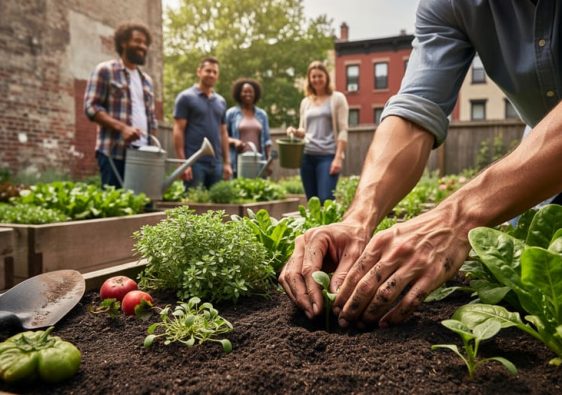
Community gardens take biodiverse, sustainable principles and scale them across entire neighborhoods. When multiple households share a plot, each bed becomes a learning laboratory where experienced growers mentor newcomers, demonstrating companion planting, composting techniques, and seasonal crop rotations firsthand. This knowledge exchange happens naturally, through fence-line conversations and shared work days, making sustainable practices accessible to people who’d never attempt gardening alone.
The environmental benefits multiply too. A dozen diverse plots create far more habitat value than a dozen identical yards, attracting pollinators and beneficial insects that ripple outward into surrounding blocks. Shared compost systems process neighborhood food scraps at scale, building healthier soil while diverting waste from landfills. Rainwater harvesting infrastructure serves the whole garden, reducing municipal water demand significantly.
If you’re ready to join a community garden you’ll find these spaces strengthen social connections while teaching practical sustainability. Plot-holders share surplus harvests, coordinate pest management organically, and collectively maintain wildlife-friendly common areas, proving that environmental stewardship works better as a community effort than an isolated pursuit.
Commercial and Institutional Properties
Businesses, schools, and organizations across Boston are discovering that biodiverse landscapes serve multiple purposes beyond aesthetics. Corporate campuses install native meadows and rain gardens that capture stormwater, reducing strain on municipal systems while cutting irrigation costs by 60-70% compared to traditional turf. These spaces double as outdoor meeting areas where employees benefit from contact with nature during breaks.
Schools transform unused lawn sections into outdoor classrooms featuring pollinator gardens and vegetable beds. Students learn ecology firsthand while the institution demonstrates environmental leadership to parents and community members. One local elementary school eliminated $3,000 in annual landscaping costs by replacing high-maintenance beds with native perennials that require minimal care.
Healthcare facilities use therapeutic gardens combining diverse plantings with seating areas, supporting patient recovery while managing site drainage naturally. The variety of blooming periods ensures visual interest year-round without chemical inputs that could affect sensitive populations.
These institutional projects typically qualify for green building certifications, stormwater credits, and positive media coverage, making biodiversity and sustainability smart business decisions that align environmental responsibility with practical benefits.
Real Stories: Biodiverse Landscapes Thriving in Boston
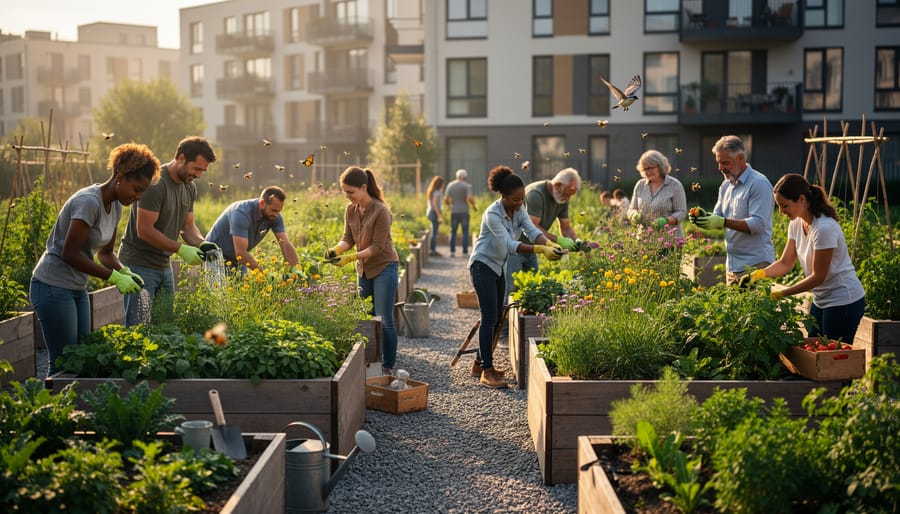
Boston neighborhoods demonstrate how biodiversity and sustainability create thriving urban ecosystems through real community projects with measurable results.
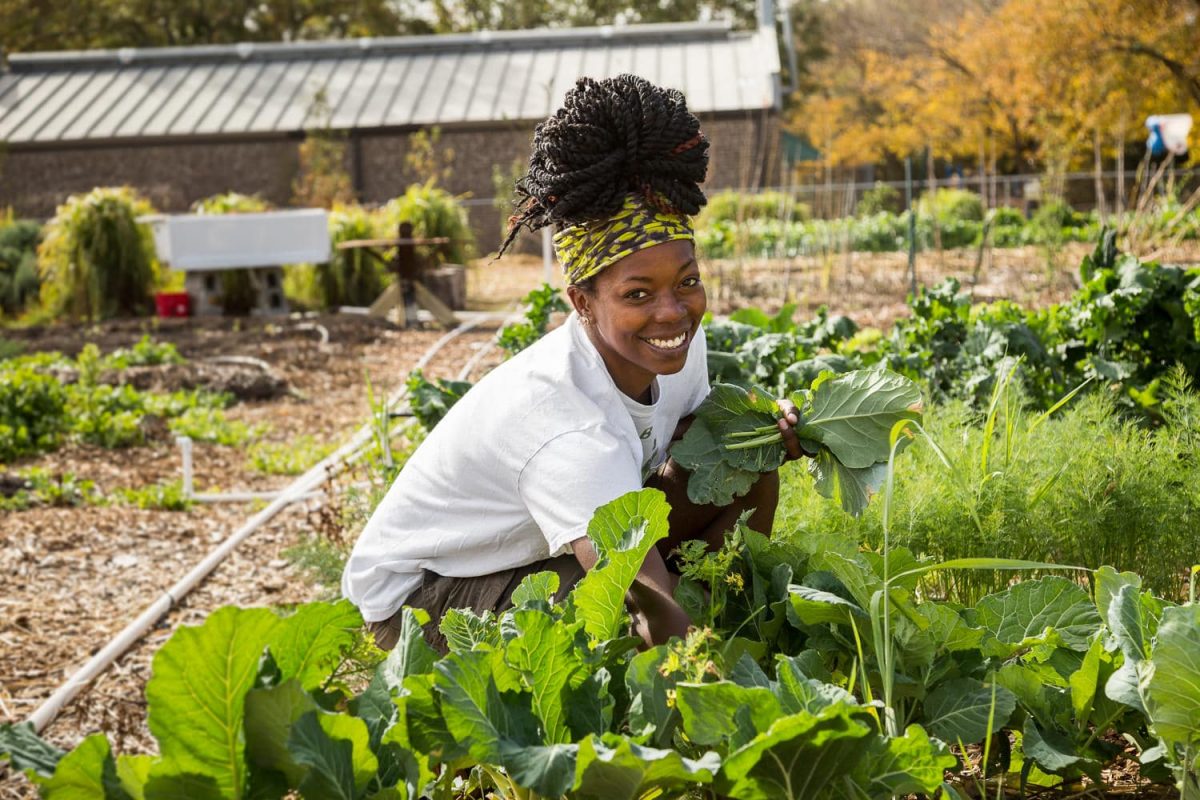
The Dorchester Urban Growing Center transformed a vacant lot into a productive community garden that now supports 75 families. By prioritizing native plants alongside food crops, the center created habitat for 23 bird species and dozens of beneficial insects. Volunteers report harvesting over 3,000 pounds of vegetables in 2025 while reducing stormwater runoff by 40 percent through rain gardens and permeable pathways. Community members who had never gardened before now lead workshops on composting and seed saving, building neighborhood knowledge and connections.
In Jamaica Plain, a former parking lot became a biodiverse community space combining edible landscaping with pollinator gardens. The project team planted diverse species at different heights, creating layers that support everything from ground beetles to nesting songbirds. Residents track wildlife sightings through a shared app, documenting the return of species not seen in the neighborhood for decades. The garden requires no synthetic fertilizers or pesticides, relying instead on compost made from neighborhood food scraps and natural pest predators.
A Roxbury elementary school partnered with local organizations to build outdoor learning gardens that serve as living classrooms. Students observe seasonal changes, conduct soil health experiments, and maintain plantings that attract butterflies and native bees. Teachers integrate the gardens into science and nutrition curricula while families gain access to fresh produce through harvest shares. The school’s quality control protocols ensure safe growing practices while students learn about sustainable food systems.
These projects prove that combining biodiversity with sustainable practices works in real urban settings, delivering environmental benefits while strengthening communities and providing tangible resources like fresh food, educational opportunities, and restored habitat.
Common Questions About Biodiversity and Sustainability
Is creating a biodiverse landscape expensive?
Starting costs vary widely depending on your goals, but many effective approaches require minimal investment. Native plants often cost less than ornamentals, seeds are inexpensive, and composting systems can be built from salvaged materials. The long-term savings on water, fertilizer, and maintenance typically offset initial expenses within a few seasons.
How much time does maintaining a biodiverse garden require?
Once established, biodiverse landscapes typically need less maintenance than traditional gardens because natural systems handle pest control and soil enrichment. Expect weekly attention during the first growing season as plants establish, then maintenance drops to occasional weeding, seasonal pruning, and harvesting. Many urban gardeners spend just 30 minutes weekly on established plots.
Can I start small and still make a difference?
Absolutely. A single container of native flowers on your balcony provides pollinator habitat, and even a small herb garden reduces your food footprint. Every plant contributes to the local ecosystem, and starting small lets you learn before expanding. Most successful urban gardeners began with just a few square feet.
What if my space has challenging conditions like shade or poor soil?
These conditions simply guide your plant selection rather than preventing success. Shade-tolerant natives like ferns and woodland plants thrive in low-light areas, while poor soil improves rapidly with compost and mulch. Many solutions for urban agriculture specifically address challenging conditions, turning limitations into opportunities for specialized habitat creation.
These questions reflect concerns many urban gardeners share when first exploring biodiversity and sustainability. The encouraging reality is that obstacles you face, tight budgets, limited time, small spaces, difficult growing conditions, actually make you resourceful. You learn to work with what you have rather than against it, which aligns perfectly with sustainable principles.
Your challenges also connect you to a broader community of urban gardeners solving similar problems. Local workshops, online forums, and neighborhood garden groups provide practical wisdom you won’t find in books written for suburban yards. When you encounter a specific hurdle, someone nearby has likely figured out a creative workaround worth sharing.
Remember that perfection isn’t the goal. A partially shaded balcony with three native perennials and a rain bucket is genuinely contributing to urban biodiversity. Your willingness to try, learn, and adapt matters more than having ideal conditions or extensive resources from the start.
You don’t need a perfect plan or a large space to make a difference. Start with one native plant on your balcony, replace a patch of lawn with pollinator-friendly flowers, or join a community garden where experienced neighbors share what works. Each small action, choosing compost over chemical fertilizer, capturing rainwater in a barrel, planting milkweed for monarchs, builds momentum toward healthier neighborhoods and stronger ecosystems.
The beauty of biodiversity and sustainability is that they reward curiosity and experimentation. Your early successes inspire neighbors, your challenges teach valuable lessons, and your garden becomes a living classroom that changes with the seasons. As you observe which plants attract the most bees or how mulch reduces your watering needs, you’ll develop confidence and keep your garden thriving year after year.
Ready for personalized guidance? Join one of our local workshops where you’ll meet fellow urban gardeners, learn region-specific techniques, and discover which sustainable practices fit your space and schedule. Together, we’re transforming Boston’s urban landscape one garden at a time.