janet
janetFarming innovations are the advanced technologies, methods, and systems transforming how we grow food, from vertical farms in city warehouses to sensors that monitor soil health in real time. These breakthroughs matter because they’re making agriculture more productive, sustainable, and accessible, especially in urban environments where space is limited and communities are hungry for fresh, local produce.
For anyone curious about how technology is reshaping food production, or for community organizers exploring new project possibilities, understanding these innovations opens up exciting pathways. We’re seeing rooftop greenhouses feed entire neighborhoods, automated systems manage crops with minimal water, and data-driven tools help beginners succeed where traditional farming knowledge once fell short.
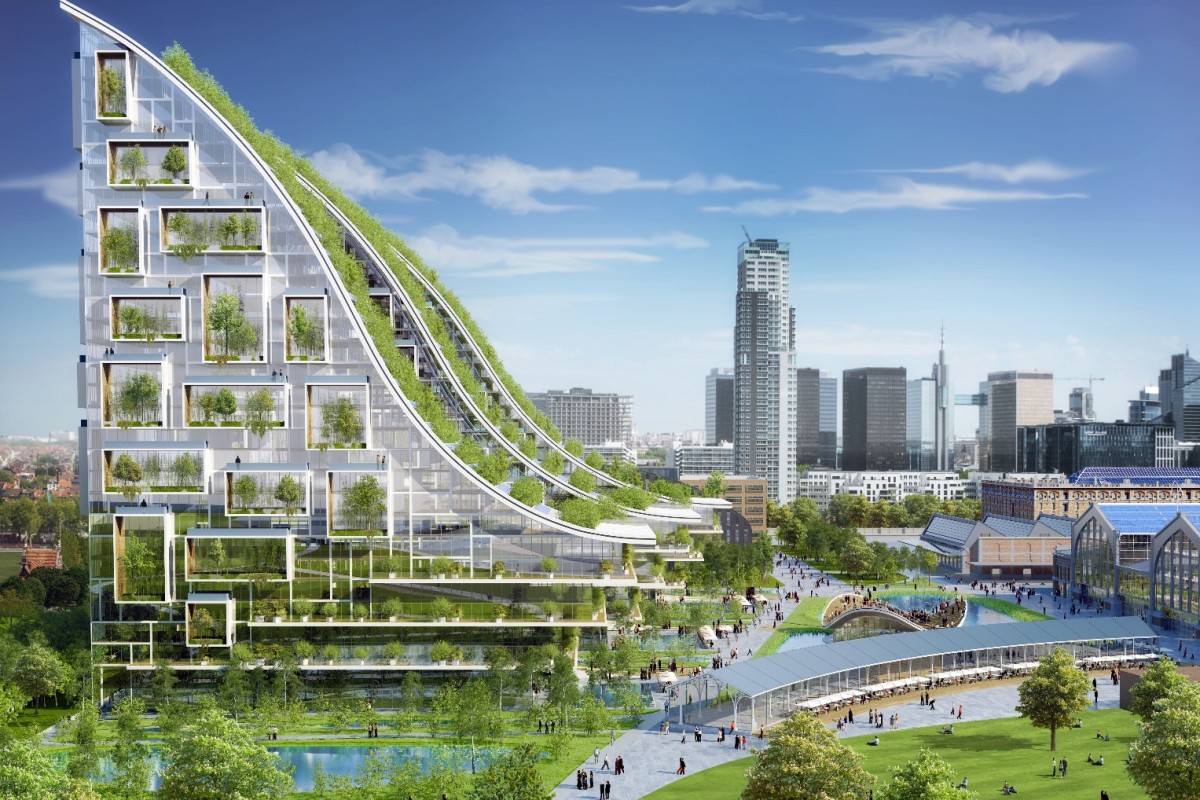
The shift isn’t just happening on rural acreage. Cities across the country are becoming laboratories for agricultural experimentation, proving that growing food doesn’t require sprawling fields or generations of farming experience. Hydroponic towers rise in converted warehouses. Aquaponic systems combine fish farming with vegetable production in compact spaces. Smart sensors take the guesswork out of watering and fertilizing, making successful cultivation achievable for anyone willing to learn.
What makes 2026 such a pivotal moment is the convergence of affordability and accessibility. Technologies once reserved for large commercial operations are now within reach of community gardens, schools, and dedicated home growers. These tools aren’t replacing the human connection to food and soil. They’re enhancing it, helping more people participate in growing what they eat while using fewer resources and creating less waste. The innovations reshaping farming today are practical, proven, and ready to bring fresh food closer to where people actually live.
What Farming Innovations Mean for Urban Spaces
Farming innovations are new methods, tools, and approaches designed to make growing food more efficient, sustainable, and accessible in environments where traditional farming faces constraints. These aren’t just high-tech gadgets or expensive systems. They’re creative solutions that range from simple rainwater collection barrels to smartphone apps that help you track planting schedules, from vertical towers that grow lettuce in tight corners to composting methods that turn kitchen scraps into rich soil.
What sets these innovations apart from conventional farming is how they address the specific challenges cities present. Traditional agriculture assumes you have acres of tillable land, predictable water access, and space to spread out. Urban farming works with rooftops, balconies, vacant lots, and community plots where every square foot counts. Innovations help you grow more food in less space, use water more carefully, build healthy soil without access to fields, and make decisions based on your microclimate rather than regional averages.
The real power of these urban agriculture solutions lies in how they democratize food production. You don’t need a rural property or farming background to grow meaningful amounts of food. A well-designed hydroponic system can produce fresh greens year-round in a basement. A neighborhood garden using drip irrigation and season-extending row covers can feed dozens of families from a quarter-acre lot. These innovations level the playing field, making it possible for apartment dwellers, community centers, and local organizations to participate in creating more resilient, sustainable food systems right where people live.
How Modern Farming Innovations Work in Practice
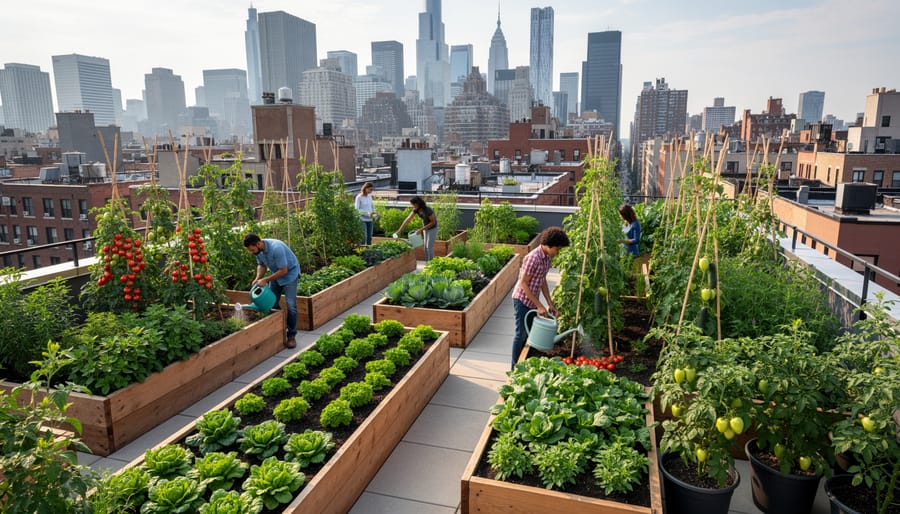
Modern farming innovations work by rethinking how we use every available resource. Instead of spreading crops across vast horizontal plots, these methods stack growing vertically, capture and recycle water rather than letting it drain away, and turn waste products into nutrients that feed the next cycle of growth. The core shift is toward closed-loop systems where outputs from one process become inputs for another, minimizing what gets discarded and maximizing what gets produced from limited urban spaces.
In practice, these innovations operate on several foundational principles:
- Maximizing vertical space through multi-level growing structures and wall-mounted systems
- Reducing water waste with precision delivery methods and recirculation systems
- Creating closed-loop systems that convert organic waste into compost and nutrients
- Using renewable energy sources like solar panels to power pumps and monitoring equipment
- Fostering biodiversity through companion planting and habitat creation for beneficial insects
These principles play out differently depending on the innovation. A rooftop hydroponic setup, for instance, uses nutrient-rich water that circulates through plant roots and returns to a reservoir, using 90% less water than soil-based growing. Sensors monitor pH and nutrient levels, sending alerts to a gardener’s phone when adjustments are needed. Meanwhile, a community garden might use a three-bin composting system where kitchen scraps from nearby households decompose in stages, producing finished compost that rebuilds depleted urban soil while diverting tons of organic matter from landfills.
The beauty of these systems is their scalability. A window box with self-watering technology operates on the same water-conservation principle as a commercial vertical farm, just at a different scale. Both deliver moisture directly to root zones and prevent evaporation, they just serve different numbers of plants. This consistency in underlying logic means urban gardeners can start small, prove concepts in a raised bed or balcony setup, then expand to larger installations as they gain confidence and resources.
Key Types of Farming Innovations Reshaping Cities
Vertical and Controlled Environment Growing
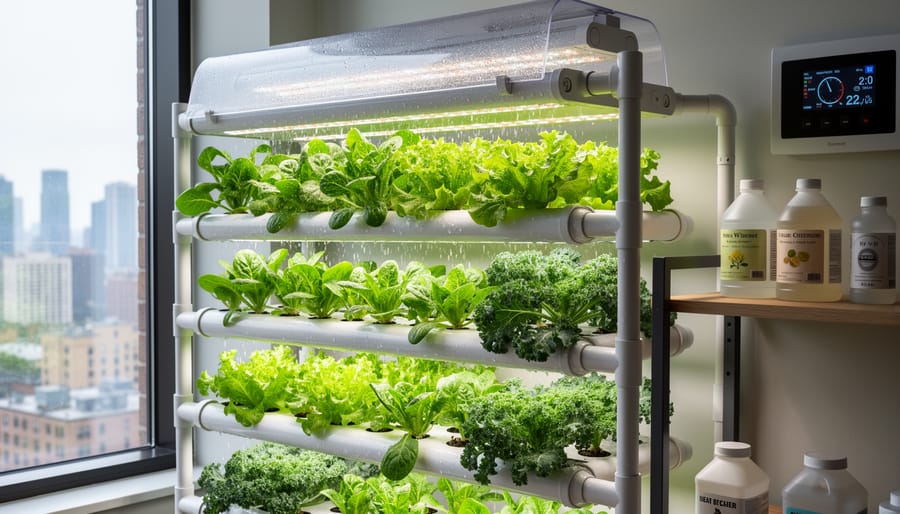
When floor space is scarce, growing up instead of out makes sense. Vertical farming stacks plants on shelves or towers, often under LED lights, turning a basement corner or shipping container into a productive mini-farm. You’ll see these systems in community centers, restaurants, and even apartment buildings where they churn out greens, herbs, and microgreens without needing soil or sunlight.
Hydroponics feeds plant roots directly in nutrient-rich water, while aeroponics suspends roots in air and mists them with nutrients. Both methods cut out soil entirely, which means faster growth and higher water-use efficiency than traditional gardens, up to 90% less water in many setups. These systems fit on balconies, rooftops, or repurposed warehouses, making them ideal for cities where every square foot counts.
Indoor growing setups combine vertical structures with controlled environments, think climate-regulated rooms where you dial in temperature, humidity, and light cycles. This level of control enables year-round controlled production regardless of weather, extending Boston’s short growing season into twelve months. You’re not at the mercy of frost dates or heat waves, which means consistent harvests and the ability to grow crops that normally wouldn’t thrive in New England’s climate.
Smart Water and Resource Management
Water management innovations address one of urban agriculture’s most pressing challenges: making every drop count. Cities face increasing pressure on municipal water supplies, and urban gardeners often work with limited access or high costs that make efficient irrigation essential.
Drip irrigation systems deliver water directly to plant roots through a network of tubes and emitters, reducing waste from evaporation and runoff by 30-50% compared to traditional sprinklers. These systems adapt easily to balconies, rooftop gardens, and raised beds, using simple timers or connecting to rainwater collection barrels. The precision helps prevent overwatering that leads to fungal diseases while ensuring consistent moisture for healthier plants.
Rainwater harvesting captures free water from roofs and directs it into storage barrels or cisterns for later use. A typical residential roof can collect thousands of gallons annually, reducing dependence on municipal supplies while filtering out chemicals like chlorine that some plants find stressful. Many urban gardeners pair collection systems with basic filtration and simple distribution networks.
Soil moisture sensors take the guesswork out of watering by measuring actual moisture levels at root depth. These affordable devices prevent both drought stress and waterlogging, with studies showing soil moisture sensor water savings of 15-30% compared to fixed schedules. Smart versions send alerts to your phone, helpful for community gardens where multiple people share quality control responsibilities.
Greywater systems reuse water from sinks, showers, and washing machines for irrigation, diverting hundreds of gallons weekly from the sewer system to productive use. Simple laundry-to-landscape setups require no permits in many cities and cost under $100 to install, making them accessible entry points for water-conscious gardeners.
Regenerative and Soil-Building Techniques
Healthy soil forms the foundation of any productive garden, and regenerative techniques turn urban “waste” into fertile growing medium while building long-term soil vitality. These methods work with natural cycles to create nutrient-rich environments that support robust plant growth.
Composting systems transform kitchen scraps and yard waste into dark, crumbly humus. Urban gardeners can choose from compact bins, tumbler composters, or even bokashi fermentation buckets for apartments. The process breaks down organic matter into nutrients plants can actually use, cutting fertilizer costs while diverting waste from landfills.
Vermicomposting uses red wiggler worms to process food scraps in small containers that fit under sinks or on balconies. The worms produce castings, essentially worm manure, that’s packed with beneficial microbes and nutrients. It’s odorless when maintained properly and produces liquid fertilizer as a bonus.
Biochara charcoal-like substance made from burned organic material, improves soil structure and holds nutrients and water. Mixed into garden beds, it creates habitat for beneficial microorganisms and can remain effective for decades.
Cover cropping involves planting species like clover or buckwheat between growing seasons to protect and enrich soil. Even in small urban plots, these “green manures” prevent erosion, suppress weeds, and add nitrogen when turned under.
Community-Powered Technology Tools
Technology once seemed out of reach for everyday gardeners, but today’s community-powered tools put sophisticated data and decision-making support directly into the hands of urban growers. These innovations democratize farming knowledge without requiring advanced technical skills or expensive equipment.
Garden planning apps help urban farmers visualize layouts, track planting schedules, and manage crop rotations on phones or tablets. Free and low-cost options calculate frost dates, suggest companion plantings, and send reminders for tasks like watering or fertilizing. Some connect users with nearby gardeners to share what’s working in their specific microclimate, turning individual observations into collective wisdom.
Weather monitoring has become remarkably accessible through affordable stations that measure temperature, rainfall, humidity, and sunlight. These devices sync with apps to help growers anticipate conditions and adjust care accordingly. Community networks often share station data across neighborhoods, creating hyperlocal forecasts more relevant than regional reports.
Pest monitoring systems range from simple sticky traps with photo-sharing capabilities to apps that identify insects and diseases through image recognition. Rather than spraying preventively, gardeners can spot problems early and respond with targeted interventions, reducing chemical use while protecting yields.
- Hydroponics
- Growing plants in nutrient-rich water without soil, allowing for faster growth and higher yields in small spaces. Common in vertical farming systems and indoor gardens.
- Aeroponics
- A soil-free method where plant roots hang in air and receive nutrients through fine mist, using even less water than hydroponics. Particularly efficient for leafy greens and herbs.
- Biochar
- Charcoal-like material added to soil to improve water retention, nutrient availability, and carbon storage. Made from organic waste through controlled heating processes.
- Greywater
- Gently used household water from sinks, showers, and laundry that can be filtered and reused for irrigation. Reduces freshwater demand in urban gardens.
- Integrated Pest Management
- An ecological approach combining monitoring, prevention, and targeted treatments to control pests with minimal environmental impact. Prioritizes beneficial insects and cultural practices over chemicals.
Community data-sharing platforms bring these tools together, letting neighborhood gardeners pool observations about soil conditions, pest outbreaks, and successful varieties. This collaborative approach builds local expertise faster than any individual could achieve alone, strengthening the entire urban agriculture network.
Where Farming Innovations Are Making an Impact
Community Garden and Educational Programs
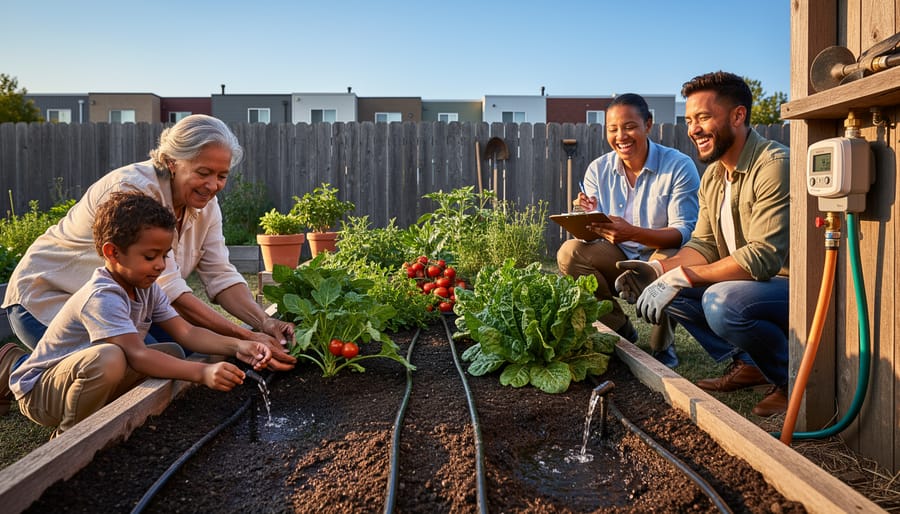
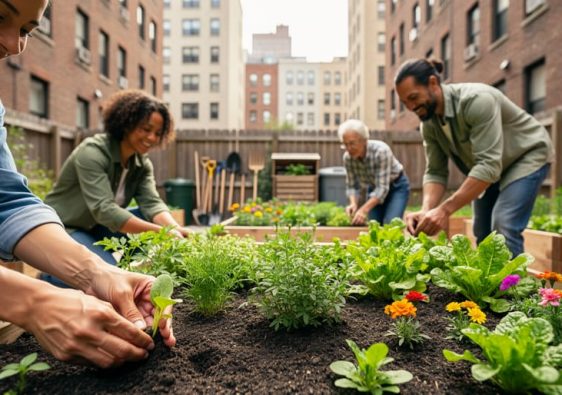
Community gardens serve as living laboratories where farming innovations become accessible teaching tools. Vertical growing structures let multiple households cultivate food in shared spaces, while rainwater collection systems demonstrate sustainable water practices to neighborhood residents. Simple drip irrigation setups show beginners how consistent moisture leads to healthier plants with less effort. Soil-building techniques like communal composting bins turn kitchen scraps into rich amendments, closing the waste loop while improving yields.
These innovations transform gardens into hubs for hands-on learning and skill-sharing. At the Mattapan Food and Fitness Coalition’s growing spaces, combining raised beds with moisture sensors and companion planting guides helped increase harvest weights by 40% in two seasons while engaging twice as many volunteers. Weekend workshops taught families to monitor soil conditions and select crop pairings, building confidence and knowledge that participants carried home to their own plots.
Educational programs gain momentum when people see tangible results from smart, resource-efficient methods. Weather stations mounted at garden entrances help growers time plantings, while shared pest monitoring logs reduce crop losses through early intervention. The collaborative aspect matters as much as the technology: when neighbors learn together how to optimize watering schedules or build wicking beds, they develop problem-solving skills and deepen community bonds. People eager to join community gardens often discover that these innovation-forward spaces offer both abundant harvests and rich learning experiences that extend far beyond the growing season.
Small-Scale Commercial and Market Gardens
Local growers across cities are turning farming innovations into viable businesses that feed their neighborhoods while building economic independence. These small commercial operations prove you don’t need sprawling acreage to run a profitable farm, just smart systems and community connections.
Market gardeners are combining multiple innovations to maximize output on compact urban lots. A typical quarter-acre operation might use drip irrigation to cut water costs, high-density planting techniques to triple yields, and season extension hoops to harvest greens through winter. One Boston-area grower transformed a former parking lot into a hydroponic microgreens business, supplying twelve restaurants and two farmers markets from just 2,000 square feet of growing space.
The economic model works because innovations reduce the resource inputs that typically eat into profits. Automated irrigation systems save labor hours. Vertical growing racks multiply productive space without additional land costs. Composting systems turn neighborhood food scraps into free soil amendments while solving a community waste problem.
These businesses strengthen local food security in concrete ways. When a neighborhood has three small commercial growers instead of relying entirely on supermarket supply chains, residents gain access to ultra-fresh produce picked that morning, seasonal variety that reflects what grows best locally, and the resilience that comes from diversified food sources. The growers themselves create jobs, mentor apprentices, and often donate surplus to food pantries, turning innovations into community assets that reach beyond the farm gate.
Getting Started with Farming Innovations in Your Space
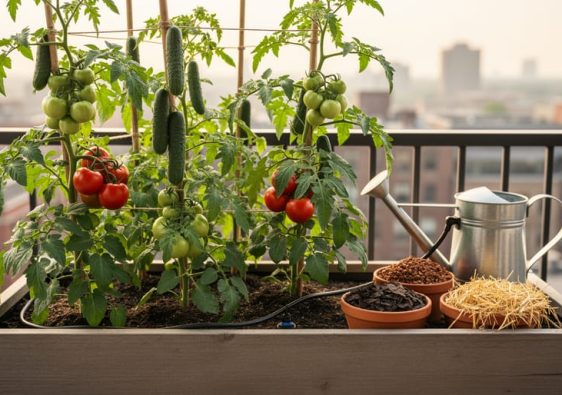
Starting small is the best way to incorporate farming innovations without feeling overwhelmed. Pick one challenge you’re already facing, whether it’s inconsistent watering, limited space, or poor soil, and choose a single innovation that addresses it directly. A simple drip irrigation timer can solve watering issues for under $50, while a vertical trellis system maximizes growing area in tight spots for even less.
You don’t need a large budget to begin. Many innovations can be DIY projects using recycled materials: plastic bottles become self-watering containers, pallets transform into vertical gardens, and kitchen scraps fuel homemade compost bins. Start with free or low-cost solutions to build your skills and confidence before investing in more advanced systems. Community gardens often share resources and knowledge, making expensive technology accessible through group purchases or shared equipment.
Focus on innovations that match your available time and experience level. Beginners might start with moisture sensors that take the guesswork out of watering, while experienced gardeners could experiment with vermicomposting or hydroponic setups. The key is choosing systems you can maintain consistently rather than elaborate projects that become frustrating.
Space constraints actually drive creativity. Container gardens, wall-mounted planters, and stackable tower systems all qualify as innovations that overcome challenges specific to urban environments. Even a sunny windowsill supports microgreens or herbs grown in simple hydroponic jars.
Track what works in a basic notebook or gardening app. Document which innovations deliver results and which need adjustment for your specific conditions. This practical learning beats theoretical research every time, and you’ll develop the hands-on expertise that makes scaling up feel natural rather than daunting.
Common Questions About Farming Innovations
Are farming innovations expensive to implement?
Many innovations start at minimal cost, composting bins, rain barrels, and basic drip irrigation can each be set up for under $50, often using recycled materials. You can scale up with continued innovation as your skills and budget grow, adding technologies when they genuinely solve problems you’re facing.
Which innovations should beginners try first?
Start with composting and simple water conservation methods like mulching or collecting rainwater. These foundation practices improve soil health and reduce waste without requiring technical knowledge, and they’ll teach you valuable lessons about your specific growing conditions.
Do I need technology to grow food successfully in the city?
Absolutely not. Technology tools can help optimize results, but traditional methods enhanced with basic innovations like composting and crop rotation work beautifully in urban spaces. Focus on understanding your plants’ needs rather than accumulating gadgets.
How much time do these innovations require for maintenance?
Most resource-management innovations actually reduce maintenance once established, automated drip systems mean less daily watering, and healthy compost-enriched soil needs less frequent intervention. The initial setup takes effort, but the ongoing care often becomes simpler than conventional methods.
Don’t feel pressured to adopt every innovation at once. The urban gardeners who thrive typically choose one or two methods that address their biggest challenges, master those approaches through a growing season, then gradually expand their toolkit. Local community gardens and extension programs often host hands-on workshops where you can see innovations in action and ask experienced growers specific questions about your situation before investing time or money.
Farming innovations aren’t just about the latest technology or complex systems. They’re practical tools that help urban growers work smarter, conserve resources, and build healthier communities. Whether you’re managing a small balcony garden or coordinating a neighborhood growing space, these innovations can make your efforts more productive and sustainable while reducing the time and resources needed to succeed.
The beauty of this movement is that you don’t need to adopt everything at once. Start with one innovation that addresses your biggest challenge, learn from the experience, and expand from there. Connect with local gardening groups, community organizations, and fellow growers who can share what’s working in your area. Many have discovered solutions through trial and collaboration that no single person could have developed alone.
As more urban residents embrace innovative approaches to growing food, we’re collectively building more resilient cities. Each garden that adopts water-saving techniques, each community plot that regenerates soil, and each neighborhood that shares knowledge contributes to a broader transformation. Together, we’re proving that sustainable, productive agriculture belongs in our cities and that the future of urban food systems grows from the ground up.