janet
janetClip farming is the practice of reposting short video clips from other creators on social media platforms to generate views, engagement, and revenue without creating original content. The strategy has exploded in popularity since early 2026, with some Gen Z creators reportedly earning millions by republishing viral moments, gaming highlights, or trending snippets under their own accounts.
While the term sounds agricultural, clip farming has nothing to do with growing food. It’s a digital content strategy that treats viral video clips like crops to be harvested, reposted, and monetized. Brands now pay creators to repost content, turning what was once considered simple copying into a structured business model.
This practice raises important questions for anyone who creates content online, including urban farming enthusiasts who share garden tutorials, sustainability tips, and community growing projects. If you’ve posted a popular gardening video on TikTok or Instagram, you may have unknowingly become part of someone else’s clip farming operation.
This article breaks down exactly what clip farming is, how it works, the different types you’ll encounter, and why understanding this phenomenon matters for content creators in the sustainable living space. Whether clip farming represents legitimate content curation or crosses into territory that undermines original creators remains hotly debated across social platforms.
What Clip Farming Means
Clip farming is the practice of reposting or repurposing short video clips from other creators’ content to build an audience and generate revenue on social media platforms. Instead of filming original content, clip farmers extract viral moments, trending sounds, or popular segments from existing videos, often on TikTok, Instagram Reels, or YouTube Shorts, and share them on their own accounts.
The term gained widespread attention in April 2026 when a TikTok video explaining the practice went viral. That video, titled with phrases like “What Does Clip Farming” and “Clip Farming Sound,” helped bring the phenomenon into mainstream conversation as more people noticed accounts dedicated entirely to reposted content.
- Clip farming
- The systematic practice of reposting short video clips from other creators to build an audience and monetize content without creating original material.
- Reposting
- Sharing someone else’s video content on your own account, sometimes with minimal or no changes to the original clip.
- Content repurposing
- Taking existing video segments and re-editing or recontextualizing them, which can range from thoughtful curation to simple copying.
- Viral clips
- Short video moments that spread rapidly across social platforms, often becoming targets for clip farmers seeking easy engagement.
- Creator attribution
- Crediting the original content creator, a practice that separates ethical curation from exploitative reposting.
Why is it called farming? The term mirrors agricultural language: just as farmers cultivate crops, clip farmers “harvest” content created by others. They treat viral moments as a renewable resource, extracting value from the creative work of original creators. Some accounts post dozens of clipped videos daily, building entire channels on this harvested content.
Unlike original content creation, which requires filming, editing, and creative development, clip farming focuses on identifying what has already proven successful and redistributing it. The practice exists in a gray area between content curation and unauthorized reposting, with results that vary widely based on how the clips are used and whether creators receive credit.
How Clip Farming Works
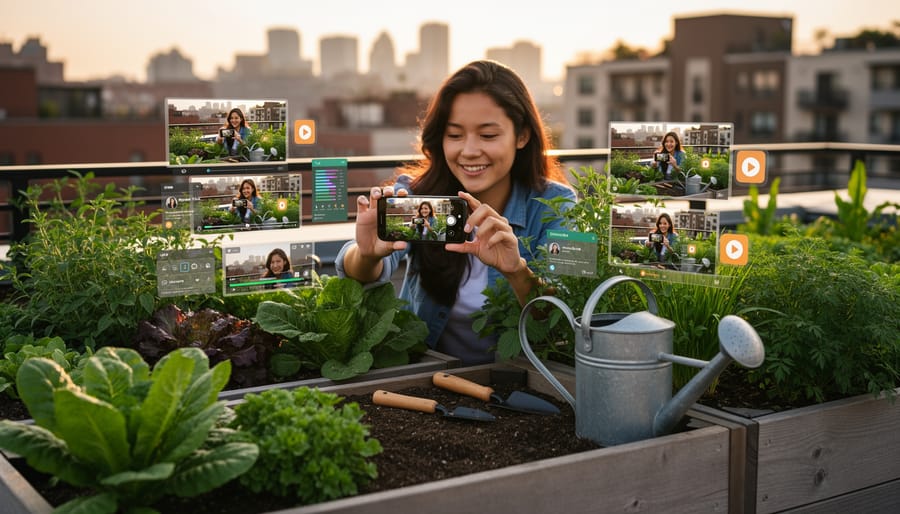
The mechanics of clip farming follow a straightforward process that has turned simple content reposting into a monetization strategy across social media platforms.
First, someone practicing clip farming identifies trending or viral content, typically short videos that are gaining traction on platforms like TikTok, Instagram Reels, or YouTube Shorts. They look for moments that resonate with audiences: funny reactions, dramatic scenes, surprising reveals, or educational snippets that people want to watch repeatedly. The April 2026 TikTok video that helped popularize the term demonstrated how quickly these clips can spread once they gain momentum.
Next comes the extraction phase. The clip farmer downloads or captures these short segments, pulling out the most engaging portions, usually just a few seconds to a minute long. They’re looking for the peak moment, the quotable line, or the visual that made people stop scrolling.
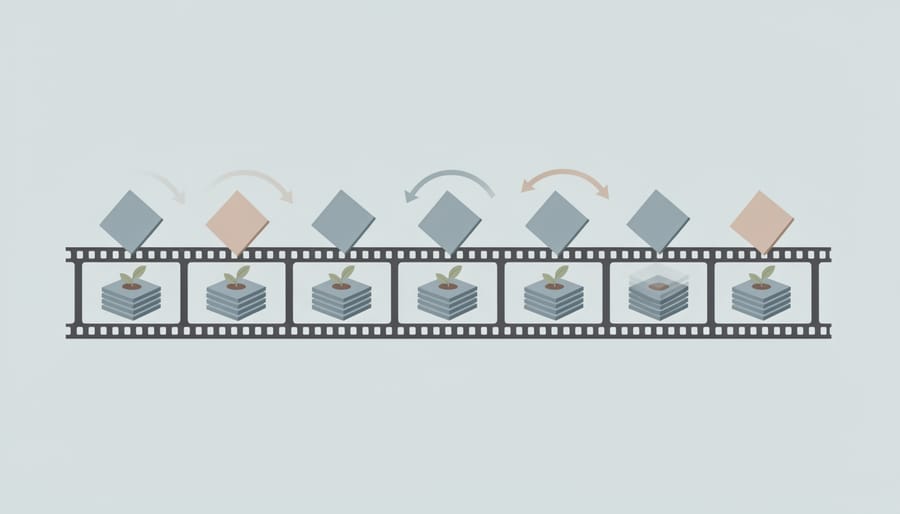
The re-editing step varies widely. Some clip farmers post the content almost exactly as they found it, changing only minimal elements like adding text overlays, background music, or their own watermark. Others create compilations, mixing multiple clips around a theme. Some add commentary, reaction frames, or context that transforms the original in more substantial ways.
Once edited, they upload the clip to their own account. The strategy often involves posting frequently, sometimes dozens of clips per day, to maximize the chances that something catches fire with the algorithm. Volume becomes part of the approach.
Monetization happens through several channels. Platform payment programs reward views and engagement with direct payouts. As accounts grow, brand deals become possible, with companies paying to have their products featured or mentioned. The verified claims that some creators are making significant income and that brands are paying for reposted content reflect how this practice has developed into a business model. Audience growth itself becomes valuable, creating potential for merchandise sales, affiliate marketing, or expanding into original content once the follower base is established.
Different Approaches to Clip Farming
Clip farming isn’t one-size-fits-all. The practice exists on a spectrum, from thoughtful curation that adds value to outright content theft. Understanding these different approaches helps you recognize what’s happening when your urban farming videos start appearing on other accounts.
At the more ethical end, some creators build curated compilations that serve a genuine purpose. These aggregator accounts collect clips around specific themes, say, gardening tips or sustainability hacks, and credit the original creators in captions or comments. They function like digital magazines, introducing audiences to content they might not otherwise discover. When done well, this approach can boost visibility for smaller creators whose rooftop garden tutorials or composting guides deserve wider reach.
Reaction content sits in the middle ground. A creator watches someone else’s video on screen while recording their own response, adding facial expressions, commentary, or critique. These videos technically transform the original material by layering new perspective, though the line between fair use and exploitation often blurs depending on how much original insight the reactor provides.
Commentary channels operate similarly but typically offer deeper analysis. A sustainability educator might dissect viral gardening trends, explaining which techniques actually work in urban settings. The original clips serve as jumping-off points for educational content rather than being the main attraction.
The main types of clip farming approaches include:
- Curated compilations with proper attribution and thematic organization
- Reaction videos featuring on-screen responses to original content
- Commentary content that analyzes or educates using clips as examples
- Fan pages celebrating creators or communities through shared highlights
- Direct reposts with minimal or no transformation or credit
At the exploitative end are pure repost accounts that lift content wholesale, change nothing meaningful, and provide no attribution. These accounts exist solely to monetize other people’s work. When your community garden success story gets reposted without credit, you lose both recognition and potential followers who might have supported your local initiative.
The distinction matters because context shapes impact. A fan page sharing your vertical farming setup to celebrate your technique differs fundamentally from an anonymous account strip-mining your content for quick monetization.
Who Uses Clip Farming and Why
Clip farming attracts a diverse mix of participants, each drawn by different opportunities the practice offers. Gen Z creators use it as a rapid pathway to build follower counts and establish social media presence without needing advanced video production skills or equipment. The low barrier to entry means anyone with a smartphone and basic editing knowledge can start curating and reposting viral moments, often gaining traction far faster than they would creating original content from scratch.
Brands have recognized clip farming’s viral reach potential and are actively paying creators to repost their content. This arrangement gives companies exposure to new audiences through accounts that already have engagement momentum, while creators earn income without producing original material. Some Gen Z participants are reportedly making substantial money from this model, turning the reposting of short edits into profitable ventures.
Fan communities and aggregator accounts represent another major user group. These accounts celebrate specific content niches, compile highlights, or track trending moments within particular interest areas. For instance, someone passionate about sustainability might create an account that curates clips about urban farming companies and eco-friendly practices, building an audience around shared environmental values. The practice allows enthusiasts to participate in content creation ecosystems without needing to generate everything themselves, though it raises ongoing questions about attribution and creator compensation that the broader digital community continues to debate.
What Clip Farming Means for Urban Farming Content Creators
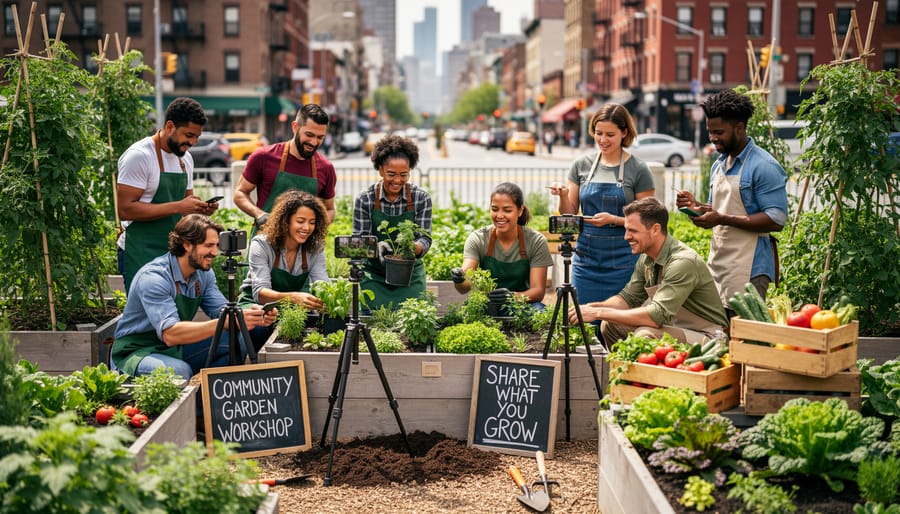
If you share urban farming content online, whether you’re documenting your community garden’s progress, teaching composting techniques, or showcasing rooftop harvests, you may eventually encounter clip farming firsthand. Someone might repost your tomato-pruning tutorial without credit, or an aggregator account could feature your compost bin setup in a viral compilation. Understanding this practice helps you navigate these situations thoughtfully.
When your content gets reposted, it’s not always negative. A well-attributed clip shared by a popular gardening account can introduce your work to thousands of new community members interested in sustainable living. Some creators welcome this exposure, viewing it as free marketing for their urban farming programs or local initiatives. Others prefer to maintain control over how their educational content spreads.
You can take practical steps to protect your work. Watermark videos with your organization’s name, include branding in visual frames rather than just captions, and clearly state your content usage preferences in your profile. Most platforms let you report unauthorized reposts, though enforcement varies.
There’s also an ethical opportunity here. If you curate clips from other urban farming educators, adding genuine commentary about techniques, connecting community resources, or explaining sustainability principles, you’re using the clip farming model to spread valuable knowledge rather than simply chasing views. Credit creators clearly, add real educational value, and focus on building community rather than monetization.
The key is authenticity. Urban farming thrives on collaboration and shared learning, values that should guide how you engage with social media content strategies.
Common Questions About Clip Farming
What does clip farming mean in simple terms?
Clip farming is the practice of reposting or repurposing short video clips from other creators’ content on social media platforms. It involves taking viral or trending moments and sharing them on your own account, sometimes with minimal changes or commentary.
Is clip farming legal?
Clip farming exists in a legal gray area. While reposting content without permission may violate copyright law or platform terms of service, enforcement varies widely and many platforms haven’t established clear policies specifically addressing this practice.
How do clip farmers make money?
Clip farmers monetize through platform creator funds, brand partnerships, and sponsored content. As verified claims suggest, brands are paying people to repost content, and some Gen Z creators are earning substantial income by building large audiences through curated or aggregated clips.
Does clip farming hurt original creators?
The impact depends on how it’s done. Respectful clip farming that credits creators and drives traffic back to original sources can benefit everyone, while exploitative reposting without attribution diverts views, engagement, and potential revenue from the people who made the content.
Can I prevent my content from being clip farmed?
Complete prevention is difficult, but you can add watermarks to videos, regularly monitor where your content appears, and file takedown requests when unauthorized use violates platform policies. Building your own strong presence also helps audiences find your original work.
For urban farming advocates sharing urban gardening basics or documenting how you build a green community understanding these digital practices helps you navigate the social media landscape more effectively. When your composting tutorial or rooftop garden tour gets reposted, you’ll know whether someone’s genuinely spreading awareness about urban agriculture in Boston or simply using your work to build their own audience without acknowledgment.
Clip farming is fundamentally a social media content strategy, not an agricultural practice. As this digital phenomenon grows in 2026, understanding how content moves and multiplies across platforms helps anyone sharing knowledge online, including urban farming advocates documenting their sustainability work. Whether you’re showcasing a community garden project or teaching composting techniques, you’ll likely encounter this reposting ecosystem.
The practice raises real questions about creator rights, content attribution, and authentic community building. Urban Garden Boston’s mission centers on collaboration and education, values that extend to how we share stories digitally. When you document your urban farming journey, consider both protecting your original work and thoughtfully curating content that spreads sustainable living knowledge with proper credit.
Authentic storytelling builds stronger communities than chasing viral moments through others’ clips. Share your urban farming experiences honestly, credit fellow creators generously, and focus on meaningful connections over quick growth. That approach honors both the content you create and the collaborative spirit that makes urban farming movements thrive.