janet
Environmental social impact describes the measurable improvement in community wellbeing that emerges when environmental initiatives address both ecological health and human needs simultaneously. When a neighborhood transforms an abandoned lot into a thriving community garden, the benefits ripple far beyond cleaner air and increased green space. Residents gain access to fresh produce, children learn where food comes from, neighbors build relationships across cultural divides, and local employment opportunities take root alongside the tomatoes and kale.
This dual benefit isn’t accidental. The most effective environmental projects recognize that healthy ecosystems and healthy communities grow together. A rain garden that prevents stormwater pollution also becomes a gathering place for elderly residents. Urban tree-planting programs that cool neighborhoods during heat waves simultaneously create youth job training programs. Rooftop gardens that reduce building energy costs provide fresh ingredients for food banks serving vulnerable populations.
Understanding environmental social impact matters now more than ever. Urban areas face mounting pressure from climate change, food insecurity, social isolation, and economic inequality. Traditional approaches that tackle these challenges separately often fall short or prove financially unsustainable. When we design environmental solutions with social outcomes built in from the start, we create projects that communities champion, fund, and sustain long-term.
The concept shifts how we measure success. Instead of counting only carbon sequestered or square feet of habitat restored, we also track improved health outcomes, stronger neighborhood connections, increased food security, and expanded economic opportunity. This broader view reveals why some environmental efforts flourish while others languish after initial funding ends.
Whether you’re curious about making a difference in your neighborhood, seeking partnership models for your organization, or simply wondering how environmental work translates into tangible community benefits, the stories and strategies ahead demonstrate proven pathways forward.
What Environmental Social Impact Really Means in Your Neighborhood
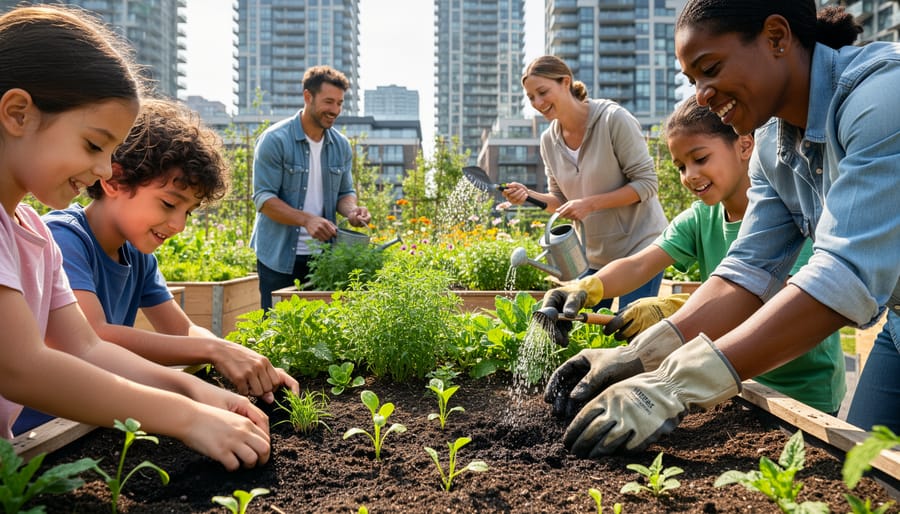
Environmental social impact is what happens when a greening project does double duty, it heals the environment and strengthens the people who live there. Think of it this way: when your neighborhood transforms a vacant lot into a community garden, you’re not just planting vegetables. You’re creating a gathering place where neighbors meet, kids learn where food comes from, and families gain access to fresh produce that might otherwise be out of reach or unavailable nearby.
This concept rests on a simple truth: environmental health and community wellbeing are inseparable. A tree-planting initiative cools sidewalks and cleans air, but it also provides shade for residents without air conditioning and creates safer walking routes. A rain garden manages stormwater runoff while becoming a teaching tool for local schools and a point of neighborhood pride.
- Environmental Social Impact
- The combined benefits that occur when environmental projects simultaneously improve ecological health and strengthen community wellbeing, creating value for both people and planet.
- Triple Bottom Line
- A framework measuring success across three dimensions: environmental stewardship, social equity, and economic viability, rather than profit alone.
- Community Resilience
- The capacity of a neighborhood to withstand and recover from challenges, whether economic downturns, climate events, or social disruption, through strong relationships, shared resources, and local solutions.
- Food Sovereignty
- The right of communities to control their own food systems, deciding what they grow, how they grow it, and who has access to it.
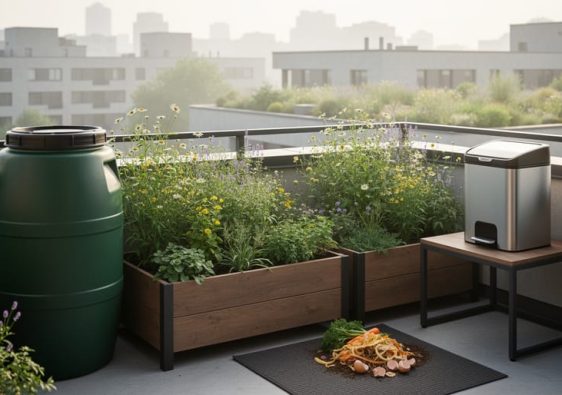
In practice, these ideas show up in everyday projects. A rooftop garden at a community center provides healthy food while reducing the building’s energy costs and giving residents a peaceful retreat. A neighborhood composting program diverts waste from landfills, enriches soil for local gardens, and creates volunteer opportunities that connect people across age and background. Green corridors linking parks offer safe bike routes while supporting urban wildlife and increasing property values.
The beauty of environmental social impact work is that it meets people where they are. You don’t need a degree in ecology to participate, and the benefits reach everyone, from the elder who finds companionship tending tomatoes to the teen gaining job skills through a youth greening crew.
The Ripple Effects: How Green Spaces Transform Communities
Building Healthier, More Connected Neighborhoods
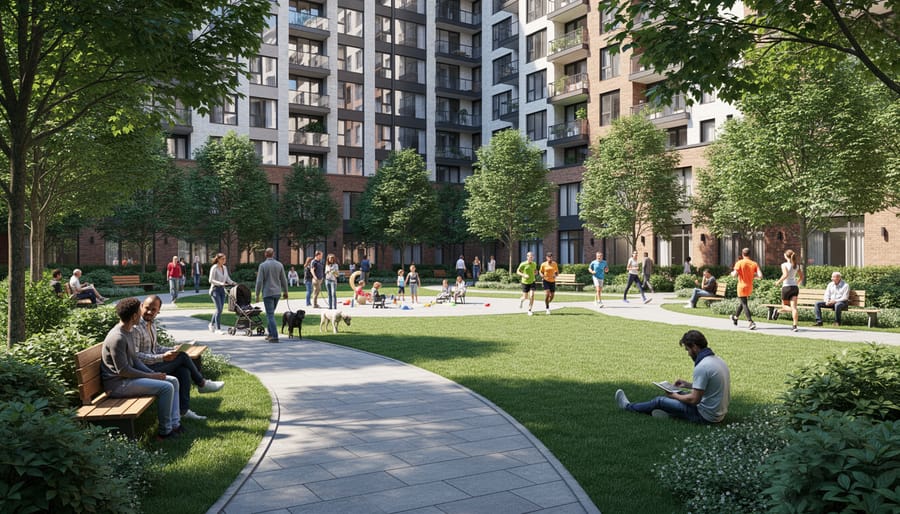
When people living alone gain access to green spaces, something remarkable happens. Research on green space and mental health shows measurable improvements in wellbeing, particularly through the casual connections that form when neighbors encounter each other while tending plants or simply enjoying a shared garden.
These aren’t scripted interactions. They’re the organic conversations that start when someone admires your tomatoes or asks about that unusual herb you’re growing. Over weeks and months, these brief exchanges build familiarity. That familiar face becomes someone who waters your plot when you’re away, who shares seedlings, who knows your name.
The physical benefits run deeper than you might expect. Urban green projects demonstrably improve green infrastructure and air quality filtering pollutants that disproportionately affect city neighborhoods. But there’s also the movement itself. Gardening gets people outside, bending, lifting, walking between plots. It’s exercise that doesn’t feel like exercise, because you’re focused on whether those peppers need harvesting.
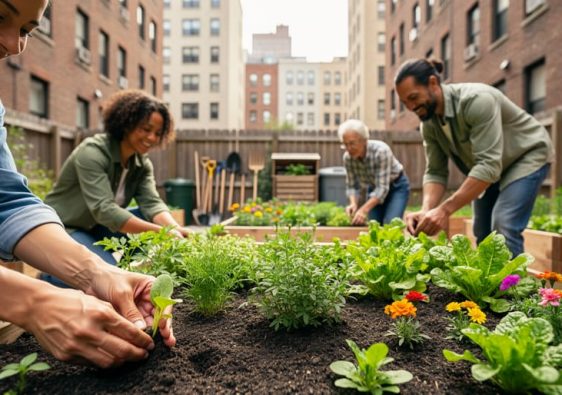
What makes these spaces truly transformative is their democracy. A community garden doesn’t care about your job title or how long you’ve lived in the neighborhood. The retired teacher and the recent immigrant bond over pest control strategies. Teenagers earning service hours work alongside grandparents sharing decades of growing wisdom. Language barriers fade when you’re both fighting the same aphid invasion.
These green spaces become the neighborhood’s living room, especially in areas where private yards are rare. They’re where parents chat while kids explore, where evening walks naturally pause, where isolated individuals find their people. The environmental work creates the excuse; the human connections are what keep people coming back.
Creating Economic Opportunity Where It’s Needed Most
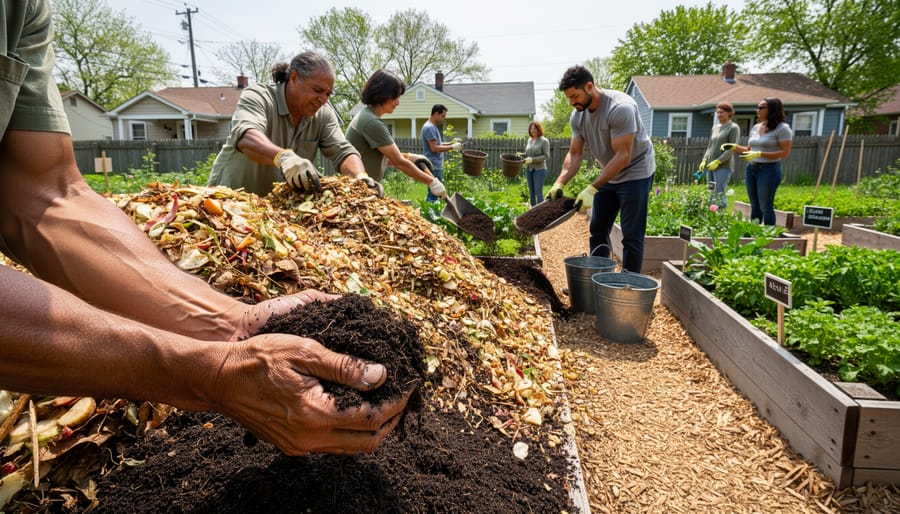
Urban environmental initiatives don’t just beautify neighborhoods, they create jobs and build economic pathways in communities that often need them most. When a vacant lot transforms into a community garden or a neighborhood launches a composting program, they’re not only addressing environmental challenges. They’re generating real employment opportunities that keep resources circulating locally.
These projects create diverse roles across skill levels. Someone might start as a garden assistant learning basic horticulture, then advance to managing volunteer teams or coordinating farmers markets. Others find work in green infrastructure maintenance, urban forestry, or environmental education. The beauty lies in accessibility: many positions require enthusiasm and willingness to learn rather than formal credentials, opening doors for residents facing traditional employment barriers.
Environmental work offers dignified employment that lets people earn a living while visibly improving the place they call home.
Workforce development programs embedded in environmental initiatives teach transferable skills that extend far beyond gardening. Participants gain project management experience, learn budgeting and planning, develop customer service abilities at farm stands, and build teamwork capacities. These competencies translate to other industries, making environmental work a genuine career springboard.
The economic impact ripples outward. When neighborhoods produce food locally, money stays in the community instead of flowing to distant corporations. Small businesses emerge around these projects, artisan growers selling at markets, workshops teaching preservation techniques, value-added product makers sourcing local ingredients. Local purchasing power strengthens, creating a more resilient economic ecosystem.
Environmental social impact initiatives prove that ecological restoration and economic justice aren’t competing priorities. They’re deeply interconnected, especially in urban areas where unemployment and environmental degradation often concentrate in the same zip codes. By addressing both simultaneously, these projects build communities that are greener, stronger, and more economically vibrant.
Strengthening Local Food Systems and Food Justice
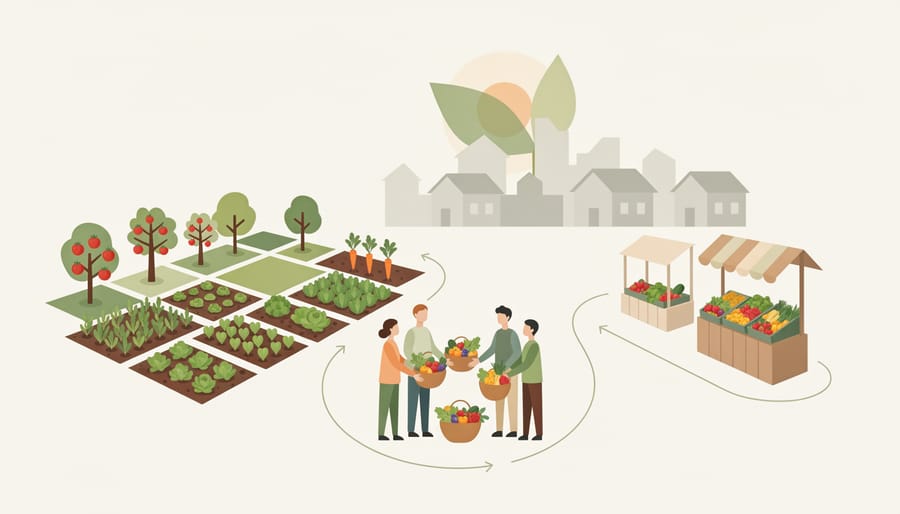
Urban agriculture tackles one of the most pressing inequities in cities: unequal access to nutritious food. When neighborhoods lack grocery stores offering fresh produce, residents face impossible choices between convenience and health. Community gardens and urban farms literally change the landscape by growing organic vegetables, herbs, and fruits where people live, walk, and gather.
These growing spaces do more than fill gaps in the food supply. They redistribute power over what gets grown, who benefits from the harvest, and how food reaches tables. A community managing its own garden plot decides to grow culturally relevant crops, sets affordable prices at neighborhood farm stands, and ensures surplus goes to families most in need. This reclaiming of the food system embodies food justice the principle that everyone deserves healthy food grown through fair, sustainable practices.
Urban farms also become living classrooms where children and adults learn where food comes from, how to prepare it, and why soil health matters. That knowledge travels home, shifts purchasing decisions, and builds food literacy that persists across generations. When communities grow their own food, they’re not just feeding themselves today, they’re cultivating resilience, self-determination, and a fundamentally different relationship with the land beneath their feet.
Real Stories: Environmental Social Impact in Action
In Boston’s Dorchester neighborhood, a vacant lot once strewn with debris has become the Codman Square Community Garden, a thriving half-acre space where over 60 families now grow vegetables, herbs, and community connections. The transformation started in 2019 when residents approached Urban Garden Boston with a simple vision: turn wasted space into something that could feed both bodies and spirits. Within its first three years, the garden has produced more than 4,000 pounds of organic vegetables, saved participating families an average of $800 annually on groceries, and created a gathering place where neighbors who’d lived on the same street for decades finally learned each other’s names.
The garden’s impact rippled beyond fresh produce. Teenagers from the neighborhood’s youth program built raised beds as part of a workforce development initiative, learning carpentry and sustainable agriculture while earning their first paychecks. Elder residents now mentor younger gardeners, passing down traditional growing techniques from their home countries while sharing stories that strengthen cross-generational bonds. The space hosts cooking classes teaching families how to prepare their harvests, monthly potlucks celebrating different cultural traditions, and quiet morning hours where community members find respite from urban stress.
Across town, the Martin Luther King Jr. School partnered with community volunteers to convert 2,500 square feet of asphalt into an outdoor learning laboratory. What began as a principal’s concern about students having nowhere green to play evolved into a comprehensive ecosystem featuring native pollinator gardens, rain gardens managing stormwater runoff, and vertical growing systems where students cultivate lettuce and herbs for the cafeteria. Science test scores improved 15% in the two years following the garden’s installation, but teachers point to subtler changes: students with behavioral challenges finding calm while tending plants, shy kids discovering confidence as garden ambassadors, and entire classrooms developing a sense of ownership over their school environment.
The project created unexpected community partnerships. Local restaurants now source microgreens from the students’ hydroponic system, teaching kids about farm-to-table economics while generating funds for garden expansion. Parent volunteers who started helping with weekend maintenance discovered their passion for landscaping and enrolled in professional horticulture training. The schoolyard, once locked after hours, now opens Saturday mornings so neighbors can learn composting techniques and swap seedlings, effectively extending the environmental and social benefits beyond school walls into the surrounding community.
Making It Work: The Essential Elements of Successful Initiatives
The most impactful environmental initiatives share four core elements that turn good intentions into lasting change.
Community ownership from the start matters more than any other factor. When residents help design, build, and maintain projects rather than receiving them as done deals, they invest personal pride and long-term commitment. This means gathering input before breaking ground, creating decision-making roles for neighbors who’ll use the space daily, and building in flexibility to adapt as community needs evolve. Projects that skip this step often struggle with vandalism, neglect, or simply sit unused because they don’t reflect what people actually need.
Strong partnerships multiply what any single group can accomplish alone. Successful initiatives connect community organizations, local businesses, schools, municipal agencies, and nonprofit networks. Each partner contributes different resources, land access, technical expertise, volunteer networks, materials, or funding. The strongest collaborations establish clear roles upfront and maintain regular communication. Looking at proven partnership examples reveals that diversity matters: pairing grassroots organizations with established institutions creates stability while keeping projects grounded in community priorities.
Sustainable funding requires creative blending of multiple sources. Relying on a single grant or donor creates vulnerability when that support ends. Thriving projects combine initial seed funding with ongoing revenue streams like produce sales, paid workshops, corporate sponsorships, and municipal support. Some generate income through event rentals or membership fees. Building a budget that covers basic maintenance costs, water, tools, seasonal supplies, prevents projects from fizzling once the excitement of launch fades.
Measuring impact in concrete terms keeps everyone motivated and accountable. Track both environmental metrics like pounds of produce grown or square feet of green space created, and social outcomes such as volunteer hours, community events hosted, or residents reporting stronger neighborhood connections. These numbers tell the story when seeking continued funding, attracting new partners, or inspiring other communities. Simple tracking systems work better than elaborate ones you’ll abandon, consistency matters more than sophistication.
Getting Started: Your Role in Environmental Social Impact
You don’t need a master’s degree in environmental science or a hefty budget to create meaningful environmental social impact in your neighborhood. What you need is a willingness to start where you are, with whatever resources and time you can offer. The beauty of urban environmental work lies in its accessibility, every contribution matters, from tending a single tomato plant to organizing a community-wide initiative.
Here’s a practical roadmap for getting involved, regardless of your current experience level:
- Join an existing community garden or environmental project in your neighborhood. Attend a volunteer day to learn the basics, meet like-minded residents, and discover what type of work resonates with you.
- Start small on your own property by replacing lawn space with native plants, creating a pollinator garden, or composting kitchen scraps. These individual actions demonstrate commitment and provide hands-on learning.
- Propose a pilot project at work, school, or a local organization, a rooftop herb garden, recycling upgrade, or educational workshop series about green eco solutions that improve urban living.
- Organize neighbors for a specific initiative like a street tree planting day, vacant lot transformation, or community composting hub. Focus on one achievable goal rather than overwhelming yourself with a massive vision.
- Form or join a coalition of community groups, local businesses, and government partners to tackle larger-scale projects that require diverse skills, sustained funding, and broader community buy-in.
If you’re representing an organization or business, consider how your existing resources can support environmental social impact. A restaurant might donate food scraps for community composting. A design firm could offer pro-bono planning for a neighborhood green space. A school could dedicate classroom time to student-led gardening projects that connect curriculum to real-world environmental challenges.
The most successful community environmental leaders often started by showing up consistently to someone else’s project before launching their own. They asked questions, learned from mistakes, and built relationships with neighbors who shared their values. You’re not expected to know everything on day one.
What matters most is taking that first step. Pick one action from the list above that aligns with your schedule, skills, and genuine interests. Environmental social impact grows from sustained commitment, not sporadic bursts of enthusiasm. Start small, stay consistent, and watch how your individual contribution becomes part of something much larger than yourself.
Navigating the Challenges (And Why They’re Worth It)
Every worthwhile community project faces obstacles, and urban environmental initiatives are no exception. The good news? These challenges have been solved before, and they will be again.
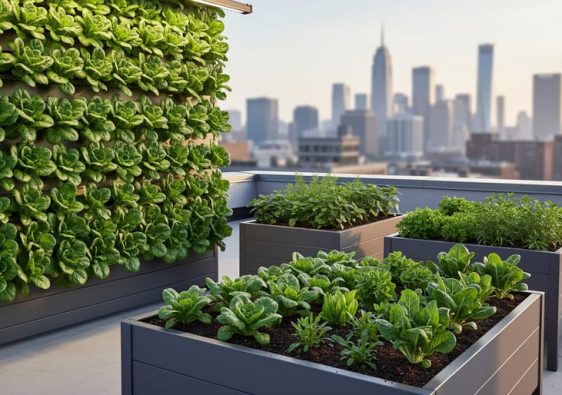
Limited space ranks high on the list. Urban lots are expensive, zoning restrictions can feel Byzantine, and available land often comes with strings attached. The solution lies in creative thinking rather than traditional plots. Vertical gardens transform walls into growing spaces. Rooftop installations turn unused surfaces into productive ecosystems. Partnerships with schools, churches, and businesses unlock spaces that would otherwise sit empty. Some of the most successful projects started with nothing more than a chain-link fence and permission to plant along its base.
Funding constraints test every initiative eventually. Grants run out, donation fatigue sets in, and maintenance costs never sleep. Successful projects diversify their income streams early: sliding-scale membership fees, plant sales, workshop revenues, and partnerships with local restaurants create financial resilience. Many communities discover that small, consistent contributions from invested members outperform sporadic large donations.
The commitment challenge might be the trickiest. Volunteers burn out, leadership turns over, and enthusiasm wanes when results take time. Building this into your planning rather than fighting it makes all the difference. Design systems that accommodate varying involvement levels. Create clear roles for monthly contributors and weekly regulars alike. When people join community gardens or environmental projects, they should find a place that matches their available time.
Seasonal maintenance in harsh climates presents physical challenges, but it also creates natural rhythms. Winter becomes planning season. Spring mobilizes energy. Summer builds momentum. Fall celebrates harvests and prepares for dormancy.
These obstacles aren’t roadblocks, they’re the terrain. Navigate them together, and they strengthen rather than diminish your impact.
The truth is this: every square foot of green space you create, every seedling you plant, every neighbor you invite to join you makes a difference that extends far beyond what you can see from your window. Environmental social impact isn’t measured solely in carbon sequestered or rainwater absorbed, though those matter. It’s measured in the teenager who discovers a passion for horticulture through a community garden program. In the elderly resident who finally has a reason to leave the house each morning. In the family that eats fresh vegetables for the first time in years.
Your urban neighborhood doesn’t need to wait for massive funding or government programs to begin this transformation. The projects making the most meaningful impact right now started exactly where you are: with one person who decided to act, then invited others to join. Whether you’re converting a neglected lot into a pollinator haven, organizing neighbors around a tree-planting initiative, or simply learning more about the biodiversity benefits of urban green spaces, you’re contributing to something larger than yourself.
The environmental challenges facing cities are real, but so is the capacity of communities to address them together. Start where you are. Use what you have. Connect with the people around you. The work of creating healthier, more resilient urban neighborhoods happens one action, one conversation, one planted seed at a time. Your community is waiting for someone to take that first step. Why not let it be you?