janet
janetContinued innovation in urban gardening means treating your plot as a living laboratory where small, deliberate experiments build on what you’ve already learned. The approach breaks through plateaus by testing one new variable at a time, whether that’s companion planting combinations, water-saving techniques, or season extension methods, then observing results and adjusting accordingly. This incremental process transforms setbacks into data points and keeps your garden productive year after year.
Most gardeners hit a wall after their first season. The early excitement fades when tomato yields drop, soil refuses to drain properly, or pests develop resistance to your go-to remedies. That frustration signals exactly the right moment to shift from following instructions to running your own trials. The key difference between gardeners who plateau and those who advance lies not in how much they know at the start, but in how systematically they test new ideas on a small scale before committing entire beds.
Boston’s community gardens offer countless examples of this mindset in action. A gardener in Dorchester tested three different mulch types in adjacent rows and discovered that leaf mold outperformed straw for moisture retention in her clay soil. Another grower in Jamaica Plain experimented with vertical trellising angles and increased cucumber production by 40% in the same footprint. These weren’t expensive overhauls or expert-level techniques. They were simple comparisons that generated real knowledge specific to local conditions.
The framework for continued innovation rests on three practices: document what you observe, change only one thing at a time, and share findings with fellow gardeners who face similar challenges.
What Continued Innovation Means in Your Urban Garden
Continued innovation in your urban garden isn’t about ripping everything out each spring or chasing every new gardening trend. It’s the practice of noticing what’s happening in your specific growing space, trying small adjustments, and building on what works season after season.
Think of it as learning your garden’s particular personality. Maybe you’ve discovered that tomatoes planted on your north-facing balcony get just enough morning light but struggle with afternoon heat reflected off the building across the street. Or you’ve noticed that certain herbs thrive in one corner of your rooftop while mysteriously failing three feet away. That’s your garden speaking to you about its microclimate, and continued innovation means listening and responding.
This approach differs sharply from constant overhaul. You’re not starting from scratch each year or implementing five new techniques at once. Instead, you’re making thoughtful, incremental improvements based on what you’ve observed. Last season, your kale bolted early. This season, you try a heat-tolerant variety or move those containers to a slightly shadier spot. That’s innovation rooted in your actual experience.
Urban environments shift constantly, new construction changes light patterns, soil depletes differently in containers than in-ground beds, and microclimates can vary dramatically within a single city block. Continued innovation acknowledges that your garden exists in this dynamic context. What worked beautifully three years ago might need adjustment now, not because you did something wrong, but because cities and gardens both evolve.
Why Urban Gardens Need Ongoing Innovation
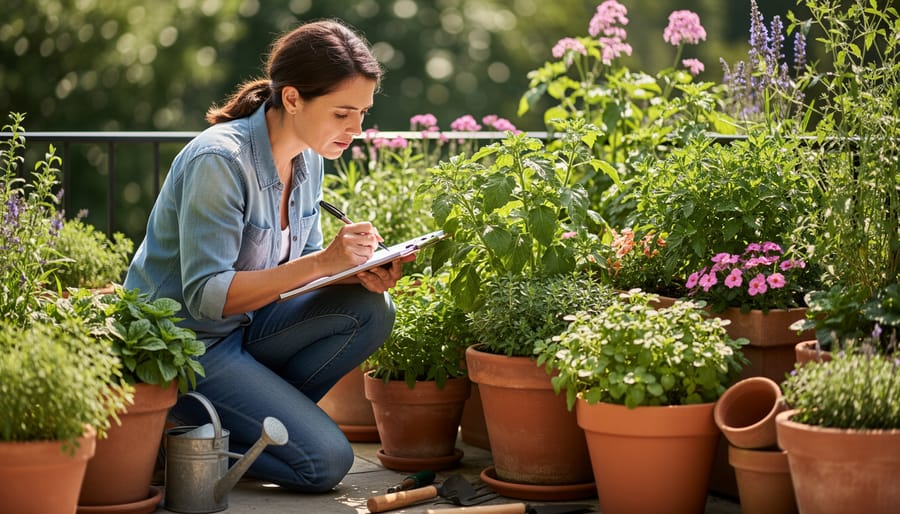
Urban gardens operate in a constant state of flux that suburban and rural plots rarely experience. That new condo going up two blocks away? It just changed your afternoon sun patterns. The tomatoes that thrived in full light last season may now spend their peak growing hours in shade as buildings change sunlight patterns across your rooftop or balcony. Neighborhoods evolve quickly in cities, and your garden needs to evolve with them.
Soil tells a different story each season in containers and raised beds. Unlike ground soil that connects to larger ecosystems, your garden’s soil is an isolated system that depletes faster. Nutrients wash out with every watering. Beneficial microbes struggle without the diversity of a larger soil web. What fed your lettuce beautifully in year one may leave it stunted by year three if you don’t learn to manage soil over time through amendments, compost additions, and rotation practices.
Pest pressures shift in ways that catch urban gardeners off guard. That aphid problem you conquered last June? The colony has adapted, or a different species has moved in with the neighbor’s new plantings. Urban microclimates create perfect overwintering spots for insects that rural cold would kill off. Without space to rotate crops significantly or establish diverse predator habitats, you need to monitor pests regularly and adjust your prevention strategies based on what actually shows up, not what the general gardening guides predict.
Climate change hits harder in cities where heat islands amplify temperature swings. Your spring planting window may have shifted two weeks earlier than it was five years ago. Sudden temperature spikes stress plants differently in containers than in ground soil, which buffers heat better.
These aren’t problems to solve once. They’re dynamic conditions requiring you to stay curious, test new approaches, and refine what worked last season into what will work this year.
Building Your Innovation Practice: Observe, Experiment, Adapt
Start With Observation, Not Overhaul
The best innovations in your urban garden start with a notebook and five minutes of looking, really looking, at what’s already happening.
Walk your space with fresh eyes each week. Which tomato plant produces twice as many fruits as its neighbor in identical conditions? That’s not random; something about its microclimate works better. Notice which containers dry out by noon versus those that stay moist until evening. These patterns tell you exactly where changes will make the biggest difference.
Track simple details: when aphids first appear (always the same week in spring?), which areas get true full sun versus dappled light, where seedlings stretch tall versus stay compact. Your observations become a personalized guide to what your specific space needs.
The insight most gardeners miss: you already have everything you need to innovate. That struggling basil plant isn’t a failure, it’s showing you that spot needs different drainage or less afternoon heat. Your thriving kale in the shadier corner reveals an opportunity to expand cool-weather crops there.
Before adding new systems or techniques, spend a month watching what you’ve got. The answers are growing right in front of you.
The One-Change Rule
When you’re eager to improve your garden, it’s tempting to try multiple new techniques at once. But that approach makes it impossible to know what actually worked.
The one-change rule is simple: introduce only one variable per growing cycle. This season, maybe you test a new tomato variety in just two containers while keeping everything else identical. Next season, you might experiment with a different soil amendment in one bed. By isolating changes, you create clear cause-and-effect connections.
This method builds genuine expertise. When your basil thrives after you adjusted watering frequency, you know that specific change made the difference. When container placement experiments show which spot gets optimal afternoon sun, you’ve gathered reliable data for future decisions.
Start small. Pick one aspect of your garden that hasn’t satisfied you, maybe germination rates, pest pressure, or harvest timing. Change just that one thing, document what happens, and give it a full season to show results. This disciplined approach feels slower than overhauling everything, but it’s how you develop the confidence and knowledge to innovate successfully year after year.
Real Boston Gardens: Innovation in Action
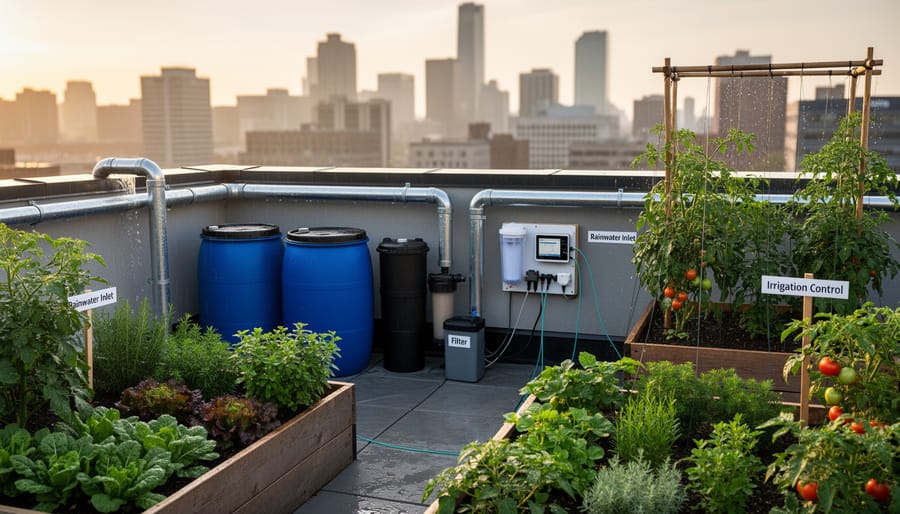
Innovation sounds abstract until you see it in someone’s backyard. These Boston gardeners figured out what works through patient observation and small changes over time.
Maria’s rooftop space in South Boston looked promising when she started three years ago. By mid-summer that first season, her containers were drying out twice daily despite frequent watering. Rather than give up, she spent the fall researching passive irrigation. The next spring, she added ollas, unglazed clay pots buried in her containers that seep water slowly. That helped, but heavy rains still overflowed her growing bags.
Season three brought her breakthrough: she connected her building’s downspout to a series of food-grade barrels, creating gravity-fed drip lines to each container. Now her plants receive consistent moisture even during August heat waves, and she’s cut her water bill by two-thirds. The system evolved piece by piece, not as a single ambitious overhaul.
The Dorchester Community Gardens faced different challenges. Plot holders noticed tomatoes and peppers struggled in the same beds year after year, while brassicas seemed fine. After comparing notes at a spring work day, they realized they’d all fallen into a pattern: tomatoes in summer, nothing in fall. Soil tests confirmed nitrogen depletion and a calcium imbalance from years of heavy feeders.
They designed a simple three-year rotation specifically for their site’s conditions: heavy feeders like tomatoes, then soil-building cover crops through fall and winter, then light feeders like lettuce and herbs. The difference showed up within two seasons. Yields improved, pest pressure dropped, and the soil actually got better over time instead of worse.
Jake gardens on a third-floor balcony in Jamaica Plain with exactly four feet of railing space. His first year, he managed three pots of herbs. Decent, but not exciting. He started wondering how climbers might work. He attached bamboo poles to his railing at angles, creating a trellis that extended upward rather than outward. Pole beans worked beautifully. The next season he added cucumbers on twine.
Now he grows vertically in layers: peas in early spring, beans in summer, and fall greens in hanging pockets below the climbers. His four linear feet produces more food than some ground-level plots twice the size. He figured it out by trying one new structure each season and keeping what worked.
None of these gardeners had special expertise. They just paid attention, changed one thing at a time, and built on what they learned.
Innovations Worth Trying in 2026
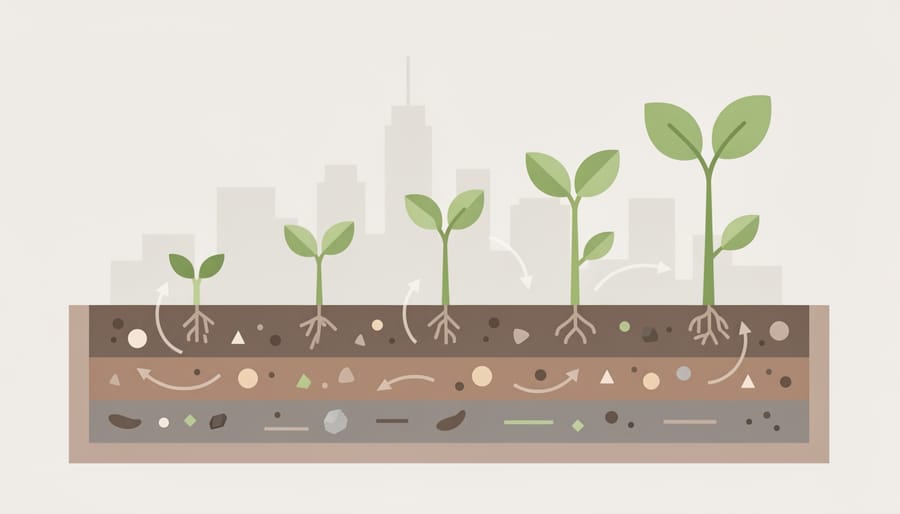
Urban gardening techniques evolve constantly, and several innovations have proven their worth in city gardens over recent seasons. These aren’t futuristic concepts requiring specialized equipment, they’re practical adaptations you can start testing this growing season.
Biochar has emerged as a game-changer for urban soils, particularly in areas where contamination concerns limit what you can grow safely. This charcoal-like material, made from burned organic matter, acts as a sponge in your soil, holding onto nutrients and water while providing habitat for beneficial microbes. You can buy it bagged or make small batches yourself from hardwood. Mix it into container soil or raised beds at about 10% by volume. Boston gardeners working with older urban lots have reported noticeable improvements in plant vigor after just one season of biochar use.
Pollinator corridors matter even on balconies. Instead of scattering flowering plants randomly, cluster them to create concentrated nectar sources that pollinators can actually find. A simple corridor might be three containers of successive-blooming flowers, spring bulbs giving way to summer herbs like basil and oregano, then fall asters. Native plants work harder in these setups because local pollinators recognize them immediately.
| Innovation | Difficulty | Space Needed | Primary Benefit |
|---|---|---|---|
| Biochar soil amendment | Easy | Any | Improved soil health, contaminant mitigation |
| Pollinator corridors | Easy | 3+ containers | Better pollination, increased yields |
| Season extension covers | Moderate | Flexible | 3-6 extra growing weeks |
| Wicking containers | Moderate | Any | Reduced watering, consistent moisture |
| Compost tea applications | Easy | Minimal | Living soil microbiome boost |
Season extension techniques have become more accessible and affordable. Simple hoop covers made from PVC pipe and clear plastic sheeting can add three to six weeks to both ends of your growing season. They’re particularly valuable for leafy greens and cool-weather crops that bolt quickly once summer heat arrives. You can build a basic structure for a 4×4 bed in an afternoon with supplies from any hardware store.
Water-wise container systems address the biggest hassle of urban container gardening: constant watering. Self-wicking containers with built-in reservoirs cut watering frequency in half during summer. You can retrofit existing pots by adding a perforated inner container suspended above a water reservoir, with fabric wicks drawing moisture upward as plants need it.
Building soil microbiome doesn’t require lab equipment. Weekly applications of diluted compost tea, basically compost steeped in water for 24 hours, introduces billions of beneficial bacteria and fungi that outcompete pathogens and help plants access nutrients. The smell takes getting used to, but the results show up in stronger root systems and healthier foliage within weeks.
Learning From What Doesn’t Work
Every urban gardener has walked out to find their lettuce bolted overnight, discovered aphids covering their tomato plants, or harvested three sad peppers after months of care. These moments sting, but they’re actually some of your most valuable teaching moments.
When something goes wrong in your garden, you’ve just learned something specific about your microclimate, soil, or growing conditions that no book could have told you. That early bolting? Your lettuce spot gets more afternoon sun than you realized, or spring heated up faster than expected. Those aphids appeared right after you fertilized heavily with nitrogen, which produces the tender growth they love. Three peppers instead of thirty means your container was too small, your soil lacked calcium, or those buildings blocked more sun than the “full sun” rating required.
The key is shifting from “I failed” to “what did I learn?” Start asking better questions. When did the problem first appear? What was different this season compared to last? Which plants in similar conditions thrived while others struggled? Write down your observations while they’re fresh. Next season, you’ll have actual data from your specific space instead of guessing.
The most experienced urban gardeners will tell you they’ve killed more plants than beginners have grown. The difference? They paid attention to why. Share your setbacks with other local growers. Someone in your community garden or at a Urban Garden Boston workshop has likely solved your exact problem in Boston’s unique conditions. Your disappointing harvest becomes someone else’s breakthrough when you talk about it openly.
Where to Find Fresh Ideas and Support
Finding support for your urban garden experiments doesn’t require reinventing the wheel alone. Boston’s gardening community offers multiple touchpoints for fresh ideas and collective wisdom.
University extension programs remain goldmines of regionally-appropriate information. UMass Extension provides research-backed guidance on everything from integrated pest management to soil testing, specifically adapted for New England conditions. Their urban agriculture resources address challenges you won’t find in generic gardening books.
Community garden networks connect you with growers facing identical microclimates and constraints. Visiting neighboring plots reveals what thrives in conditions similar to yours. Most community gardens hold monthly meetings where members share what worked, or spectacularly failed, that season.
Urban Garden Boston hosts regular workshops covering practical skills from season extension to pollinator support. These hands-on sessions let you learn techniques before committing resources to your own space. Our community builds connections between experienced growers and beginners, creating mentorship opportunities that accelerate your learning curve.
Online communities offer year-round support when you need quick answers. Regional Facebook groups and subreddit threads like r/BostonGardening provide hyperlocal knowledge, someone’s likely already experimented with that variety in similar conditions.
The most valuable resource remains other urban gardeners. Strike up conversations at farmers markets, garden supply shops, or neighborhood plots. Growers genuinely enjoy sharing discoveries, and you’ll often leave with seeds, cuttings, or techniques you’d never considered trying.
Your garden’s transformation from uncertain first-season plot to productive growing space happens through steady, deliberate innovation. Not dramatic overhauls, just consistent attention to what works, what struggles, and what might work better next time.
The difference between gardens that plateau after year one and those that improve season after season isn’t luck or special knowledge. It’s the willingness to observe, try one new thing, and learn from the outcome. That rooftop setup that now produces abundantly? It started with someone noticing a drainage problem and testing a solution. The community plot with perfect crop rotation? That came from three seasons of watching which plants left the soil richer.
Start small this growing season. Pick one observation to track, maybe which corner of your balcony gets the most sun, or when aphids typically appear. Or choose one simple experiment: a new companion planting combination, different mulch material, or earlier succession planting. Write down what you notice. That’s innovation.
You don’t have to figure everything out alone. Urban Garden Boston offers workshops, skill-shares, and a network of growers tackling the same challenges you face. Whether you’re working with contaminated soil, experimenting with vertical systems, or trying to extend your season, connecting with others who’ve tested these solutions speeds your learning curve.
Your urban garden can keep getting better, more productive, more resilient, more suited to your specific space, as long as you keep observing and adjusting. The innovation journey starts with whatever you try next.