janet
janetPicture this: a winemaker burying a cow horn filled with manure in the vineyard at autumn equinox, then unearthing it in spring to spray on grapevines according to lunar cycles. This isn’t ancient mysticism. It’s biodynamic farming, a holistic agricultural approach that’s transforming how conscious consumers think about wine.
Biodynamic wine goes far beyond organic certification. While organic farming eliminates synthetic pesticides and fertilizers, biodynamic viticulture treats the entire vineyard as a living, interconnected organism. Farmers follow a planting calendar based on celestial rhythms, create specific compost preparations using medicinal herbs, and maintain complete self-sufficiency on their land. The Demeter Association, the international certifying body founded in 1928, requires vineyards to meet strict standards including crop rotation, animal integration, and the use of nine traditional preparations that sound more like alchemy than agriculture.
The results speak for themselves. Biodynamic vineyards show increased soil biodiversity, stronger pest resistance, and grapes that express terroir with remarkable clarity. Top estates from Burgundy to California have converted to these methods, reporting healthier vines and more expressive wines that capture something indefinable about their place of origin.
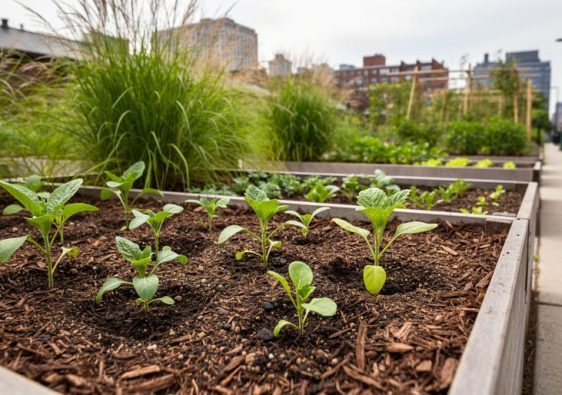
For urban gardeners in Boston, these same principles scale beautifully to balconies and backyards. You don’t need acres to experiment with compost teas, companion planting, or timing your planting with moon phases. The biodynamic philosophy reminds us that even small urban plots participate in larger natural rhythms, connecting your tomato plants to ancient agricultural wisdom that’s proving surprisingly relevant in 2026.
What Makes Biodynamic Wine Different from Organic Wine?
While organic wine avoids synthetic pesticides and fertilizers, biodynamic wine takes a more radical approach. Think of organic certification as a set of rules about what you can’t use; biodynamic farming is an entire philosophy about how you work with nature’s intelligence. For urban gardeners curious about these wines showing up at local shops, understanding this difference opens up fascinating possibilities for your own growing spaces.
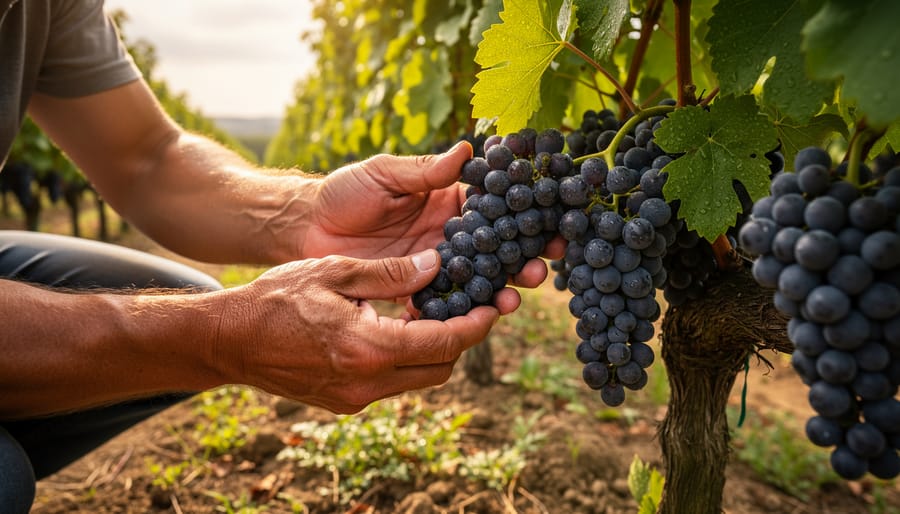
Biodynamic farming treats the vineyard as a living organism where everything, soil, plants, animals, even cosmic rhythms, interconnects. Developed in the 1920s by philosopher Rudolf Steiner, this approach views the farm not as a factory producing grapes, but as a self-sustaining ecosystem. Vintners apply specific preparations made from herbs, minerals, and manure at precise times, often following lunar and planetary cycles. Preparation 500, for instance, consists of cow manure fermented in a cow horn buried over winter, then stirred into water and sprayed on soil to enhance microbial life. It sounds esoteric, but thousands of vineyards worldwide report healthier vines and more expressive wines.
- Biodynamic Preparations
- Nine numbered compost and field sprays made from natural materials like yarrow, chamomile, and quartz, applied in tiny amounts to stimulate soil health and plant vitality. Think of them as homeopathy for the vineyard.
- Demeter Certification
- The internationally recognized standard for biodynamic products, requiring strict adherence to biodynamic farming principles and regular inspection. Vineyards and wineries must meet Demeter standards to legally call their wines biodynamic.
- Biodynamic Calendar
- A planting and harvesting guide based on lunar cycles and planetary positions, dividing days into root, flower, leaf, and fruit times. Many growers schedule pruning, bottling, and other tasks according to these rhythms.
- Farm-as-Organism
- The core concept viewing the entire property as an interconnected living system where soil, plants, animals, and humans work together in balance. This means growing your own compost materials and closing nutrient loops rather than importing inputs.
The certification difference matters. Organic standards focus primarily on eliminating harmful chemicals, which is valuable but limited. Biodynamic certification through Demeter demands that producers use care and craft while following the complete biodynamic method, including those unusual preparations, attention to cosmic rhythms, and treating the farm as a closed, self-nourishing system. A vineyard can be organic without being biodynamic, but every certified biodynamic vineyard surpasses organic standards.
For urban gardeners, this holistic thinking translates beautifully to small spaces. You’re already working with limited resources and closed systems, a balcony garden or community plot naturally becomes its own tiny organism when you compost your scraps, plant companions that support each other, and observe how moon phases affect your basil and tomatoes.
The Demeter Seal: What Certification Really Means
When you spot that distinctive blue and white Demeter seal on a wine bottle, you’re looking at more than a marketing badge. Demeter International sets the global standard for biodynamic certification, and earning that label requires wineries to meet rigorous criteria that go far beyond conventional organic practices.
To call a wine biodynamic, a vineyard must achieve full Demeter certification by adhering to the comprehensive Demeter Farm standards. This means the entire farm operates as a closed-loop system where at least 10% of the land serves biodiversity through hedgerows, ponds, or wildlife habitat. Vineyards must use the nine biodynamic preparations, follow lunar planting calendars, and eliminate synthetic pesticides and fertilizers completely. Demeter certifies producers and processors who demonstrate genuine care and craft in their methods, not just those who check boxes.
The certification process itself takes years. Vineyards undergo a three-year transition period where they adopt biodynamic practices while Demeter inspectors verify compliance through regular site visits and documentation reviews. These inspectors examine composting methods, preparation applications, and farm biodiversity. They review planting records against lunar calendars and test soil health markers. Once certified, annual audits ensure ongoing adherence.
Southbrook Vineyards in Ontario became Canada’s first Demeter-certified biodynamic winery, pioneering a path that other North American vineyards now follow. Their certification journey required transforming 150 acres into a living ecosystem with cover crops, composting facilities, and habitat corridors. The winery had to prove that every grape entering its cellar came from certified biodynamic vines and that even winemaking processes aligned with biodynamic philosophy.
For urban gardeners, this level of commitment offers a powerful model. While you won’t pursue Demeter certification for your backyard plot, the standards illuminate what holistic growing truly demands: patience, observation, and treating your space as an interconnected living system rather than a production unit.
How Biodynamic Principles Can Transform Your Urban Garden
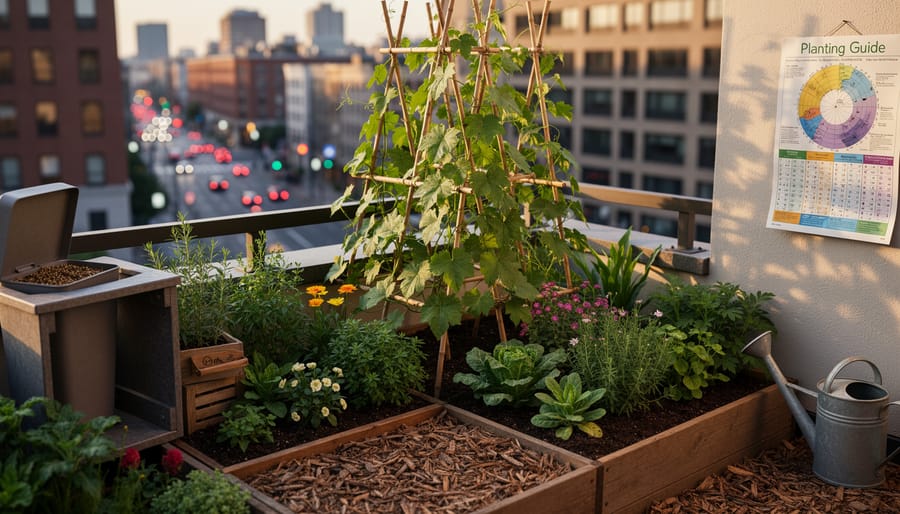
You don’t need acres of vineyard or a rural homestead to harness the power of biodynamic farming. The same principles that guide winemakers toward vibrant, living soils can transform a balcony container garden, a community plot, or a rooftop growing space. Urban gardeners across Boston are discovering that biodynamic methods, scaled and adapted thoughtfully, create thriving ecosystems even in the densest neighborhoods.
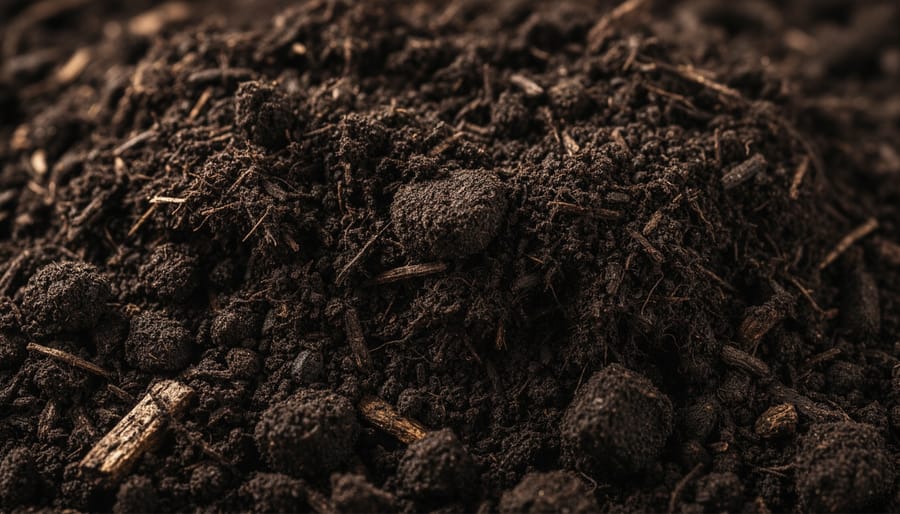
Start with your soil. Where biodynamic vineyards treat the land as a living organism, you can approach your containers and raised beds the same way. Build compost using kitchen scraps, autumn leaves from local parks, and coffee grounds from your favorite cafe. The goal is creating a closed loop where your garden feeds itself. Layer green materials with browns, keep the pile moist, and turn it regularly. If space allows, dedicate a corner bin to brewing compost tea, a liquid fertilizer that introduces beneficial microbes directly to plant roots.
Biodynamic farming relies on lunar rhythms to guide planting, pruning, and harvesting. You can apply this to your urban setup without fancy equipment. Plant leafy greens during waxing moons when moisture rises through soil. Save root crops for waning phases when energy concentrates below ground. A simple lunar calendar becomes your planting guide. The practice connects you to natural cycles often invisible in city life, and many urban farmers report better germination rates and healthier transplants once they align their work with these rhythms.
For those ready to master urban gardening through biodynamic techniques, consider these practical approaches:
- Add compost preparations like yarrow or chamomile to your pile, which accelerate decomposition and enhance nutrient availability
- Plant by moon phases, sowing seeds during favorable lunar periods for stronger germination
- Practice companion planting by pairing basil with tomatoes, marigolds with vegetables, and nasturtiums along container edges to deter pests
- Create habitat diversity with pollinator-friendly herbs, small water features, and layered plantings that attract beneficial insects
Companion planting takes on special importance in compact urban gardens. Where vineyard rows might have cover crops between vines, you can tuck marigolds among tomatoes, plant basil alongside peppers, and let nasturtiums trail from container edges. These partnerships deter pests, attract pollinators, and improve soil structure through varied root systems. A six-by-four community plot becomes a miniature ecosystem when you layer plants strategically.
Biodiversity matters as much on your fire escape as it does in a biodynamic vineyard. Install small bee hotels, scatter native wildflower seeds in unused corners, and let a patch go slightly wild. Birds, beneficial insects, and soil organisms arrive when you provide habitat. One Boston community garden added flowering herbs along pathways and saw cucumber beetle pressure drop within a single season as predatory insects moved in.
The biodynamic approach asks you to observe, experiment, and respond to what your specific growing space needs. Track which plants thrive when planted together. Notice how your soil changes as you feed it compost. Pay attention to pest patterns and weather shifts. This attentive relationship with your garden, however small, mirrors the philosophy that makes biodynamic wine so compelling. You’re not just growing vegetables. You’re cultivating a living system that becomes more resilient each season.
Boston’s Urban Gardeners Embrace the Biodynamic Mindset
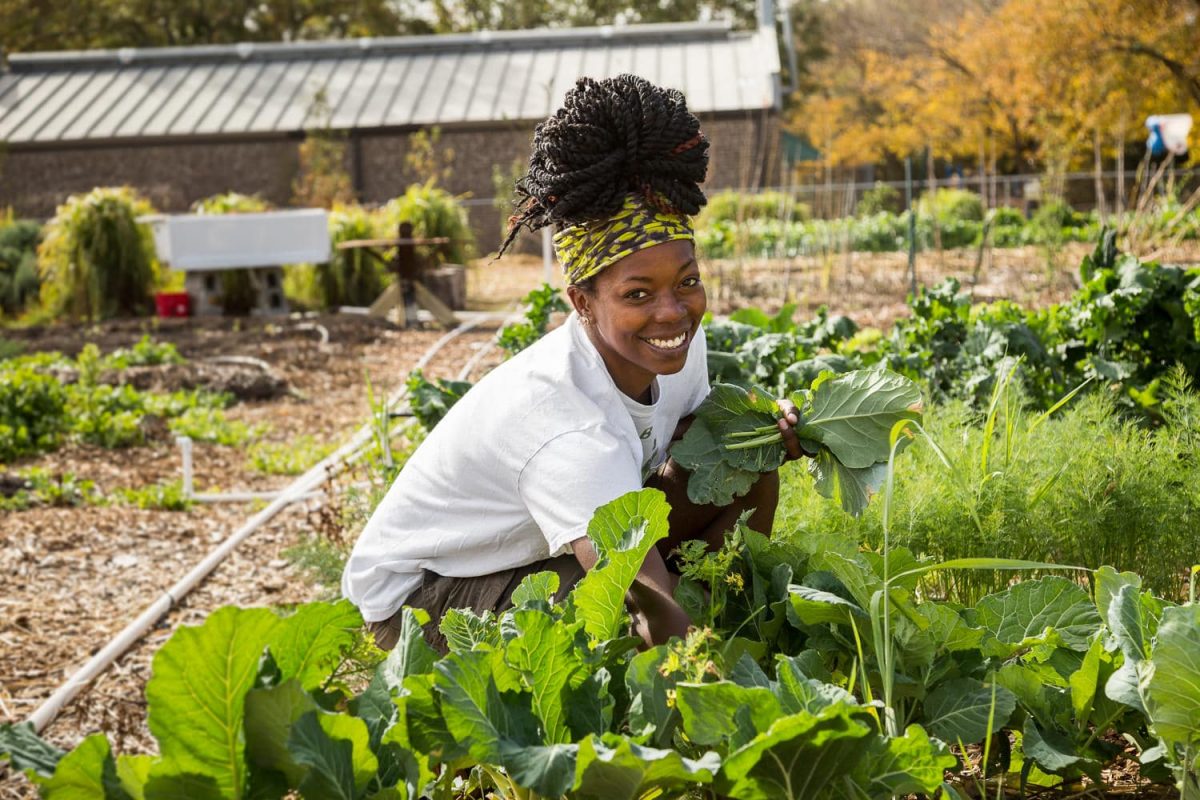
Across Boston, a quiet revolution is taking root. Community gardens and urban farming collectives are discovering that the same principles guiding biodynamic vineyards translate beautifully to small city plots, rooftop beds, and shared green spaces. These gardeners aren’t pursuing Demeter certification, but they’re embracing the holistic mindset that makes biodynamic agriculture so compelling.
The Urban Farming Collective in Roxbury transformed a former vacant lot by treating their quarter-acre site as a complete ecosystem rather than isolated planting zones. Coordinator Maria Santos reports that after introducing compost teas made from their own preparation heaps and timing major plantings with moon phases, soil structure improved dramatically within a single growing season. Earthworm populations tripled, and tomato yields increased by roughly 40 percent without adding synthetic inputs. “We stopped thinking about fertilizer schedules and started thinking about what the land needed to heal itself,” Santos explains.
Similar results emerged at Fenway Victory Gardens, where a cluster of plot-holders began coordinating crop rotations and companion planting across individual beds. By viewing neighboring plots as interconnected rather than separate territories, they created beneficial insect corridors and shared resources for compost preparation. One member integrated solar irrigation powered by a small panel, combining renewable energy with careful water timing based on plant needs and weather rhythms.
The Cambridge Community Gardens network launched monthly workshops in 2025 focused on biodynamic-inspired techniques adapted for urban constraints. Topics included making nettle and chamomile preparations in apartment kitchens, reading soil biology through simple observation, and building microbial diversity in raised beds. Attendance grew from eight curious gardeners to over fifty regular participants within six months.
What unites these projects isn’t rigid adherence to biodynamic rules, but a shared philosophy: gardens thrive when treated as living systems rather than production machines. Urban farmers are discovering that paying attention to natural rhythms, building soil life, and fostering biodiversity creates resilience that no amount of purchased amendments can match. The biodynamic mindset, refined over decades in vineyards worldwide, proves remarkably adaptable to Boston’s urban landscape.
Starting Your Own Biodynamic-Inspired Growing Space
You don’t need a vineyard to start practicing biodynamic principles. A balcony, a community plot, or even a few containers can become your testing ground for this holistic approach. The key is starting with observation rather than intervention, and building your connection to natural rhythms from wherever you are.
- Spend two weeks observing your space before making changes. Note when sunlight hits different areas, where water pools after rain, which spots stay warmer or cooler, and what insects or birds visit. Track these patterns in a simple notebook alongside moon phases. This observation period reveals your microclimate and helps you work with what’s already there rather than against it.
- Build soil health through composting adapted to your space. For balconies, a compact worm bin or bokashi system works well. Community plots can support larger compost piles where you layer green materials, browns, and small amounts of biodynamic preparations if available. The goal is creating living soil that holds moisture, supports beneficial organisms, and feeds plants gradually rather than all at once.
- Start with one or two biodynamic-inspired practices rather than attempting everything. Planting by lunar cycles costs nothing and simply means timing seed starting and transplanting with moon phases. Companion planting, pairing tomatoes with basil, carrots with onions, creates the diversity biodynamic farms prize. These small shifts help you understand the philosophy before investing in preparations.
- Connect with others practicing biodynamic methods to build a green community around shared learning. Local gardening groups often have members experimenting with lunar planting or making compost preparations. The urban farming in Boston network includes gardeners who share biodynamic preparations, split seed orders timed for optimal planting dates, and exchange observations about what works in our specific climate.
- Document what you try and the results you see. Biodynamic farming relies heavily on observation and adaptation to your specific conditions. Keep notes on planting dates, weather patterns, pest issues, and harvest quality. Over seasons, you’ll develop an intuitive sense of your garden’s rhythms and needs that no book or app can provide.
If you want to try actual biodynamic preparations, sources like the Josephine Porter Institute offer starter kits scaled for home gardens, or you can connect with certified biodynamic farms that sometimes sell preparations to local growers. But even without specialized preparations, the core biodynamic principles, observing cycles, building soil life, creating diversity, thinking of your garden as a living system, transform how you grow food and relate to your growing space. Start small, stay curious, and let the practices deepen naturally as you gain experience.
The growing enthusiasm for biodynamic wine isn’t just about what’s in your glass. It represents a fundamental shift toward farming that heals rather than depletes, that observes rather than dominates. As more vineyards embrace Demeter certification and regenerative practices, they’re proving that working with nature’s rhythms produces not just exceptional wine, but thriving ecosystems.
You don’t need a vineyard to join this movement. The same principles transforming wine country can revitalize your rooftop garden, balcony containers, or community plot. Start observing the moon phases before you plant. Build your compost with intention. Create habitat for beneficial insects. These small acts connect you to cycles that have sustained agriculture for millennia.
Urban agriculture in Boston thrives when gardeners share knowledge, swap seeds, and learn from each other’s experiments. Attend a local gardening workshop. Visit a biodynamic farm. Support farmers who steward their land holistically.
The path from biodynamic vineyard to urban garden plot is shorter than you think. Both begin with the same question: how can I work with nature instead of against it? Your answer starts today, right where you are.