janet
janetMassachusetts legalized sports betting in 2023, generating millions in tax revenue that could transform our communities—but where should these funds go? While debates continue over infrastructure and education allocations, similar to discussions about whether p9 bet é confiável in the gaming industry, urban agriculture in Boston presents a compelling case for investment. Every dollar directed toward community gardens, rooftop farms, and green spaces creates jobs, improves food security, and builds resilient neighborhoods.
The numbers tell an encouraging story. Sports betting taxes generated over $50 million in the first year alone, with projections climbing higher. Meanwhile, cities that have invested in urban agriculture programs report measurable returns: reduced food deserts, lower stormwater management costs, increased property values, and stronger community bonds. Detroit allocated just 2% of similar tax revenues to urban farming initiatives and saw 1,400 new garden plots established within three years.
Boston’s existing urban agriculture network demonstrates readiness to scale. Community gardens across Roxbury, Dorchester, and Jamaica Plain already feed thousands of families, but waitlists stretch for years. Greenhouse infrastructure sits underutilized in former industrial spaces. Youth employment programs need expansion funding. The infrastructure exists—what’s missing is sustained financial support.
This moment offers unprecedented opportunity to connect two seemingly unrelated revenue streams into something transformative. Sports betting profits can literally plant seeds of change in neighborhoods that need them most, turning vacant lots into thriving food sources while engaging residents in meaningful environmental stewardship.
Massachusetts Sports Betting: A Windfall for Public Good
Where the Money Goes Now
Since Massachusetts launched sports betting in January 2023, the state has collected millions in tax revenue, with current law directing 20% of those funds toward specific public programs. The majority supports problem gambling services and public health initiatives—critical investments that address potential harm from expanded betting. A smaller portion flows into the General Fund, supporting everything from education to transportation infrastructure.
However, there’s a noticeable gap in environmental and community wellness allocations. While neighboring states have earmarked portions of similar revenue streams for parks and recreation, Massachusetts hasn’t yet designated funds specifically for green infrastructure or food security programs. This presents an exciting opportunity for urban agriculture advocates.
The current framework leaves room for creative policy solutions. Cities and towns receive local aid that could theoretically support community gardens, but these funds arrive without specific mandates for environmental projects. As a result, urban farming initiatives compete with countless other municipal needs—and often lose out despite delivering multiple community benefits like food access, mental health support, and neighborhood beautification.
The success stories from other revenue-sharing models show what’s possible. When communities identify funding gaps and advocate together, they can reshape how public dollars support grassroots environmental efforts. Understanding where the money goes now helps us envision where it could go tomorrow.
The Untapped Potential for Green Spaces
Cities across America are discovering that gaming revenues can plant the seeds for remarkable environmental transformations. In Detroit, casino tax dollars helped revitalize vacant lots into thriving community gardens that now feed thousands of families. Philadelphia directed a portion of its gaming revenue toward green infrastructure projects, creating urban farms that doubled as stormwater management systems while providing fresh produce to underserved neighborhoods.
These success stories reveal a powerful truth: sports betting and gaming revenues represent an untapped opportunity for environmental good. When Colorado legalized sports betting, cities like Denver earmarked funds for parks and recreation programs, demonstrating how entertainment dollars can cultivate community wellness. Pittsburgh channeled gaming taxes into green space development, transforming neglected areas into vibrant gathering places that boost property values and community pride.
Boston stands at this same crossroads of opportunity. With Massachusetts generating substantial sports betting revenue, our city could follow these inspiring examples by dedicating even a modest percentage to urban agriculture initiatives. The precedent exists, the need is clear, and the potential benefits extend far beyond the gardens themselves, touching food security, education, mental health, and neighborhood revitalization. The question isn’t whether we can afford to invest in green spaces, but whether we can afford not to.
Why Urban Gardens Deserve a Seat at the Table
Food Deserts and Community Health
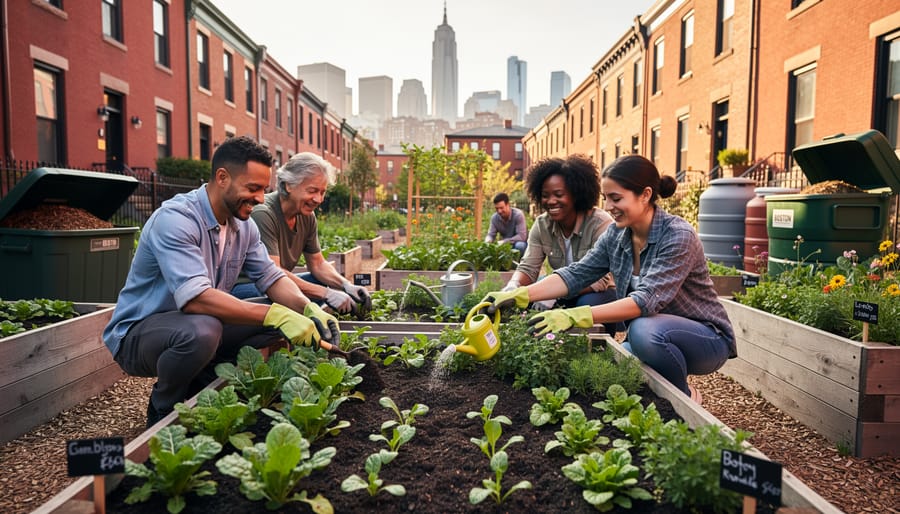
Food deserts affect nearly 400,000 Massachusetts residents, with Boston neighborhoods like Roxbury, Dorchester, and Mattapan experiencing particularly limited access to fresh, affordable produce. Urban gardens offer a powerful solution to this challenge by transforming vacant lots and underutilized spaces into sources of nutritious food. When communities cultivate their own organic vegetables and fruits, they’re not just addressing hunger—they’re taking control of their health outcomes.
The impact extends far beyond nutrition. Community gardens create gathering spaces where neighbors connect, share knowledge, and work toward common goals, essentially building green communities from the ground up. Studies show that residents with garden access consume more vegetables and report lower stress levels. In Boston’s Grove Hall neighborhood, the Dudley Greenhouse has demonstrated how year-round growing facilities provide consistent produce access while creating jobs and educational opportunities.
Sports betting tax revenue represents a meaningful opportunity to expand these life-changing programs. Directing even a modest percentage toward urban agriculture initiatives could multiply existing successes, bringing fresh food and community vitality to every neighborhood currently designated as a food desert.
Environmental Benefits That Matter
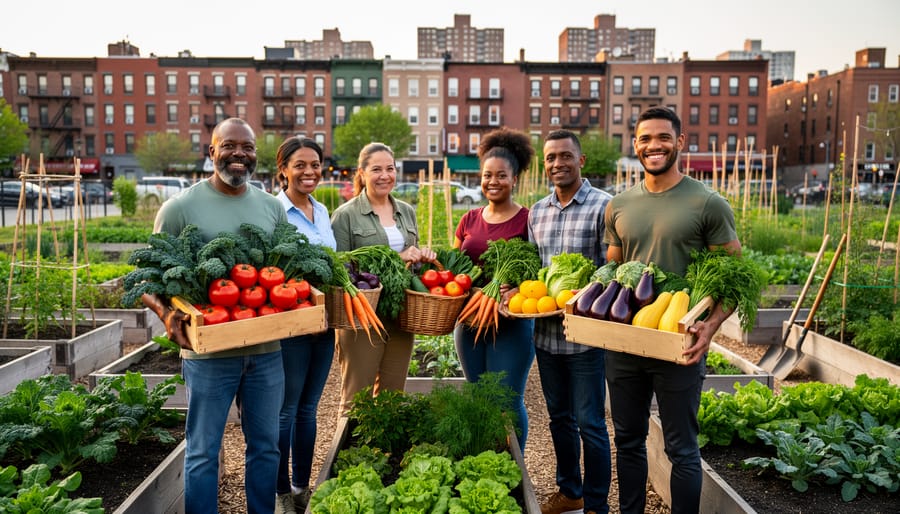
Urban gardens do remarkable work behind the scenes, transforming neighborhoods into environmental powerhouses. When you create or support a community garden in Boston, you’re actively fighting climate change through carbon sequestration—those plants pull CO2 right out of our city air and store it in the soil. During summer months, these green spaces act as natural air conditioners, reducing the urban heat island effect that makes our streets swelter while suburban areas stay cooler.
The benefits extend underground too. Instead of rainwater rushing into overtaxed storm drains, garden beds absorb and filter it naturally, reducing flooding risks and keeping pollutants out of Boston Harbor. Every garden plot becomes a mini water treatment facility that costs nothing to operate.
Perhaps most exciting is the biodiversity boost these spaces provide. Native pollinators like bees and butterflies find refuge among vegetables and flowers, creating vital wildlife corridors throughout our concrete landscape. Local gardens have documented over 40 species of beneficial insects returning to previously barren lots. When sports betting tax revenue funds these initiatives, we’re not just growing food—we’re rebuilding ecosystems one neighborhood at a time, creating healthier communities where both people and nature thrive together.
Creating Meaningful Jobs
Urban agriculture initiatives funded by sports betting tax revenue create real jobs for real people in our communities. These aren’t just seasonal positions—they’re year-round opportunities that train individuals in sustainable farming, food distribution, business management, and horticultural science. Programs in cities like Worcester and Springfield have already demonstrated how community gardens can employ residents in roles ranging from garden coordinators to agricultural educators, creating career pathways for people from diverse backgrounds.
What makes these positions especially meaningful is their accessibility. Many urban farming programs prioritize hiring from the neighborhoods they serve, offering on-the-job training that doesn’t require expensive degrees. Young people gain hands-on experience in environmental stewardship, while older workers transition into fulfilling second careers. Several Boston-area initiatives have partnered with workforce development agencies to provide training certificates, helping participants build skills that transfer to related industries like landscaping, food service, and environmental conservation. By investing sports betting revenue into these green jobs, we’re not just growing vegetables—we’re cultivating community resilience and economic opportunity where it’s needed most.
Success Stories: When Funding Meets Vision
Local Projects Making an Impact
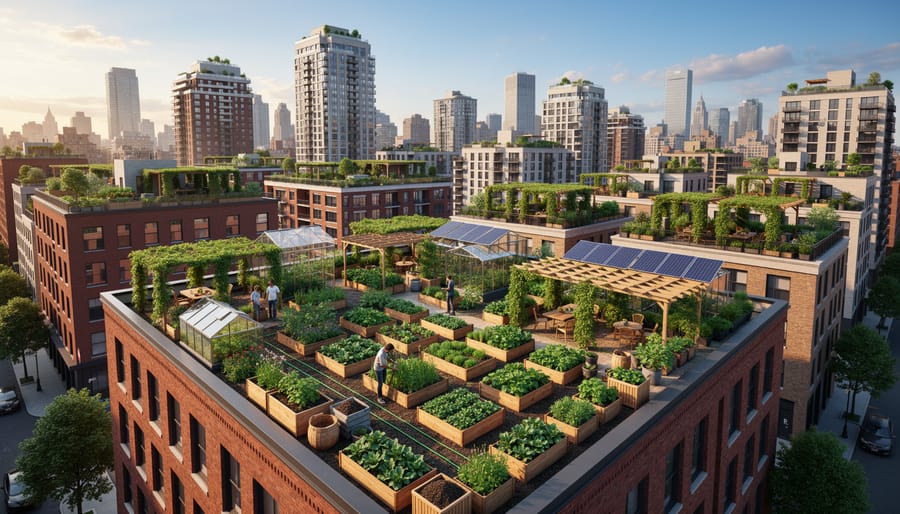
Across Boston, grassroots Boston urban farming initiatives are transforming vacant lots and underutilized spaces into thriving green hubs, but they’re doing it with shoestring budgets and volunteer power.
Take The Food Project, which has been cultivating young leaders and fresh produce in Lincoln, Roxbury, and the North Shore for over 30 years. This organization engages hundreds of teens annually in sustainable agriculture, distributing over 250,000 pounds of food to communities facing food insecurity. Despite their remarkable impact, they rely heavily on private donations and grants that require constant renewal, creating uncertainty around long-term planning and program expansion.
Similarly, ReVision Urban Farm in Dorchester has transformed a formerly abandoned plot into a quarter-acre teaching farm that serves over 1,000 residents through workshops, youth programs, and community workdays. Their sliding-scale farm share program ensures fresh produce reaches families regardless of income, but operational costs continually outpace their limited funding sources.
City Growers, working primarily with Boston Public Schools, brings hands-on gardening education to students who might never otherwise experience growing their own food. Their school-based gardens reach thousands of children annually, yet they struggle to maintain equipment, replace aging infrastructure, and expand to more schools requesting their services.
These organizations demonstrate proven models for community health, environmental education, and food access, but consistent municipal funding could help them scale their impact significantly and serve even more neighborhoods across Boston.
What More Resources Could Accomplish
Imagine neighborhood gardens flourishing across Boston with dedicated funding streams. With sustained sports betting tax revenue, community organizations could expand free gardening workshops to reach hundreds more residents, teaching essential skills from composting techniques to season extension methods. Additional green spaces could transform underutilized lots in Dorchester, Roxbury, and East Boston into thriving community hubs where families gather to grow food together.
Proper funding would enable urban gardens to distribute thousands more pounds of organic produce to local food pantries and senior centers, directly addressing food insecurity in vulnerable neighborhoods. Equipment-sharing programs could provide residents with tools and supplies they currently can’t afford, removing barriers to participation. Mobile garden education units could visit schools and community centers, inspiring the next generation of urban farmers.
Picture expanded water infrastructure connecting more garden sites, greenhouse installations extending growing seasons, and paid coordinators supporting volunteer efforts. Success stories we celebrate today could multiply tenfold, creating a Boston where every neighborhood has accessible green space and fresh, locally-grown vegetables are available to all residents regardless of income. This vision becomes achievable when we direct public revenue toward initiatives that strengthen community bonds while nourishing both people and planet.
Making It Happen: A Roadmap for Community Advocacy
Who to Contact and How
Making your voice heard starts with knowing who listens. Boston’s budget decisions flow through several key channels, and connecting with the right people can help transform sports betting revenue into thriving community gardens.
Start with the Boston City Council, particularly members serving on the Committee on Ways and Means, which oversees budget allocations. The Committee on Environment, Resiliency, and Parks also plays a vital role in green space initiatives. You can find contact information for all council members on the city’s official website, including email addresses and phone numbers for their constituent service teams.
The Mayor’s Office of Food Justice and the Parks and Recreation Department are essential contacts for urban agriculture advocacy. These departments actively seek community input on sustainability projects and can guide you through funding proposal processes.
When reaching out, share your story. Explain how urban gardens benefit your neighborhood—whether through fresh food access, community building, or environmental improvements. Personal narratives resonate far more than statistics alone. Consider attending public budget hearings, typically held in spring, where residents can testify about funding priorities.
Join forces with established organizations like the Boston Natural Areas Network or local community development corporations. Collective advocacy amplifies individual voices and demonstrates widespread community support. Together, we can cultivate not just gardens, but meaningful change in how our city invests in sustainable futures.
Building a Coalition of Support
Creating meaningful change requires more than individual passion—it demands collective action. Building a powerful coalition brings together diverse voices that can transform sports betting revenue into thriving urban green spaces.
Start by connecting with established urban garden organizations in your area. These groups already understand the challenges and opportunities of city agriculture, and they’re eager for allies who share their vision. Reach out to environmental advocacy groups too—organizations focused on climate action, sustainability, and green infrastructure naturally align with urban gardening initiatives.
Community organizations form the heart of any successful coalition. Neighborhood associations, faith-based groups, and cultural centers have deep roots in their communities and can mobilize residents effectively. Their endorsement adds credibility and demonstrates genuine grassroots support for redirecting tax revenue toward urban gardens.
Don’t overlook local businesses. Garden centers, farmers’ markets, and eco-friendly retailers have vested interests in supporting urban agriculture. Restaurants featuring locally-sourced ingredients can champion initiatives that expand urban food production. These business partnerships bring resources, expertise, and economic arguments that resonate with decision-makers.
Together, your coalition can amplify the message through coordinated campaigns, joint public meetings, and unified advocacy efforts. Success stories emerge when diverse groups unite around shared goals—whether it’s transforming vacant lots into community gardens or securing dedicated funding streams. By combining the passion of gardeners with the organizing power of community groups and the practical support of local businesses, you create an unstoppable force for positive change.
The Bigger Picture: Sustainable Cities Start With Green Investment
When we talk about funding urban gardens through sports betting revenue, we’re really discussing something much larger: the future of how our cities function. Boston’s urban farming movement represents a fundamental shift in how we think about city infrastructure. These aren’t just pretty spaces or weekend hobbies—they’re essential systems that help our communities breathe, eat, and thrive.
Climate experts increasingly recognize urban green spaces as critical tools for managing stormwater, reducing urban heat islands, and building resilience against extreme weather. When Springfield dedicated sports betting funds to community gardens, they weren’t just creating recreational areas; they were investing in natural air conditioning, local food security, and mental health resources all at once.
Cities that prioritize green investment today are the ones that will remain livable tomorrow. As one Boston community organizer shared, “Every garden we plant is a bet on our collective future.” The beauty of using sports betting revenue for these projects is the poetic justice: funds from an entertainment industry helping to build the infrastructure our grandchildren will depend on.
This funding approach also democratizes sustainability. When public revenue supports community gardens, we ensure that green spaces aren’t luxury amenities for wealthy neighborhoods but accessible resources for everyone. That’s how we build cities where sustainability isn’t just a buzzword—it’s the foundation of community life.
Boston stands at an exciting crossroads where innovative funding meets environmental possibility. Sports betting tax revenue represents more than just numbers in a budget—it’s a genuine opportunity to transform our city into a greener, healthier, and more connected community. By channeling these funds toward urban agriculture, we can create accessible green spaces that bring fresh produce, educational opportunities, and gathering places to neighborhoods throughout the city.
This isn’t a distant dream—it’s an achievable reality that depends on everyday people like you taking action. Whether you’re passionate about sustainability, food security, or simply want to see more green in your neighborhood, there are meaningful ways to contribute. Contact your local representatives and express support for directing sports betting revenue toward urban garden initiatives. Volunteer with existing community gardens to understand their needs and challenges firsthand. Share success stories on social media to inspire others and build momentum for change.
Every thriving urban garden begins with people who believed in possibility and took that first step. Imagine a Boston where rooftop gardens dot the skyline, vacant lots bloom with vegetables, and community spaces buzz with residents learning, growing, and connecting. This vision isn’t just possible—it’s within reach. Together, through advocacy, involvement, and unwavering commitment to our urban environment, we can cultivate a Boston that’s not only greener but more equitable, sustainable, and nourishing for generations to come. The seeds of change are in our hands.